Can Bad Shoes Cause Back Pain? The Foot Connection Explained
Understanding the Connection Between Footwear and Back Pain
At Prime Foot Clinic located in Ramsbottom, we often see patients who are puzzled by the causes of their back pain. One significant, yet frequently overlooked factor could be the shoes you wear. Can bad shoes cause back pain? The answer lies in the intricate relationship between your feet and spine.
What Causes Back Pain from Bad Shoes?
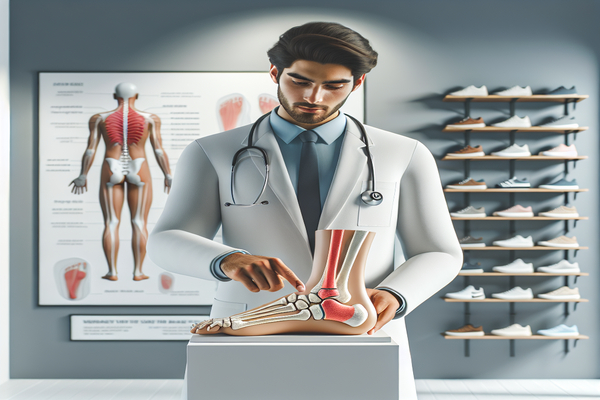
Inappropriate footwear can contribute to a myriad of foot problems such as plantar fasciitis, bunions, and flat feet, which may indirectly cause or exacerbate back pain. The body functions as a kinetic chain; when one part suffers, it can affect others. Here’s how:
- Improper Support: Shoes lacking arch support may lead to overpronation or supination, affecting body alignment.
- Altered Gait: Wearing shoes that are too tight or too loose can change your walking style, placing undue stress on the lower back.
- Impact on Posture: Poorly designed shoes may cause misalignment, resulting in muscle strain in the back.
How Do Foot Conditions Affect Back Pain?
A variety of foot conditions can arise from improper footwear, and each can have serious repercussions for your back.
- Plantar Fasciitis: This condition involves inflammation of the plantar fascia and can lead to compensatory movements that strain the back.
- Flat Feet: Without proper arch support, flat feet can increase the risk of postural imbalance, causing chronic back discomfort.
- Bunions: Bunions can alter foot mechanics and can contribute to a shift in body weight, affecting spinal alignment and leading to back pain.
What Types of Shoes Should You Avoid?
To minimize the risk of back pain, avoid the following shoe types:
- High Heels: They shift weight forward, putting immense pressure on the back.
- Flip-Flops: Lacking arch support, they can lead to instability and poor posture.
- Old or Worn-Out Shoes: Overused shoes lose cushioning and support, impacting your posture over time.
How Can I Treat Back Pain Caused by Footwear?
Correcting footwear-related back pain involves a multi-faceted approach:
- Foot Assessment: Schedule a consultation at Prime Foot Clinic for a comprehensive foot assessment to identify specific issues.
- Orthotics: Custom orthotic inserts can provide much-needed support and correct foot alignment.
- Physical Therapy: Engage in exercises that strengthen core and back muscles to improve posture.
When Should I Consult a Podiatrist?
If you experience persistent back pain along with foot discomfort, or if altering footwear does not alleviate symptoms, it is crucial to seek professional advice. Consult a podiatrist at Prime Foot Clinic in Prestwich for tailored recommendations based on your specific condition.
Conclusion
In summary, bad shoes can significantly impact your overall musculoskeletal health, contributing to back pain through various foot-related conditions. By understanding this connection, you can make informed choices about your footwear to enhance your comfort and health. For an assessment of your foot health and to explore effective treatment options, visit Prime Foot Clinic in Denton. Book your appointment today and take the first step toward a pain-free future.
FAQ
1. Can wearing shoes all day lead to back pain?
Yes, wearing shoes that lack support or cushioning can lead to misalignment and an increased risk of back pain.
2. What are the best types of shoes for back pain?
Look for shoes with proper arch support, cushioning, and stability. Brands that focus on orthopedic design are preferred.
3. How does custom orthotics help with back pain?
Custom orthotics help in realigning your foot and ankle, improving posture, and reducing stress on your back.
4. Are there specific exercises to relieve back pain related to footwear?
Exercises that strengthen your core and stretch your hamstrings and calves are particularly effective.
5. Can I prevent back pain just by changing my shoes?
Changing to appropriate footwear is a crucial step, but a comprehensive approach including exercise and possibly physical therapy is often necessary.