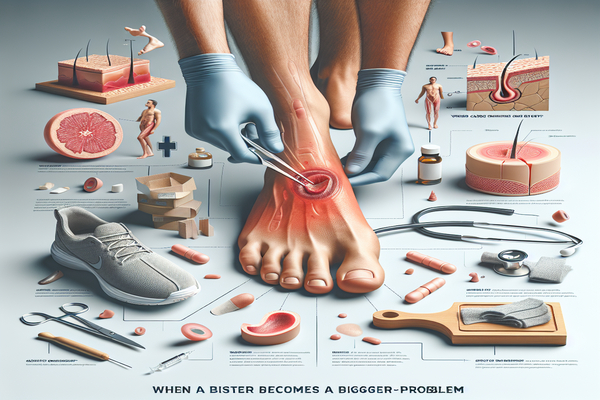
When a Blister Becomes a Bigger Problem: Wound Care Explained
Understanding Blisters
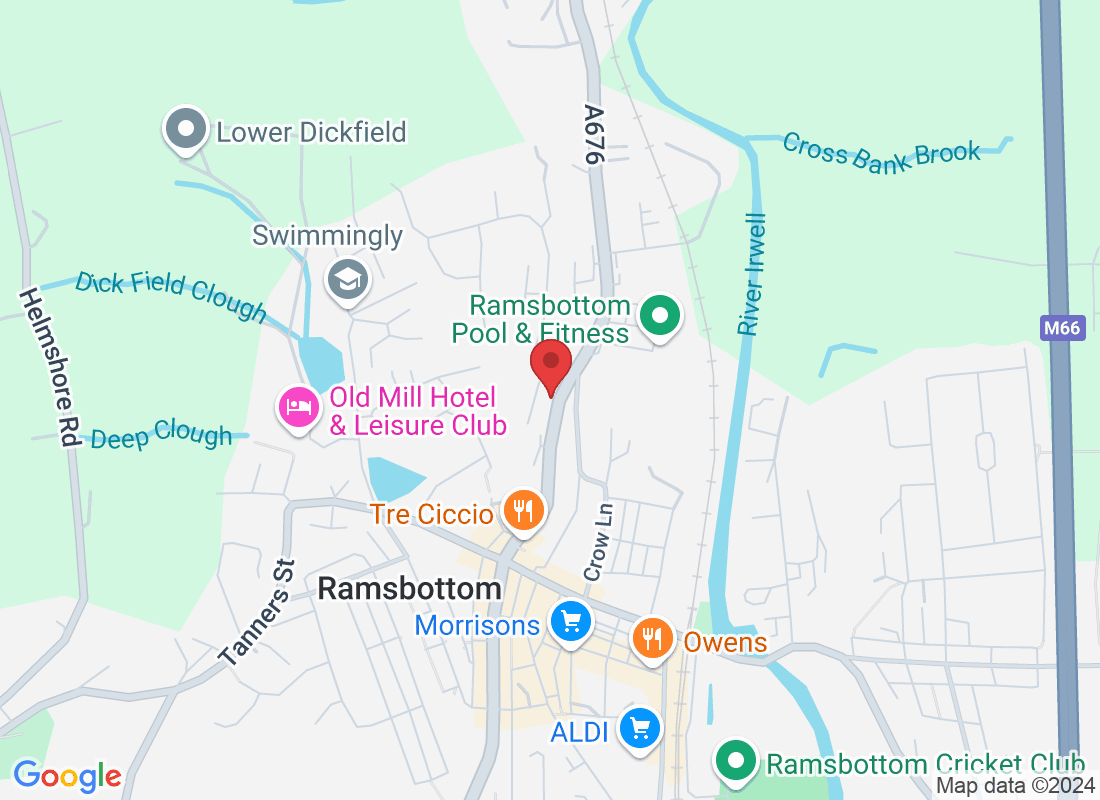
At Prime Foot Clinic, serving Ramsbottom, Prestwich, and Denton, we often see patients dealing with blisters. While many people consider them a minor annoyance, blisters can lead to more significant problems if not properly cared for. In this article, we will discuss what causes blisters, how to treat them effectively, and when to seek medical attention.
What Causes Blisters?
Blisters are small pockets of fluid that form between the layers of skin. They can develop due to:
- Friction: Continuous rubbing from footwear or equipment can generate heat, leading to blister formation.
- Burns: Contact with hot substances, sunburn, or chemical burns can all cause blisters.
- Medical Conditions: Conditions like eczema, chickenpox, or autoimmune diseases can also lead to blistering.
How Can I Treat a Blister at Home?
Most blisters heal on their own without the need for medical intervention. Here are effective home treatment methods:
- Keep it Clean: Wash the area gently with soap and water.
- Cover the Blister: Use a sterile bandage to protect it from further irritation.
- Avoid Popping: Let the blister heal naturally; popping can lead to infection.
- Use Antibiotic Ointment: If the blister breaks, apply a topical antibiotic to prevent infection.
- Monitor for Signs of Infection: Look out for increased redness, swelling, or pus.
When Should I See a Podiatrist?
If a blister doesn’t improve with home care or if you notice signs of infection, it’s essential to seek medical attention. You should also consult a podiatrist if:
- The blister becomes increasingly painful.
- You notice redness or warmth around the area.
- The blister shows no signs of healing after a week.
- You have underlying health conditions, such as diabetes, that could complicate healing.
The Importance of Proper Wound Care
Proper wound care is critical in managing blisters and preventing complications. At Prime Foot Clinic, we prioritize a proactive approach to foot health.
What Are Common Wound Care Practices?
Effective wound care encompasses several key practices:
- Assessment: Regularly evaluate the wound for size, appearance, and any signs of infection.
- Cleansing: Clean the area with saline or antiseptic solutions to promote healing and minimize infection risk.
- Dressing: Use appropriate dressings based on the blister's stage, ensuring they remain dry and secure.
- Observation: Keep an eye on changes that could signify a problem, such as increased discomfort or leaking fluid.
How Can I Prevent Blisters?
While it’s not always possible to prevent blisters, certain strategies can significantly reduce your risk:
- Choose Appropriate Footwear: Ensure shoes fit well and provide adequate cushioning.
- Utilize Moisture-Wicking Socks: These can help absorb sweat and reduce friction.
- Use Protective Padding: Use blister pads or moleskin in areas prone to friction.
Frequently Asked Questions
1. Can I drain a blister myself?
It’s generally best to avoid draining a blister. If you must, use a sterile needle and ensure to clean the area afterward to prevent infection.
2. How long do blisters typically take to heal?
Most blisters heal within a few days to a week, depending on the severity and care provided.
3. Are blisters contagious?
No, blisters themselves are not contagious. However, underlying conditions like chickenpox may be.
4. What should I do if my blister bursts on its own?
If a blister breaks, clean it immediately, apply an antibiotic ointment, and cover it with a sterile dressing.
5. Can repeated blisters be a sign of a more serious problem?
Repeated blistering, especially in the same area, may indicate underlying issues such as eczema or friction-related conditions. Consulting a podiatrist is advisable.
Conclusion
Understanding the proper care for blisters can prevent them from becoming bigger problems. At Prime Foot Clinic, located in Ramsbottom, Prestwich, and Denton, we’re dedicated to ensuring your foot health is our top priority. If you're experiencing persistent blisters or have questions about foot care, book an appointment today to receive expert care and advice.