
Is It a Bunion? Early Signs You Shouldn’t Ignore
Understanding Bunions: What You Need to Know
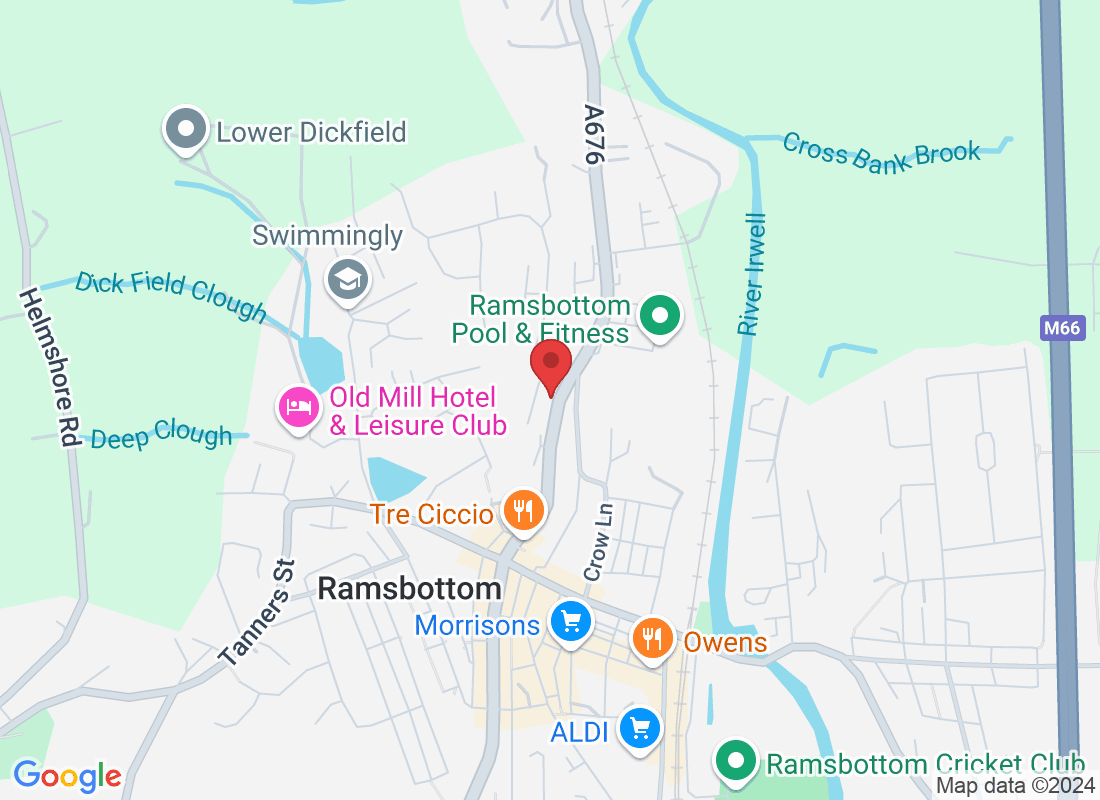
At Prime Foot Clinic, located in Ramsbottom, Prestwich, and Denton, we frequently encounter patients puzzled by foot discomfort. One common concern is bunions, a condition that affects many individuals, particularly as they age. This blog post aims to equip you with valuable insights on the early signs of bunions and why you shouldn't ignore them.
What is a Bunion?
A bunion, medically referred to as hallux valgus, is a bony bump that forms at the base of the big toe. This deformity occurs when the first metatarsal bone angles outward while the big toe bends inward, causing a misalignment. While bunions are more common in women, they can affect anyone.
What Causes Bunions?
The development of bunions can be attributed to several factors:
- Genetics: A family history of bunions can increase your risk. Structural problems in the foot can be inherited.
- Footwear: Wearing tight, ill-fitting shoes can exacerbate the formation of bunions. High heels and pointed toes are particularly problematic.
- Foot Conditions: Certain conditions such as arthritis, flat feet, and inflammatory joint diseases may contribute to bunion formation.
- Biomechanical Issues: Abnormal foot mechanics, including high arches or excess pronation, can lead to bunion development.
Early Signs of a Bunion: What Should You Look For?
Recognizing the early signs of bunions can lead to timely intervention.
- Visible Bump: A noticeable bump at the base of the big toe.
- Toe Misalignment: The big toe may veer toward the second toe, affecting the alignment of your toes.
- Pain and Discomfort: Pain in the affected area, especially during movement or when wearing shoes, can indicate a developing bunion.
- Swelling and Redness: Inflammation around the bunion can lead to swelling and tenderness.
- Hard Skin: Calluses may form on the bunion due to pressure and friction from shoes.
How Can I Treat Bunions?
Early intervention is essential for managing bunions effectively. Treatment options may vary based on severity:
- Footwear Changes: Opt for well-fitting, supportive shoes with a wide toe box to alleviate pressure on the bunion.
- Orthotics: Custom foot orthotics can help correct biomechanical issues, providing support and alleviating pain.
- Padding and Taping: Bunion pads can cushion the affected area, and taping can help realign the toe.
- Medications: Over-the-counter anti-inflammatory medications can relieve pain and reduce swelling.
- Surgery: In severe cases, surgical intervention (bunionectomy) may be necessary to correct the misalignment and relieve pain.
Preventing Bunions: Lifestyle Adjustments
Aside from treatment, preventive measures can help you avoid bunions:
- Choose shoes wisely, ensuring they provide ample room and support.
- Avoid high heels and narrow shoes that strain your toes.
- Maintain a healthy weight to reduce pressure on your feet.
- Engage in exercises to strengthen foot muscles.
Frequently Asked Questions (FAQ)
1. Are bunions painful?
Yes, bunions can be painful, particularly during activities or when wearing tight shoes. The pain may vary from mild discomfort to severe pain in advanced cases.
2. Can bunions be treated without surgery?
Yes, many non-surgical options exist, including footwear changes, orthotics, and physical therapy, which can alleviate pain and slow progression.
3. How can I tell if I have a bunion or another foot condition?
If you notice a bump at the base of your big toe along with pain or swelling, it may be a bunion. A podiatrist can provide a proper diagnosis.
4. Is it safe to ignore early symptoms of a bunion?
Ignoring early symptoms can lead to progression of the condition. Early intervention often results in better outcomes.
5. When should I see a podiatrist for my bunion?
You should see a podiatrist when you experience persistent pain, swelling, or difficulty finding comfortable footwear.
Conclusion
Bunions are a common foot condition that should not be overlooked. At Prime Foot Clinic in Ramsbottom, Prestwich, and Denton, we specialize in diagnosing and treating bunions and other foot-related issues. If you notice signs of a bunion, we encourage you to seek advice and treatment promptly.
For further assistance or to schedule a consultation, please visit our booking page to secure your appointment today.