Can Bunions Be Treated Without Surgery? Ramsbottom Says Yes
Can Bunions Be Treated Without Surgery? Ramsbottom Says Yes
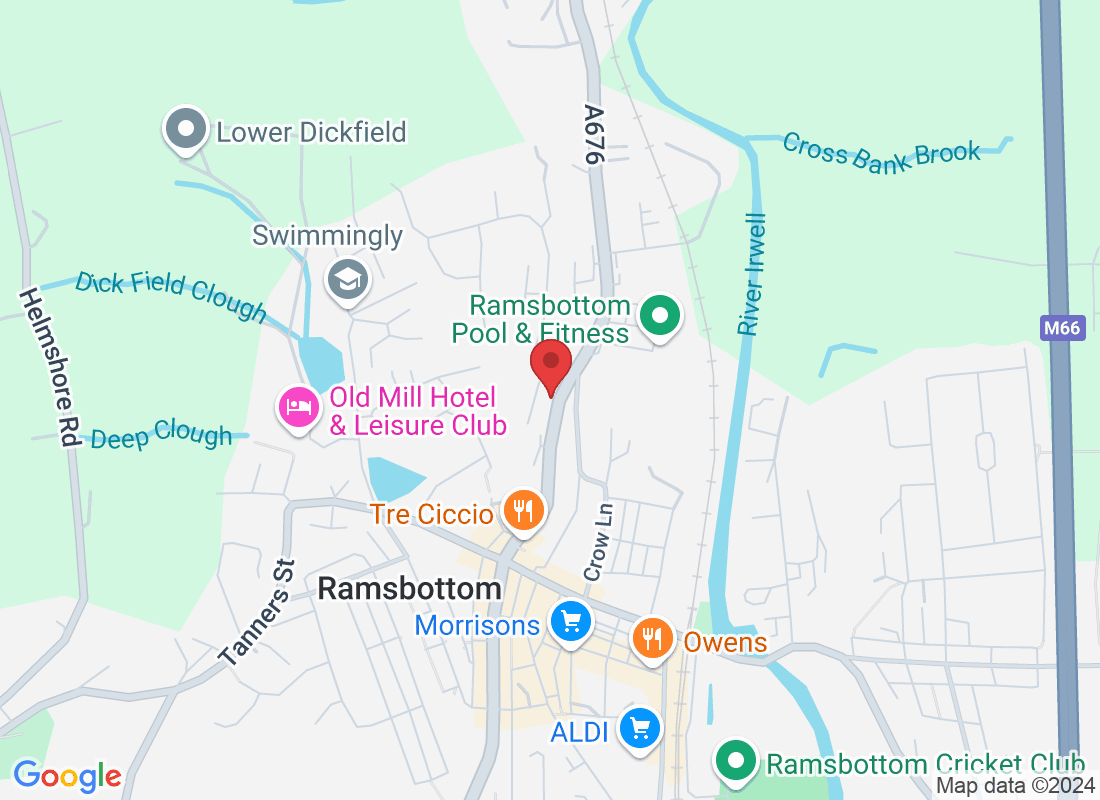
At Prime Foot Clinic, located in Ramsbottom, we understand that bunions can significantly impact your daily activities and overall foot health. While surgery is often considered the last resort for bunion treatment, we believe it’s possible to manage and alleviate bunion symptoms with non-surgical interventions. In this article, we will explore effective non-surgical treatment options for bunions, their benefits, and how to address this common foot condition.
What Causes Bunions?
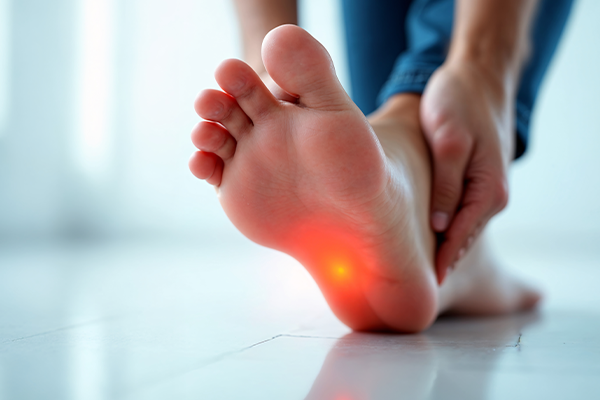
A bunion, or hallux valgus, is a structural deformity characterized by a bony bump at the base of the big toe. This condition can develop due to various factors including:
- Genetics: A family history of bunions can increase your risk.
- Footwear: Tight, narrow shoes can exacerbate the development of bunions.
- Foot Biomechanics: Abnormal foot structure or biomechanics can lead to excessive pressure on the big toe.
- Medical Conditions: Conditions like arthritis can contribute to bunion formation.
How Can I Treat Bunions Without Surgery?
There are several non-surgical treatment options available for managing bunions. At Prime Foot Clinic in Ramsbottom, we recommend a combination of the following approaches:
1. Footwear Modifications
Wearing shoes that provide enough space for your toes can reduce pressure on the bunion. Look for:
- Comfortable, well-fitting shoes with a wide toe box.
- Low-heeled shoes to minimize stress on the foot.
- Orthotic-friendly footwear that accommodates custom insoles.
2. Orthotic Devices
Custom orthotics can help correct foot positioning and alleviate pressure on the bunion. These devices may include:
- Toe spacers: To realign the toe gradually.
- Arch supports: To improve foot mechanics and reduce discomfort.
- Gel pads or bunion cushions: To provide additional cushioning and pain relief.
3. Physical Therapy
Physical therapy exercises can improve the strength and flexibility of the foot. Key exercises may include:
- Toe stretches: To improve flexibility and decrease tension in the foot.
- Strengthening exercises: To build the muscles that support proper foot alignment.
- Balance exercises: To enhance stability and foot coordination.
4. Anti-inflammatory Treatments
Over-the-counter anti-inflammatory medications, such as ibuprofen or naproxen, can help alleviate pain and reduce swelling. Always consult with a healthcare professional before starting any medication.
5. Ice Application
Applying ice packs to the bunion for 15-20 minutes can help reduce inflammation and discomfort. Make sure to wrap the ice pack in a cloth to avoid direct skin contact.
When Should I Consider Surgery?
If non-surgical treatments fail to alleviate your symptoms and the bunion significantly impacts your quality of life, it may be time to discuss surgical options with a podiatrist. At Prime Foot Clinic in Ramsbottom, our practitioners can help evaluate your condition and determine the best course of action tailored to your needs.
Preventing Bunions: Tips for Foot Health
To prevent bunion formation or worsening symptoms, consider implementing the following strategies:
- Choose shoes that fit well and provide proper support.
- Practice foot exercises regularly to maintain flexibility and strength.
- Avoid high heels and narrow-toed styles whenever possible.
- Maintain a healthy weight to reduce pressure on your feet.
Frequently Asked Questions (FAQ)
1. What is the best way to treat bunions at home?
The best home treatments include wearing comfortable shoes, using orthotic devices, applying ice, and performing specific foot exercises to enhance flexibility and strength.
2. Are bunions genetic?
Yes, genetics can play a significant role in bunion development, with a familial predisposition making individuals more susceptible to this condition.
3. Can bunions become worse over time?
Yes, bunions can progress and worsen over time if not managed properly, leading to increased pain and difficulty in walking.
4. What are the signs that I need surgery for my bunion?
Signs that surgery may be necessary include persistent pain, inability to wear normal footwear, or developing other foot problems due to the bunion.
5. How long does non-surgical treatment take to work?
Non-surgical treatments can take weeks to months to provide relief, depending on the severity of the bunion and your commitment to the treatment plan.
Conclusion
At Prime Foot Clinic in Ramsbottom, we are committed to providing our patients with optimal care for bunion-related concerns, focusing on effective non-surgical treatments. If you're struggling with bunion pain, don’t hesitate to reach out for professional advice tailored to your specific needs. Begin your journey towards pain-free feet today by booking an appointment with us.