What Causes Ingrown Nails – and How to Prevent Them
What Causes Ingrown Nails?
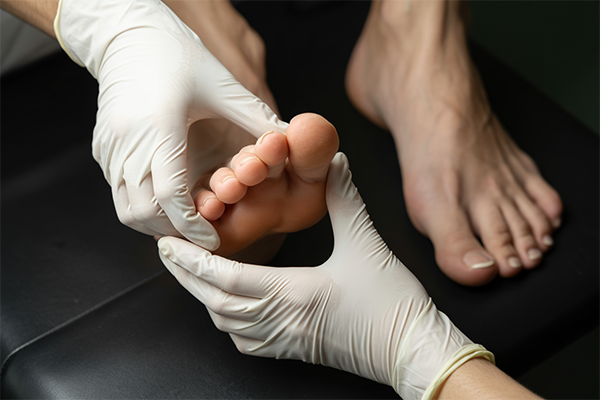
Ingrown nails, particularly fingernails and toenails, can be painful and distressing. At Prime Foot Clinic, located in Ramsbottom, we aim to provide timely, evidence-based information on foot health. Ingrown toenails occur when the edges or corners of the nail grow into the surrounding skin, leading to inflammation, infection, or even more severe complications if left untreated. Understanding the causes of this condition is crucial for prevention and treatment.
Common Causes of Ingrown Nails
Several factors can contribute to the development of ingrown nails:
- Improper Nail Trimming: Cutting toenails too short or rounding the edges can encourage the nail to grow into the skin.
- Footwear Issues: Shoes that are too tight or ill-fitting can exert pressure on the toenails, contributing to ingrowth.
- Genetic Predisposition: Some individuals may inherit a propensity for toenails that are naturally curved or thick, increasing the risk of ingrown nails.
- Trauma or Injury: Stubbed toes or other injuries can cause the nail to grow improperly.
- Medical Conditions: Certain conditions like fungal infections or diabetes may alter the structure and growth pattern of nails.
How Can I Prevent Ingrown Nails?
Preventing ingrown nails is often manageable through simple lifestyle adjustments:
- Proper Nail Care: Cut your toenails straight across and avoid tapering the corners. This ensures that the nail grows outward rather than into the skin.
- Choosing The Right Footwear: Select shoes that fit properly and provide adequate space for your toes. This reduces pressure on the nail beds.
- Maintain Foot Hygiene: Keep feet clean and dry to prevent fungal infections, which can complicate nail growth.
- Moisturising Skin: Keeping the skin around your nails hydrated may reduce the likelihood of ingrowth by improving flexibility.
- Regular Foot Checks: If you have conditions like diabetes, regular self-exams of your feet are vital for early detection of issues.
How Can I Treat Ingrown Nails?
If you suspect you have an ingrown nail, it’s essential to seek professional treatment to prevent further complications. At Prime Foot Clinic in Prestwich, we offer several treatment options:
- Conservative Measures: Soaking the affected foot in warm, soapy water can help relieve pain and reduce swelling. This may also soften the skin, making it easier to address the ingrown edge.
- Orthotic Devices: Custom orthotic inserts can relieve pressure and correct underlying foot mechanics contributing to abnormal nail growth.
- Partial Nail Avulsion: This minor surgical procedure involves removing the ingrown portion of the nail, which may be indicated when conservative measures fail.
- Antibiotics: If infection is present or suspected, topical or oral antibiotics may be prescribed to prevent further complications.
- Education and Follow-Up Care: Post-treatment follow-up ensures proper healing and help reinforce good foot care practices.
When Should I See a Podiatrist?
It’s crucial to seek help from a qualified podiatrist if:
- The pain worsens or does not improve with home care.
- Signs of infection, such as redness, swelling, or discharge, appear.
- You have underlying health conditions (like diabetes) that may complicate foot issues.
- You are experiencing recurrent ingrown nails despite taking preventive measures.
Frequently Asked Questions
1. Can ingrown nails affect anyone?
Yes, ingrown nails can affect anyone, although certain factors like improper nail trimming or ill-fitting shoes increase the risk.
2. Are ingrown nails contagious?
No, ingrown nails are not contagious. They result from individual factors rather than infection spread from person to person.
3. How long does it take for an ingrown nail to heal?
Healing time can vary, but minor cases usually improve within a few days to a week with proper care; more severe cases may require professional treatment.
4. Is surgery necessary for an ingrown nail?
Surgery is not always necessary; however, if conservative treatments fail, a partial nail avulsion performed by a podiatrist may be required to prevent recurrence.
5. How can I care for my feet to prevent ingrown nails?
Practice proper nail hygiene, select appropriate footwear, and perform regular foot checks for early detection of potential problems.
Conclusion
Ingrown nails can be uncomfortable, but with the right knowledge and care, they are often preventable. At Prime Foot Clinic in Denton, we've helped many patients manage this condition successfully. If you're experiencing symptoms or have questions about foot care, we encourage you to book an appointment with us today. Your foot health is our priority, and our dedicated team is here to help you every step of the way.