What Causes Pain Beneath the Big Toe Joint?
Introduction
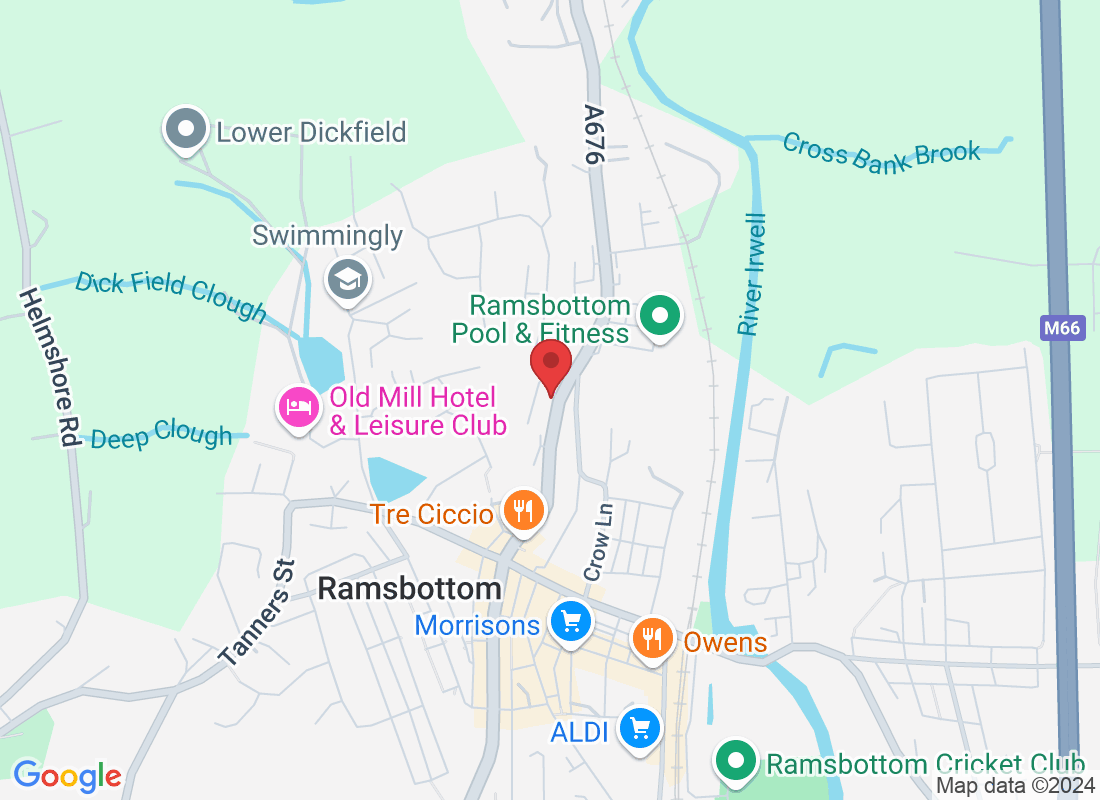
If you're experiencing pain beneath the big toe joint, you're not alone. This common ailment can significantly impact daily life and mobility. At Prime Foot Clinic, located in Ramsbottom, Prestwich, and Denton, we specialize in diagnosing and treating foot pain, including issues related to the big toe. Understanding the causes of this discomfort is essential for effective treatment and relief.
What Causes Pain Beneath the Big Toe Joint?
Pain beneath the big toe joint can arise from various conditions. Below are some prevalent causes:
1. Hallux Rigidus
Hallux rigidus is a form of degenerative arthritis that affects the big toe joint. This condition leads to stiffness, swelling, and pain, particularly while walking or standing. Over time, the cartilage wears down, causing bone spurs and reducing mobility.
2. Sesamoiditis
Sesamoiditis occurs when the sesamoid bones, which are tiny bones located beneath the big toe, become inflamed. This condition is common in athletes and those who place excessive strain on their feet. Symptoms include localized pain beneath the joint, especially when pushing off the foot.
3. Gout
Gout is a type of inflammatory arthritis caused by an accumulation of uric acid crystals in the joint. It often manifests suddenly, causing intense pain and swelling, particularly at the base of the big toe. Gout flare-ups may be triggered by diet, dehydration, or other factors.
4. Bunion (Hallux Valgus)
A bunion is a bony bump that forms at the base of the big toe, leading to misalignment of the toe. This condition can cause discomfort and pain beneath the joint, particularly when wearing tight or ill-fitting shoes. Bunions may progressively worsen without intervention.
5. Morton’s Neuroma
Although Morton’s neuroma primarily affects the area between the toes, it can radiate pain to the big toe and joint area. This condition involves the thickening of nerve tissue, often due to irritation from footwear or foot alignment issues, leading to a burning sensation or sharp pain.
How Can I Treat Pain Beneath the Big Toe Joint?
Treatment for pain beneath the big toe joint will depend on the underlying cause. Here are some effective options:
1. Footwear Modifications
Wearing properly fitting shoes with wide toe boxes can alleviate pressure on the big toe joint. Avoid high heels or narrow footwear that exacerbate symptoms.
2. Orthotic Devices
Custom or over-the-counter orthotics can provide support and proper alignment for the foot, reducing strain on the big toe joint. This can relieve pain and improve overall foot function.
3. Physical Therapy
Engaging in physical therapy can help improve range of motion and strengthen surrounding muscles. A trained therapist may provide targeted exercises and stretches to address specific foot conditions.
4. Medication and Injections
Non-steroidal anti-inflammatory drugs (NSAIDs) can help manage pain and inflammation. In some cases, corticosteroid injections may be offered for temporary relief and to reduce swelling in the affected area.
5. Surgical Intervention
If conservative treatments fail to provide relief, surgical options may be explored. Procedures can range from bunionectomy to arthrodesis (joint fusion) for conditions like hallux rigidus. A thorough evaluation will determine the best course of action.
When Should I See a Podiatrist?
It’s essential to seek professional help if:
- The pain is severe or persistent.
- You experience swelling or redness that doesn’t subside.
- You have difficulty walking or performing daily activities.
- Over-the-counter pain relief does not alleviate symptoms.
FAQ
1. What are the symptoms of hallux rigidus?
Symptoms include pain and stiffness in the big toe joint, swelling, and difficulty bending the toe.
2. Can bunions be prevented?
While bunions can be hereditary, wearing proper footwear and maintaining a healthy weight can reduce the risk.
3. Is it normal for my big toe to hurt after exercising?
Pain after exercise may indicate overuse or improper footwear. Monitor the pain, and consult a podiatrist if it persists.
4. How long does it take to recover from foot surgery?
Recovery time varies, but it typically ranges from a few weeks to several months, depending on the procedure.
5. Are there any home remedies for toe pain?
Resting, applying ice, and using over-the-counter NSAIDs may provide temporary relief. However, consult a healthcare professional for a thorough evaluation.
Conclusion
If you are experiencing pain beneath the big toe joint, it's crucial to seek a proper diagnosis and treatment plan. At Prime Foot Clinic in Ramsbottom, Prestwich, and Denton, we are dedicated to addressing your foot health concerns with expert care. Don't let foot pain impede your life—book an appointment today to discuss your symptoms and explore your treatment options.