What Causes Pain Under the Toes? (Metatarsalgia Guide)
Introduction
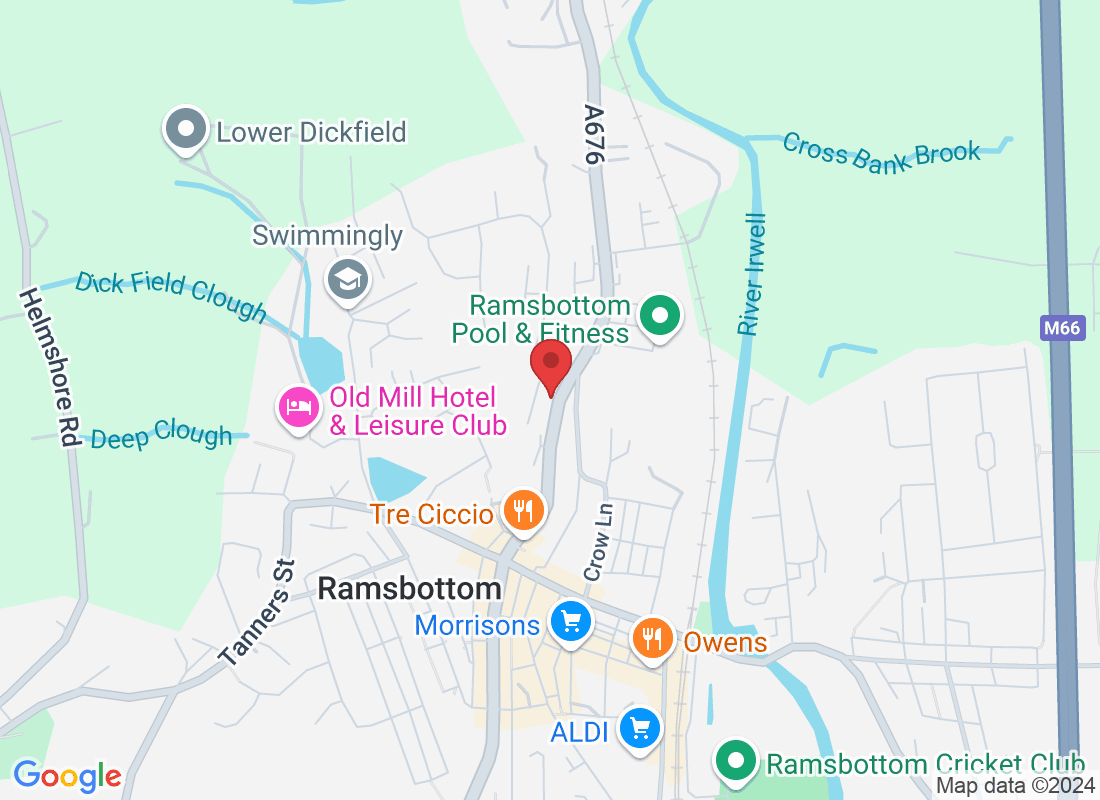
If you are experiencing pain under your toes, you are not alone. Many individuals suffer from a condition known as metatarsalgia, which can cause discomfort and impact your daily activities. At Prime Foot Clinic in Ramsbottom, we understand the importance of healthy feet and offer expert insights into the causes, symptoms, and treatments for metatarsalgia.
What Causes Pain Under the Toes?
Pain under the toes typically stems from issues related to the metatarsal bones -- the long bones in the foot that connect the toes to the midfoot. There are several potential causes of this discomfort:
- Excessive Pressure: Activities that place repeated stress on the forefoot—like running or standing for long periods—can lead to inflammation and pain.
- Foot Deformities: Conditions such as bunions, hammertoes, or high arches may disrupt weight distribution and put excess strain on the metatarsals.
- Injuries: A fracture or sprain in the foot can lead to localized pain and discomfort, particularly under the toes.
- Neuromas: Morton’s neuroma is a thickening of tissue around the nerves between the toes, resulting in sharp pain and discomfort, especially when wearing shoes.
- Arthritis: Osteoarthritis or rheumatoid arthritis can cause inflammation in the toe joints, leading to pain in the affected areas.
What Are the Symptoms of Metatarsalgia?
Symptoms of metatarsalgia can vary from person to person, but common signs include:
- Sharp, aching, or burning pain in the ball of the foot
- Increased pain during activities or when standing
- Swelling and inflammation near the toes
- Difficulty walking or wearing certain types of shoes
How Can I Treat Metatarsalgia?
Managing metatarsalgia involves a combination of self-care strategies and professional treatment. Here are several effective approaches:
- Rest: Taking breaks from high-impact activities can help alleviate pressure on the feet.
- Orthotics: Custom-made insoles or arch supports can provide extra cushioning and support to redistribute pressure away from the metatarsal region.
- Footwear: Choosing shoes with a wide toe box, adequate arch support, and cushioning can prevent aggravation of the condition.
- Ice Therapy: Applying ice to the affected area can reduce swelling and relieve pain.
- Physical Therapy: A physical therapist may recommend specific exercises and stretches to strengthen foot muscles and improve flexibility.
- Medications: Over-the-counter non-steroidal anti-inflammatory drugs (NSAIDs) can help manage pain and inflammation.
- Surgery: In severe cases, surgical intervention might be necessary to correct underlying structural issues.
When Should I See a Doctor?
If you experience persistent pain under your toes that does not improve with home treatment or is accompanied by swelling, redness, or changes in foot structure, it is essential to consult with a healthcare professional. Early intervention can prevent the progression of the condition and promote effective recovery.
Frequently Asked Questions (FAQ)
1. Can metatarsalgia occur in children?
Yes, metatarsalgia can occur in children, often due to improper footwear or high physical activity levels. It’s important to monitor their foot health and seek advice if they show signs of pain.
2. Are there exercises to relieve metatarsalgia?
Yes, exercises that focus on stretching and strengthening the feet can be beneficial. Toe curls, calf stretches, and arch raises can help alleviate symptoms.
3. Does weight contribute to metatarsalgia?
Excess weight can put additional pressure on the metatarsal bones, contributing to metatarsalgia. Maintaining a healthy weight can help reduce risks and improve foot health.
4. Is there a link between metatarsalgia and diabetes?
Individuals with diabetes may experience foot problems, including metatarsalgia, due to nerve damage and poor circulation. Regular monitoring and proper foot care are essential for diabetic patients.
5. How long does it typically take to recover from metatarsalgia?
Recovery from metatarsalgia can vary based on the individual and severity of the condition, but most people see improvements within a few weeks of appropriate treatment.
Conclusion
Pain under the toes, particularly metatarsalgia, can greatly affect your quality of life. At Prime Foot Clinic in Prestwich, our team is dedicated to diagnosing and treating your foot conditions effectively. If you’re experiencing discomfort, don’t hesitate to seek professional help. Schedule your appointment today to begin your journey towards pain-free feet. Visit our booking page here.