
Chronic Foot Swelling? What It Might Be Telling You
Introduction
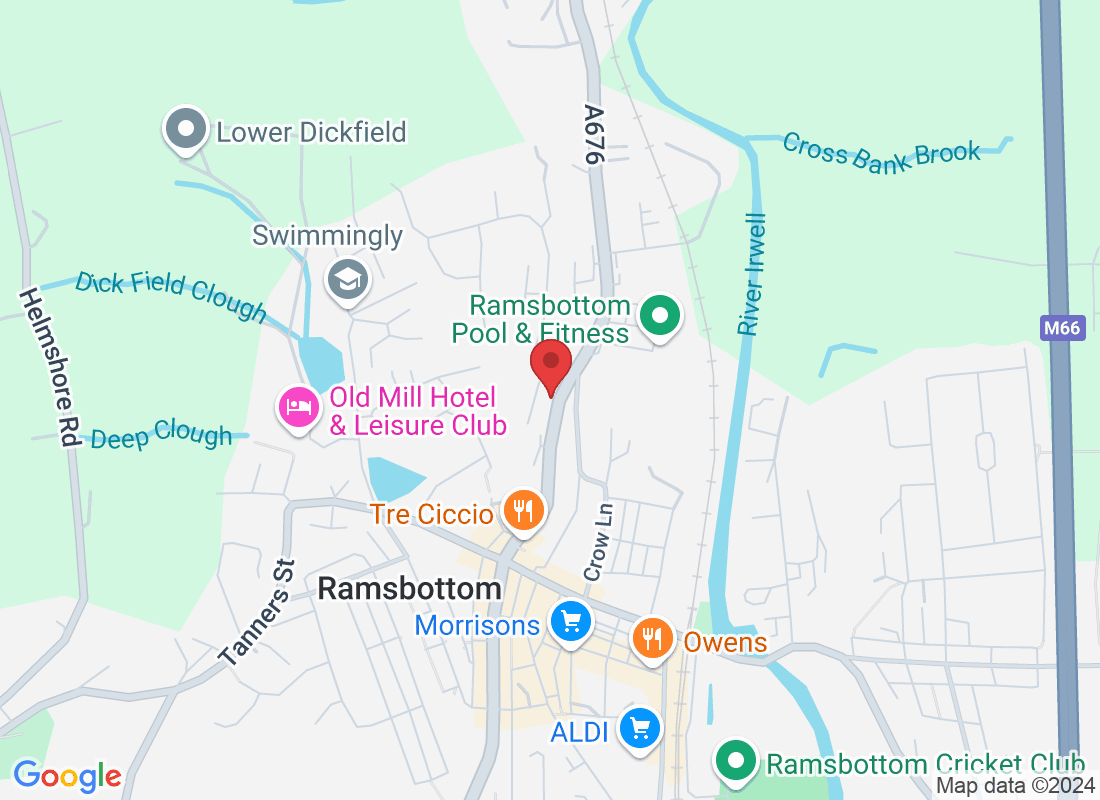
Chronic foot swelling can be more than just an uncomfortable nuisance; it can signal underlying health conditions that require attention. At Prime Foot Clinic, located in Ramsbottom, Prestwich, and Denton, we prioritize your foot health and aim to help you understand the potential causes and treatments for persistent swelling in the feet. This comprehensive guide will delve into what chronic foot swelling might be telling you, empowering you with knowledge to seek appropriate care.
What Causes Chronic Foot Swelling?
Chronic foot swelling, medically known as edema, can arise from various factors. Understanding these can help you identify when to seek help from a specialist.
- Heart Conditions: Conditions like congestive heart failure can lead to fluid retention, resulting in swelling.
- Kidney Issues: Impaired kidney function can result in the body's inability to eliminate excess fluid, causing swelling.
- Liver Disease: Conditions such as cirrhosis can lead to fluid buildup in the abdomen and extremities.
- Venous Insufficiency: When veins cannot pump blood effectively, it can lead to chronic swelling in the feet and ankles.
- Inflammatory Conditions: Conditions like arthritis or gout can cause localized swelling due to inflammation.
- Injuries: Sprains, fractures, or other injuries can lead to acute swelling that may persist if not properly treated.
- Medications: Certain drugs, including those for high blood pressure and diabetes, may contribute to swelling as a side effect.
How is Chronic Foot Swelling Diagnosed?
Diagnosis typically involves a thorough assessment by a healthcare professional, which may include:
- Medical History Review: Discussing existing health conditions and medications.
- Physical Examination: Evaluating the swelling pattern, skin condition, and mobility.
- Diagnostic Tests: Blood tests, urinalysis, or imaging studies like ultrasounds may be conducted to identify underlying causes.
What Are the Treatment Options for Chronic Foot Swelling?
Treatment of chronic foot swelling often depends on the underlying cause. Here are some common strategies:
- Compression Therapy: Wearing compression stockings can help reduce swelling by improving blood circulation.
- Medication Adjustments: Your doctor may change medications or prescribe diuretics to eliminate excess fluid.
- Lifestyle Changes: Elevating the legs, maintaining a healthy weight, and reducing salt intake can be beneficial.
- Physical Therapy: Targeted exercises may improve mobility and circulation, aiding in fluid reduction.
- Medical Treatments: In cases related to severe conditions, surgery or other interventions may be necessary.
How Can I Prevent Chronic Foot Swelling?
Taking proactive steps can help reduce the risk of developing chronic foot swelling:
- Stay Hydrated: Drinking adequate amounts of water can help your body manage fluid balance.
- Regular Exercise: Physical activity promotes healthy circulation and helps prevent fluid buildup.
- Avoid Prolonged Sitting or Standing: Take breaks to move around, especially if your job requires long periods in one position.
- Maintain a Healthy Diet: Eating balanced meals rich in potassium can help manage fluid retention.
FAQs: Chronic Foot Swelling
1. What are the warning signs that I should seek medical attention for my foot swelling?
If you experience severe pain, redness, warmth, or swelling that persists despite home care, it's important to seek medical advice.
2. Can pregnancy cause foot swelling?
Yes, hormonal changes and increased fluid retention during pregnancy can lead to temporary foot swelling.
3. Is foot swelling in elderly individuals common?
Yes, elderly individuals often experience foot swelling due to various factors, including medications and underlying health conditions.
4. Are there home remedies to reduce foot swelling?
Home remedies such as elevating the feet, using cold compresses, and incorporating regular movement can help manage mild swelling.
5. When should I see a podiatrist for foot swelling?
If the swelling is chronic, recurring, or associated with other symptoms, it's a good idea to consult a podiatrist to rule out serious conditions.
Conclusion
Understanding the potential causes and treatments for chronic foot swelling is essential for your overall health and wellbeing. If you are experiencing ongoing foot swelling or have any concerns, we invite you to visit Prime Foot Clinic in Ramsbottom, Prestwich, or Denton. Our team of experienced podiatrists is here to help you find the best course of action for your needs. Book your appointment today!