Cracked Heels? Chiropody Tips That Actually Work in Prestwich
Understanding Cracked Heels
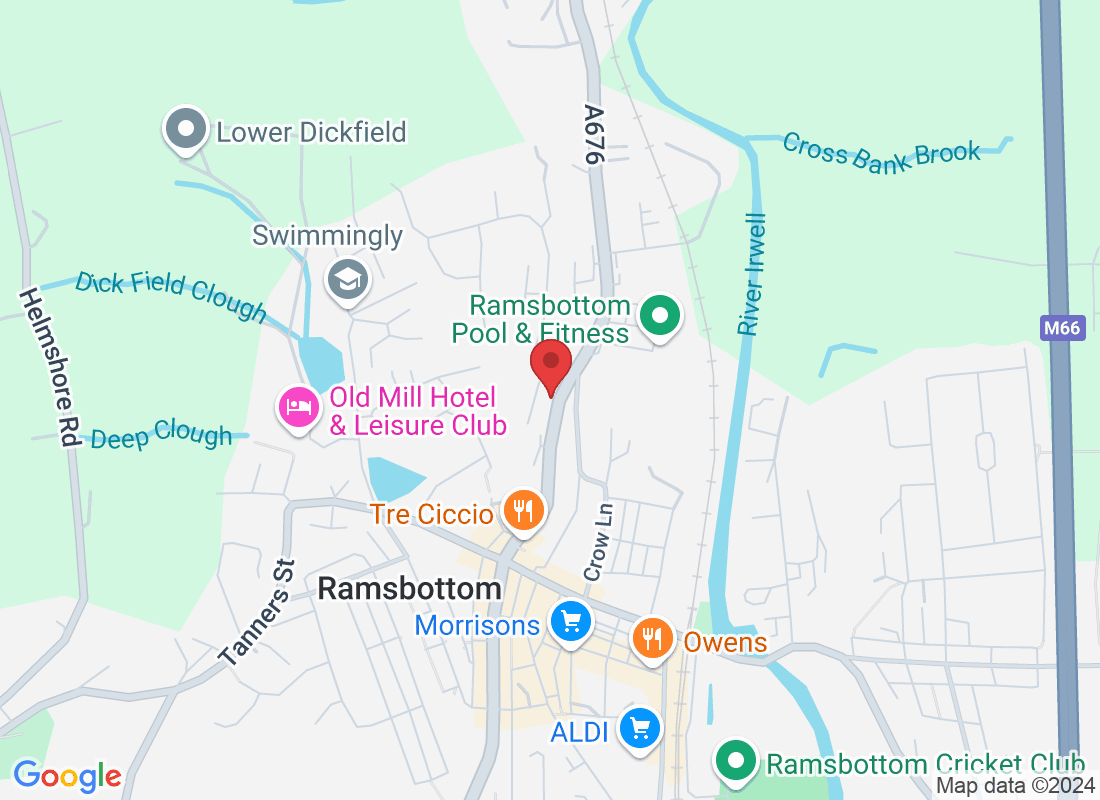
Cracked heels, often an overlooked foot condition, can result in discomfort, pain, and even infections if left untreated. At Prime Foot Clinic in Ramsbottom, we often encounter patients from Prestwich and Denton dealing with this issue, and we're here to provide effective chiropody tips to alleviate the problem.
What Causes Cracked Heels?
Cracked heels, or heel fissures, typically occur for several reasons, including:
- Dry Skin: A lack of moisture can lead to the dryness of skin, especially on the feet, making them prone to cracking.
- Pressure Points: Weight-bearing activities can create pressure on the heels, causing the skin to expand and eventually crack.
- Medical Conditions: Conditions such as diabetes, psoriasis, and eczema can impair skin health.
- Improper Footwear: Shoes that do not offer adequate support or are too loose can exacerbate the cracking.
- Environmental Factors: Exposure to harsh weather and low humidity can further dry the skin.
How Can I Treat Cracked Heels?
Treating cracked heels effectively requires a combination of self-care and in-clinic treatments. Here are some strategies that can help:
1. Moisturising Regularly
Use a thick, emollient-based moisturiser daily, particularly after bathing. Look for products containing:
- Urea
- Glycerin
- Shea butter
It's best to apply moisturiser before bed and wear cotton socks to enhance moisture retention overnight.
2. Exfoliating the Skin
Gentle exfoliation can help remove dead skin cells and prevent buildup around the heels. Use a foot file or pumice stone regularly, especially after soaking your feet.
3. Wearing Appropriate Footwear
Choose shoes that offer good support and cushioning. Avoid walking barefoot or wearing open-back sandals, as they can increase heel strain.
4. Seeking Professional Help
If self-care methods do not lead to improvement, consider scheduling an appointment at Prime Foot Clinic. Our chiropodists can provide:
- Professional Debridement: This involves the removal of thickened skin and calluses to promote healing.
- Custom Orthotics: If biomechanical issues contribute to your cracked heels, custom orthotics can help redistribute pressure effectively.
- Treatment of Underlying Conditions: If diabetes or other factors are present, our practitioners will work with you to manage these conditions.
What Are the Best Home Remedies for Cracked Heels?
In addition to standard treatments, several home remedies can be beneficial:
- Soaking Feet: Soak your feet in warm, soapy water for 15-20 minutes, followed by patting them dry and applying moisturizer.
- Coconut Oil: Known for its hydrating properties, coconut oil can also help minimize inflammation.
- Natural Exfoliants: Mixtures of sugar or salt with oil can serve as natural scrubs to soften rough areas.
When Should I Seek Medical Attention?
While cracked heels can often be treated with home remedies and basic care, you should seek medical advice if you experience:
- Severe pain or discomfort.
- Sign of infection (redness, swelling, discharge).
- Cracks that do not improve with home treatment over a few weeks.
- Extensive cracks that bleed or cause significant discomfort.
Frequently Asked Questions
1. Can cracked heels lead to serious health issues?
Cracked heels can lead to infections if bacteria enter the fissures, especially in individuals with reduced sensation or circulatory issues.
2. Are certain demographics more susceptible to cracked heels?
Yes, older adults, individuals with certain chronic conditions (like diabetes), and those with a history of dry skin are more prone to developing cracked heels.
3. Is it safe to use over-the-counter treatments?
Most over-the-counter moisturisers and exfoliants are safe; however, it's best to consult with a chiropodist to ensure proper treatment.
4. How long does it take for cracked heels to heal?
Healing time can vary based on the severity of the cracks and the treatments used, but with consistent care, many patients see improvement within a few weeks.
5. Can dietary changes help with skin health?
A balanced diet with adequate hydration and vitamins (like Vitamin E and biotin) can promote healthier skin, potentially reducing dryness and cracking.
Conclusion
Cracked heels are a common issue that can lead to discomfort and additional health problems if not treated properly. At Prime Foot Clinic, we are dedicated to helping patients in Ramsbottom, Prestwich, and Denton find lasting solutions. If you're struggling with cracked heels, don’t hesitate to schedule an appointment with our team of qualified chiropodists today. Your feet deserve the best care!