Denton Advice: How to Prevent Ingrown Toenails
Denton Advice: How to Prevent Ingrown Toenails
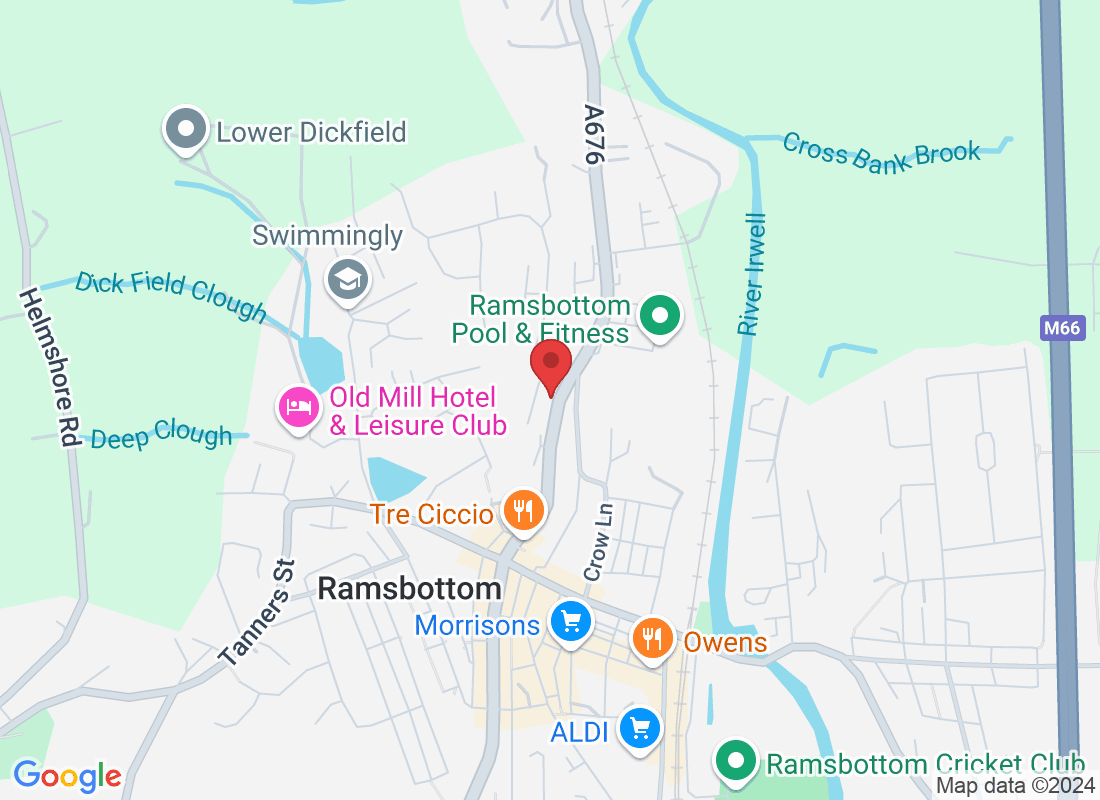
Welcome to Prime Foot Clinic, your trusted podiatry practice located in Ramsbottom, Prestwich, and Denton. Ingrown toenails are a common issue that can lead to discomfort and more severe complications if left untreated. This blog post will provide you with essential advice on how to prevent this condition effectively.
What Causes Ingrown Toenails?
Ingrown toenails occur when the edges of the toenail embed into the surrounding skin, leading to pain, swelling, and sometimes infection. Several factors can contribute to this condition:
- Improper Nail Trimming: Cutting nails too short or rounding the edges can increase the risk of ingrowth.
- Footwear Choices: Wearing shoes that are too tight or narrow can press the toenails into the skin.
- Genetic Predisposition: Some individuals may inherit a tendency to develop ingrown toenails due to the natural shape of their nails.
- Foot Injuries: Trauma to the toe can lead to misalignment of the nail growth, increasing the likelihood of ingrown nails.
- Medical Conditions: Diabetes or fungal infections can complicate nail growth and lead to ingrown toenails.
How Can I Treat Ingrown Toenails?
While prevention is key, understanding treatment options is also important if you experience ingrown toenails:
- At-Home Care: Soak your foot in warm water for 15-20 minutes to soften the skin around the nail. Gently lift the nail edge away from the skin using a cotton ball or dental floss.
- Topical Antiseptics: Applying antiseptic creams can help prevent infection, especially if there is redness or drainage.
- Over-the-Counter Pain Relievers: Ibuprofen or acetaminophen can alleviate pain associated with ingrown toenails.
- Professional Treatment: For persistent cases, your podiatrist may recommend partial nail avulsion or other surgical options to prevent future occurrences.
What Are the Symptoms of Ingrown Toenails?
Identifying the symptoms early can help you seek prompt treatment. Common symptoms include:
- Pain and tenderness along the sides of the toenail
- Swelling and redness in the surrounding skin
- Pus or drainage from the affected area, which can indicate infection
- Thickening of the skin around the nail
How Can I Prevent Ingrown Toenails?
Preventing ingrown toenails involves a combination of proper care and attention to footwear. Here are some effective strategies:
- Proper Nail Trimming: Always cut your toenails straight across and avoid rounding the edges. Aim for a nail length that is even with the tip of the toe.
- Choose the Right Footwear: Opt for shoes that allow enough room for your toes to move freely. Ensure that there is adequate width and depth.
- Maintain Foot Hygiene: Regular washing and drying of feet can help reduce the risk of infection and keep the nails healthy.
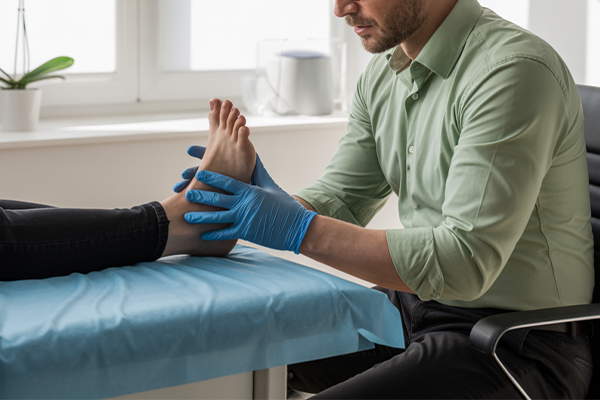
- Regular Podiatry Check-ups: Consulting with a podiatrist, especially if you’re prone to nail problems, can help you stay ahead of any potential issues.
- Monitor Changes: Keep an eye on any changes in nail appearance, and seek professional advice if you notice anything unusual.
When Should I See a Podiatrist?
If you experience ongoing pain, recurring ingrown toenails, or signs of infection (such as increased swelling or pus), it is essential to seek treatment from a qualified podiatrist at Prime Foot Clinic. We can provide tailored advice and treatment options to help you get back on your feet without discomfort.
Frequently Asked Questions (FAQ)
1. Can ingrown toenails heal on their own?
In some cases, mild ingrown toenails may heal with proper home care. However, persistent or severe cases often require professional intervention.
2. Are ingrown toenails hereditary?
Yes, genetic factors can play a role. If family members have a history of ingrown toenails, you may be at a higher risk.
3. How can I alleviate pain from an ingrown toenail?
Soaking your foot in warm water and using topical pain relief medications can help. If pain persists, consult your podiatrist.
4. What footwear is best to prevent ingrown toenails?
Look for shoes with a wide toe box that provide adequate support and allow natural toe movement.
5. Is surgery the only option for treating ingrown toenails?
No, there are various treatment options, including at-home care and non-surgical methods. Surgery may be necessary for chronic cases.
At Prime Foot Clinic, we specialize in diagnosing and treating foot conditions, including ingrown toenails. If you're experiencing discomfort or have concerns about your foot health, don’t hesitate to book an appointment with us today. Your feet deserve expert care!