Diabetic Foot Ulcers: What to Watch for in Ramsbottom
Understanding Diabetic Foot Ulcers: A Guide for Ramsbottom Residents
At Prime Foot Clinic, located in the heart of Ramsbottom, we understand the importance of foot health, especially for those living with diabetes. Diabetic foot ulcers are a serious complication that can arise from diabetes, and being informed about them is crucial for prevention and effective management. This article will delve into what diabetic foot ulcers are, their causes, symptoms, treatment options, and how to seek help in Ramsbottom, Prestwich, or Denton.
What Are Diabetic Foot Ulcers?
Diabetic foot ulcers are open sores or wounds that occur on the feet of individuals with diabetes. They typically develop as a result of nerve damage (neuropathy) and poor circulation. Commonly found on the bottom of the foot, these ulcers can lead to severe infections and, if not treated properly, may even result in limb amputation.
What Causes Diabetic Foot Ulcers?
Several factors contribute to the formation of diabetic foot ulcers:
- Nerve Damage: High blood sugar levels can cause diabetic neuropathy, leading to loss of sensation in the feet. This means injuries or pressure sores may go unnoticed.
- Poor Blood Circulation: Diabetes often affects blood flow, hindering the body’s ability to heal wounds.
- Infections: Diabetics are more susceptible to infections due to compromised immune systems, which can exacerbate existing wounds.
- Foot Deformities: Conditions such as Charcot foot (an abnormality of the bones in the foot) can alter weight distribution and lead to ulcers.
- Poor Foot Care: Neglecting foot hygiene increases the risk of developing ulcers. Proper care is essential for prevention.
What Are the Symptoms of Diabetic Foot Ulcers?
It’s vital to recognize the early signs of diabetic foot ulcers to ensure timely treatment. Symptoms may include:
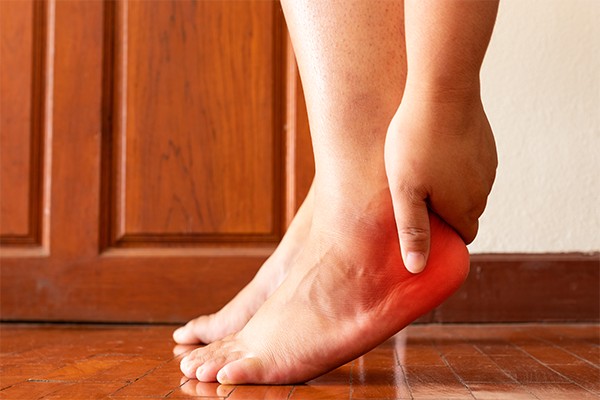
- Red, swollen patches on the foot
- Open sores or wounds, often with drainage
- Changes in skin color or temperature
- Pain, tenderness, or discomfort in the affected area
- Odorous discharge, indicating possible infection
How Can I Treat Diabetic Foot Ulcers?
Effective treatment of diabetic foot ulcers requires a comprehensive approach that includes:
- Wound Care: Regular cleaning and dressing changes are crucial. Specialized dressings may be used to promote healing.
- Offloading Pressure: Reducing pressure on the ulcer is essential. Custom orthotics or specialized footwear can help distribute weight more evenly.
- Medication: Antibiotics may be prescribed to treat infections. Management of blood sugar levels is also critical to promote healing.
- Debridement: In some cases, dead or infected tissue may need to be removed to aid healing.
- Regular Monitoring: Frequent check-ups with a podiatrist, such as those at Prime Foot Clinic, can help monitor the ulcer and prevent worsening.
How Can I Prevent Diabetic Foot Ulcers?
Prevention is paramount for individuals with diabetes. Here are some effective strategies:
- Perform daily foot inspections to catch any early signs of issues.
- Maintain good blood sugar control to minimize the risk of neuropathy and vascular problems.
- Wear appropriate footwear that fits well and offers support.
- Practice regular foot hygiene, keeping feet clean and moisturized.
- Avoid walking barefoot, even at home, to prevent injuries.
When Should I See a Podiatrist?
If you notice any of the symptoms mentioned, it’s essential to seek professional care. At Prime Foot Clinic, our team is dedicated to providing comprehensive podiatric care tailored to the needs of diabetic patients. Early intervention can prevent complications and improve healing outcomes.
Frequently Asked Questions (FAQ)
1. Can diabetic foot ulcers heal on their own?
While some very minor ulcers may heal without intervention, most diabetic foot ulcers require medical treatment to heal properly and prevent complications.
2. How often should I check my feet if I have diabetes?
It is advisable to check your feet daily for any cuts, blisters, or signs of infection. Regular monitoring is critical in preventing more severe complications.
3. What type of shoes should I wear to prevent foot ulcers?
Opt for shoes that offer a good fit, ample support, and cushioning. Avoid tight or ill-fitting footwear that increases friction and pressure on the feet.
4. Are there any specific diets that can help manage diabetic foot health?
While no specific diet will prevent foot ulcers, maintaining a balanced diet with controlled carbohydrates can help manage blood sugar levels, which is crucial for foot health.
5. Where can I find professional help for my foot ulcers in Ramsbottom?
Prime Foot Clinic provides specialized podiatry services tailored to your needs. Our experienced team is here to help manage and treat diabetic foot ulcers effectively.
Conclusion
Understanding diabetic foot ulcers is essential for anyone living with diabetes. Being vigilant about foot care can prevent severe complications and ensure a better quality of life. If you are in Ramsbottom, Prestwich, or Denton, and are concerned about your foot health, don’t hesitate to reach out to Prime Foot Clinic. Our skilled podiatrists are ready to support you in managing and preventing diabetic foot ulcers.
To book an appointment, please visit our booking page.