
Discomfort in New Shoes? What to Watch For
Understanding Discomfort in New Shoes
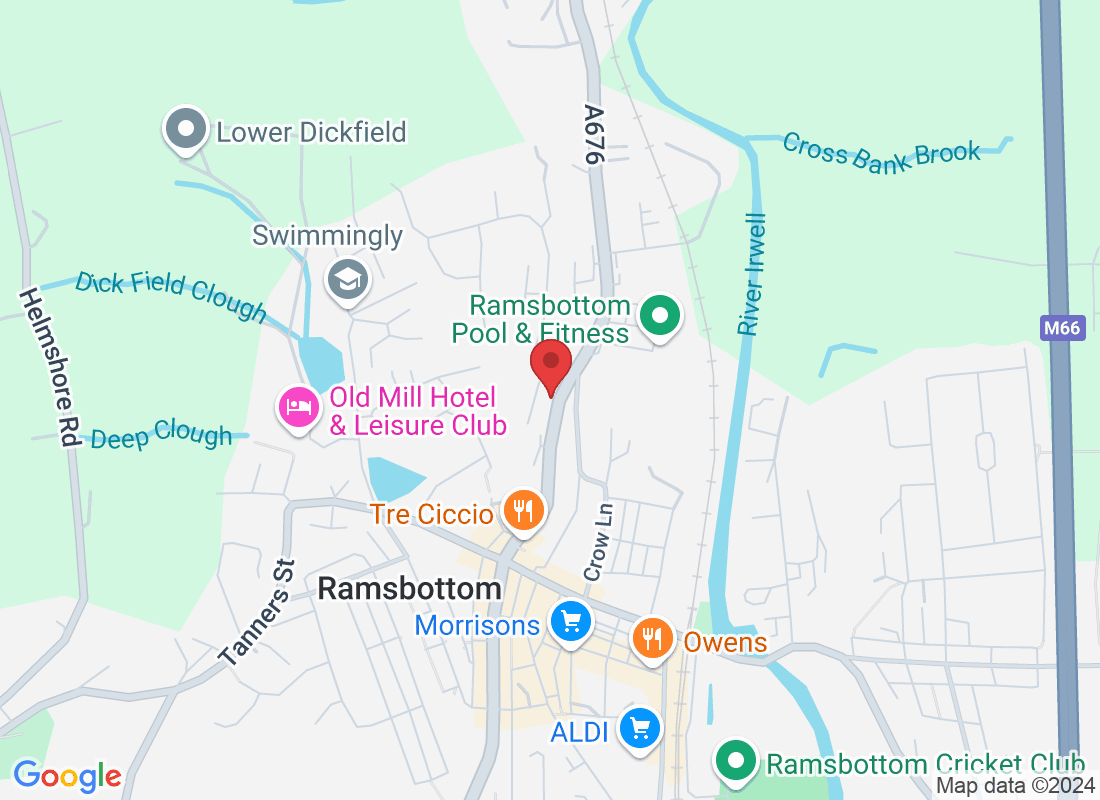
Many individuals experience discomfort when breaking in new shoes. At Prime Foot Clinic, located in Ramsbottom, we frequently see patients who present with various foot issues related to ill-fitting footwear. Understanding the causes of shoe discomfort and how to treat it can significantly improve your foot health and overall quality of life.
What Causes Discomfort in New Shoes?
Discomfort caused by new shoes can be attributed to several factors:
- Poor Fit: Shoes that are too tight or loose can lead to blisters, calluses, and other foot problems.
- Inadequate Support: Lack of arch support or cushioning can exacerbate conditions such as plantar fasciitis or metatarsalgia.
- Shoe Material: Rigid materials may not allow for the natural movement of your foot, causing pinching or irritation.
- Foot Structure: Individual variances in foot anatomy, such as flat feet or high arches, can make certain shoe types uncomfortable.
How Can I Identify Foot Problems Related to New Shoes?
To accurately identify foot problems stemming from new footwear, look out for the following symptoms:
- Blisters: Fluid-filled sacs commonly found on the toes and heels.
- Calluses: Thickened skin areas that develop due to consistent friction.
- Pain or Discomfort: Generalized pain in the arch, heel, or forefoot that worsens with shoe wear.
- Swelling: Increased inflammation around the toes and foot structure.
How Can I Treat Discomfort from New Shoes?
Treatment options can vary based on the severity of your symptoms. Here are some effective strategies:
- Gradual Break-In: Start wearing your new shoes for short periods to allow them to mold to your foot shape.
- Use Padding: Consider using gel pads or orthotic insoles for additional cushioning and support.
- Keep Feet Dry: Moisture-wicking socks can help reduce friction and the risk of blisters.
- Seek Professional Help: If discomfort persists, consult a podiatrist to assess and recommend suitable footwear or treatments.
What Type of Shoes Should I Choose?
Selecting the right shoes is crucial for maintaining foot health. Here are some tips:
- Fit is Key: Ensure shoes fit well in the heel and have some space at the toe box.
- Material Matters: Opt for shoes made from flexible, breathable materials that accommodate foot movement.
- Arch Support: Choose shoes that provide adequate arch support, particularly for those with flat feet or high arches.
- Consult a Podiatrist: If unsure about your foot mechanics, a professional evaluation can guide you towards the best choices.
When Should I See a Podiatrist?
It’s important to consult a podiatrist if:
- Your discomfort lasts longer than a few days.
- You experience swelling, redness, or extended pain in your feet.
- There are visible deformities that develop or worsen.
- Simple home remedies do not provide relief.
FAQ: Discomfort in New Shoes
1. Can new shoes really cause plantar fasciitis?
Yes, improper footwear can strain the plantar fascia, especially if shoes lack support and cushioning.
2. How do I know if my shoes are the right size?
Your shoes should feel snug but not tight, with about a thumb's width of space in front of your longest toe.
3. Are certain shoe types healthier for my feet?
Generally, well-cushioned shoes with good arch support and breathable materials are healthier for foot health.
4. Can I prevent blisters from new shoes?
Wearing moisture-wicking socks and using blister pads or bandages can help prevent friction and blisters.
5. Should I size up if my shoes feel tight?
While it can be helpful to try a larger size, consult with a podiatrist to ensure you are meeting your foot's specific needs.
Conclusion
Experiencing discomfort from new shoes is common, but understanding its causes and how to manage it can make a significant difference. If you're in Prestwich or Denton, don't hesitate to reach out to Prime Foot Clinic for a professional examination and personalized recommendations. Together, we can ensure that your foot health remains a priority.
Ready to address your shoe-related discomfort? Schedule an appointment with us today: Book Now.