What Your Feet Can Tell You About Your Health
What Your Feet Can Tell You About Your Health
Your feet are a vital part of your body that provide insight into your overall health. At Prime Foot Clinic in Ramsbottom, we believe understanding foot health can lead to better health outcomes in general. Many people often overlook their feet, but changes in their appearance or pain can signal underlying health issues. This article will explore what these signs could mean for your health and how to address them.
What common foot conditions indicate health problems?
Several common foot conditions can provide clues about your general health. Here are a few key examples:
- Fungal Infections: Thickened, discolored toenails or itchy, flaky skin may indicate a fungal infection. This can also signify a weakened immune system or poor circulation.
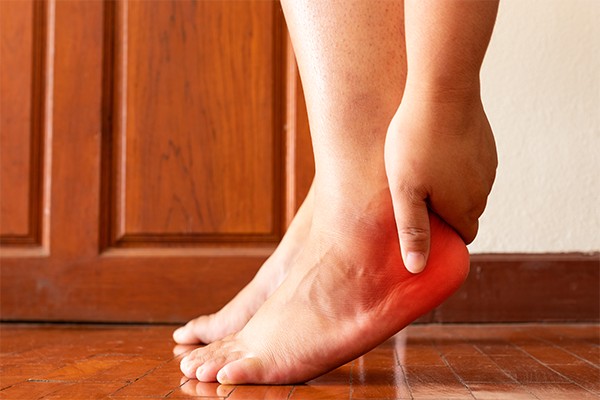
- Plantar Fasciitis: If you experience heel pain, it may be associated with plantar fasciitis. This condition can be a sign of obesity or overactivity.
- Peripheral Neuropathy: Numbness, tingling, or pain in your feet can indicate diabetic neuropathy, a common complication of uncontrolled diabetes.
- Foot Ulcers: The presence of non-healing sores on the foot can also signal diabetes, as high blood sugar levels may impair circulation and healing.
- Swelling: Persistent swelling can indicate issues with your heart, kidneys, or lymph system.
What causes foot pain and discomfort?
Foot pain can stem from various sources, including injuries, overuse, or underlying medical conditions. Some common causes include:
- Biomechanical Issues: Abnormal foot structure, such as flat feet or high arches, can lead to increased stress on foot tissues.
- Ill-fitting Footwear: Shoes that do not provide proper support can contribute to blisters, bunions, or rheumatoid arthritis.
- Chronic Conditions: Conditions such as arthritis, gout, and diabetes can cause chronic foot pain.
- Injuries: Sprains, fractures, or tendonitis can result from accidents or excessive physical activity.
How can I treat foot conditions effectively?
Treatment for foot conditions at Prime Foot Clinic is tailored to your specific diagnosis and may include:
- Orthotics: Custom-made shoe inserts can alleviate pressure on pain points and correct biomechanical issues.
- Physical Therapy: Exercises may be recommended to strengthen foot muscles or improve flexibility.
- Medication: Non-steroidal anti-inflammatory drugs (NSAIDs) can help reduce inflammation and pain.
- Fungal Treatments: Antifungal medications applied topically or taken orally can address fungal infections effectively.
- Surgery: In severe cases, surgical options may be required to correct structural problems or remove damaged tissue.
How can I maintain healthy feet?
Preventive care is crucial in maintaining optimal foot health. Consider these tips for keeping your feet in good shape:
- Wear Appropriate Footwear: Choose shoes that fit well, provide support, and allow for adequate circulation.
- Practice Good Hygiene: Regularly wash and dry your feet, keeping them clean and free of fungal infections.
- Stay Active: Engage in regular exercise to promote circulation and maintain a healthy weight, reducing pressure on your feet.
- Moisturize: Keep your feet moisturized to prevent dry, cracked skin that can lead to infections.
- Regular Check-ups: Schedule routine evaluations with your podiatrist, especially if you have underlying conditions like diabetes.
Frequently Asked Questions
1. What should I do if my foot pain persists?
If your foot pain continues for more than a few days or worsens, it’s important to consult a healthcare professional, such as a podiatrist at Prime Foot Clinic.
2. How often should I replace my running shoes?
It’s generally recommended to replace running shoes every 300 to 500 miles, depending on usage, body weight, and shoe wear.
3. Can foot problems indicate serious health issues?
Yes, foot problems can sometimes indicate serious health issues like diabetes, heart disease, or arthritis, and should be evaluated promptly.
4. What types of foot conditions are more common in older adults?
Older adults may experience conditions such as arthritis, neuropathy, bunions, and heel pain due to normal wear and tear and decreased circulation.
5. Is it safe to self-treat foot conditions at home?
While some minor issues can be treated at home, it’s always best to seek professional advice to avoid complications.
At Prime Foot Clinic, we are dedicated to providing personalized care for your foot health. If you're experiencing discomfort or have concerns about your feet, don’t hesitate to reach out. Located in Ramsbottom, we are here to help you maintain healthy feet and improve your overall wellbeing. Book an appointment today!