
Flat Shoes and Heel Pain – Is There a Connection? Prestwich Insight
Understanding the Link Between Flat Shoes and Heel Pain
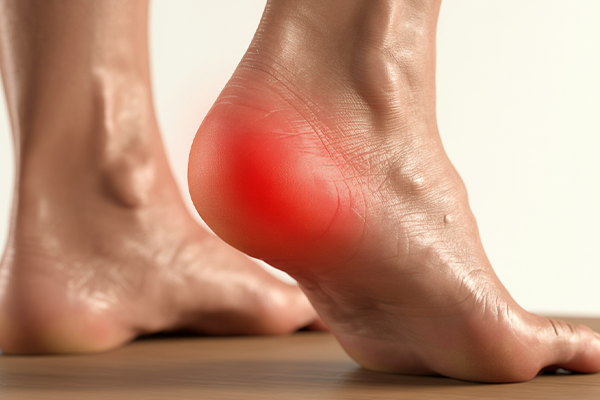
At Prime Foot Clinic, located in Ramsbottom, we understand the struggles patients face with foot health, particularly heel pain. Heel pain can be a debilitating condition affecting daily activities, and many patients frequently ask if there is a connection between wearing flat shoes and experiencing this discomfort. In this article, we will explore the relationship between flat shoes and heel pain, equipping you with evidence-based information and practical advice to manage your foot health.
What Causes Heel Pain?
Heel pain may stem from various conditions, with the most common being:
- Plantar Fasciitis: This is inflammation of the plantar fascia, a thick band of tissue that runs along the bottom of your foot. It often presents as a sharp pain near the heel, especially after long periods of inactivity.
- Achilles Tendinitis: This condition involves inflammation of the Achilles tendon, which connects your calf muscles to your heel. It can lead to pain and stiffness, particularly in the morning.
- Heel Spurs: Often associated with plantar fasciitis, heel spurs are bony growths on the underside of the heel bone that can cause pain during activities.
- Burstitis: Inflammation of the bursa, a small fluid-filled sac that cushions the heel, can also result in heel pain.
How Do Flat Shoes Contribute to Heel Pain?
Flat shoes—characterized by a lack of heel elevation—can significantly impact foot biomechanics. While they may offer comfort for some, they can lead to or exacerbate existing conditions, such as:
- Reduced Arch Support: Flat shoes often lack the necessary arch support, which can put additional strain on the plantar fascia, leading to inflammation and heel pain.
- Impact on Gait: The mechanics of walking change when wearing flat shoes; without adequate cushioning and support, shock absorption is compromised, which can lead to increased impact on the heel during activities.
- Foot Fatigue: Prolonged wear of flat shoes may lead to fatigue in the foot muscles. As these muscles tire, they become less effective at providing support, contributing to pain and discomfort.
Are All Flat Shoes Bad?
Not all flat shoes are inherently harmful, but selecting the right type is essential. Some key considerations include:
- Material: Shoes made of flexible, breathable materials that allow for foot movement often provide better comfort.
- Cushioning: Look for flat shoes that incorporate cushioning technology to help absorb shock and provide support.
- Fit: Shoes should fit properly without being too tight or too loose, providing adequate space for toes.
How Can I Treat Heel Pain Caused by Flat Shoes?
If you’re experiencing heel pain, there are several methods to alleviate the discomfort:
- Rest: Giving your feet a break can help reduce inflammation.
- Orthotics: Custom orthotic insoles can provide additional arch support and cushioning, alleviating heel pain.
- Stretching Exercises: Regular stretching of the calf muscles and plantar fascia can improve flexibility and reduce pain.
- Physiotherapy: A physiotherapist can develop a personalized exercise plan to strengthen the foot and improve mobility.
- Medication: Non-steroidal anti-inflammatory drugs (NSAIDs) can help manage pain and inflammation.
When Should I See a Podiatrist?
If you have persistent heel pain that does not improve with home treatment, it is essential to seek professional advice. A podiatrist can evaluate your condition, identify any underlying issues, and recommend a comprehensive treatment plan tailored to your needs. At Prime Foot Clinic, we specialize in diagnosing and treating conditions affecting the feet and ankles, providing personalized care to patients across Prestwich.
Frequently Asked Questions (FAQ)
1. Can wearing flat shoes cause permanent damage to my feet?
While not all flat shoes will cause permanent damage, consistently wearing inadequate footwear can lead to chronic conditions and long-term foot problems.
2. How long does heel pain usually take to resolve?
Heel pain duration varies depending on the cause; many patients begin to feel relief within a few weeks with proper treatment, but some cases may take several months to improve.
3. What types of exercises are best for heel pain?
Stretching exercises for the calf and plantar fascia, alongside strengthening exercises for the foot, are beneficial in managing and preventing heel pain.
4. Are there specific flat shoe brands recommended for comfort?
While personal preference plays a significant role, brands known for comfort, cushioning, and arch support should be considered, such as Skechers, Clarks, and Vionic.
5. Can heel pain return after treatment?
Yes, heel pain can return, especially if you resume wearing improper footwear or do not maintain regular stretching and strengthening exercises.
Conclusion
Understanding the connection between flat shoes and heel pain is crucial for maintaining your foot health. At Prime Foot Clinic in Ramsbottom, we are committed to helping patients navigate their foot care needs with expertise and compassion. If you are suffering from heel pain, please don’t hesitate to book an appointment today. Our team is here to provide the care you need to get back on your feet.