Foot Drop: Causes, Symptoms and How Podiatrists Can Help
Understanding Foot Drop
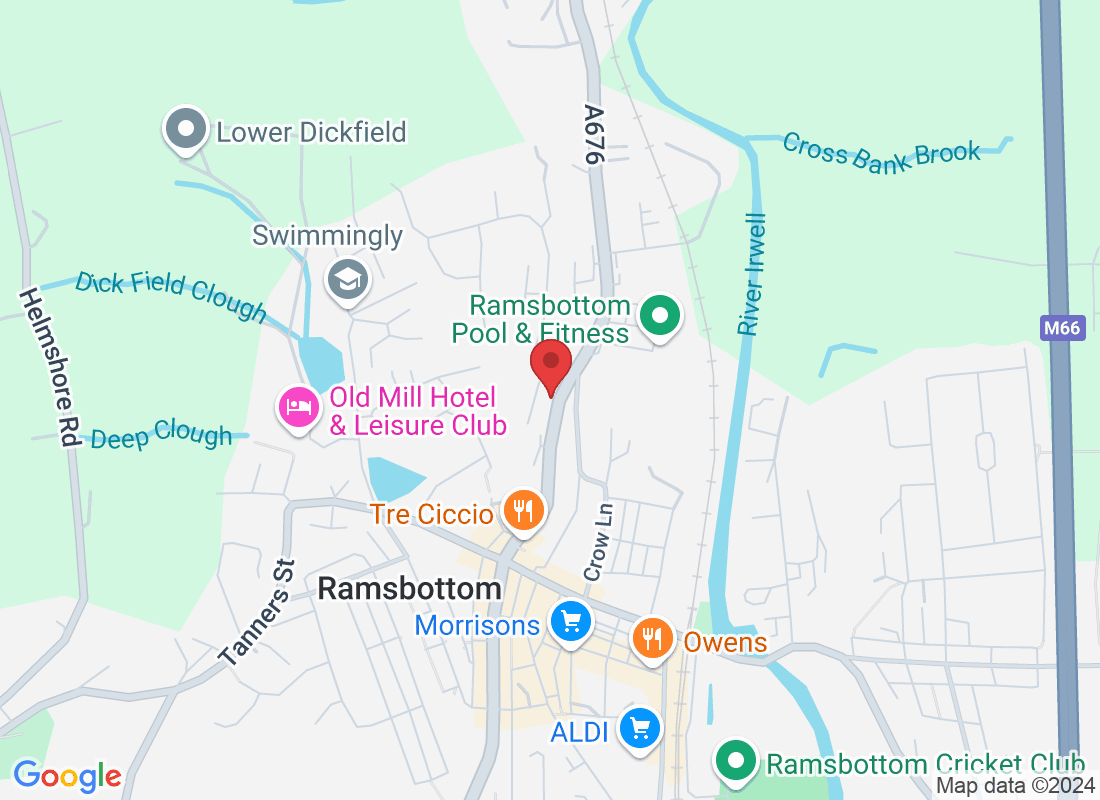
Foot drop is a condition characterized by difficulty in lifting the front part of the foot, leading to a dragging or slapping gait. At Prime Foot Clinic, located in Ramsbottom, Prestwich, and Denton, we are committed to helping our patients understand the causes, symptoms, and treatment options available for foot drop.
What Causes Foot Drop?
Foot drop can result from a variety of issues affecting the muscles and nerves that control foot movement. Some common causes include:
- Nerve Injury: Damage to the peroneal nerve, often caused by trauma, compression, or prolonged pressure on the nerve.
- Neurological Disorders: Conditions such as multiple sclerosis, stroke, or cerebral palsy can disrupt communication between the brain and the muscles.
- Muscle Disorders: Conditions like muscular dystrophy can affect the strength and function of the muscles responsible for lifting the foot.
- Diabetes: Diabetic neuropathy can lead to nerve damage, which may contribute to foot drop.
What Are the Symptoms of Foot Drop?
The primary symptom of foot drop is difficulty in lifting the foot at the ankle, but other symptoms may include:
- A slapping gait while walking.
- Pain or weakness in the ankle or foot.
- Catching the foot on obstacles while walking.
- Changes in sensation, such as numbness in the foot.
How Can Podiatrists Help with Foot Drop?
Podiatrists play a crucial role in diagnosing and treating foot drop. If you experience symptoms indicative of foot drop, it’s essential to consult with us at Prime Foot Clinic to receive a thorough evaluation. Here’s how we can assist:
Diagnosis
Our podiatrists will conduct a detailed assessment, which may include:
- A review of your medical history to identify possible underlying conditions.
- Physical examinations to observe foot mechanics and identify weaknesses.
- Imaging tests such as X-rays or MRI if nerve or anatomical damage is suspected.
Conservative Treatments
Once diagnosed, various treatment options can be considered:
- Physical Therapy: Tailored exercises can help strengthen the muscles and improve foot movement.
- Orthotic Devices: Ankle-foot orthoses (AFO) can provide support and assist with foot mobility. These devices help lift the foot during walking.
- Neuromuscular Electrical Stimulation: This therapy can help stimulate muscle contractions and improve strength.
Advanced Treatments
In some cases, more advanced interventions may be required, including:
- Medications: Prescribing medications to manage symptoms if there is an associated neurological condition.
- Surgery: In rare instances, surgical intervention may be necessary to repair nerve damage or correct anatomical issues.
Prevention Strategies
While not all causes of foot drop can be prevented, certain measures can help reduce risk:
- Maintain good blood sugar control if you have diabetes.
- Engage in regular physical activity to strengthen foot and leg muscles.
- Take breaks to relieve pressure on nerves during prolonged sitting or standing.
Frequently Asked Questions
1. Can foot drop go away on its own?
In some cases, foot drop can improve with rest and rehabilitation. However, if associated with nerve injury or neurological disorders, professional treatment is often necessary.
2. Is foot drop serious?
While foot drop itself may not be life-threatening, it can lead to falls and subsequent injuries, making it important to seek medical advice and treatment early.
3. How long does it take to recover from foot drop?
Recovery time varies depending on the underlying cause. With appropriate treatment, some patients may experience significant improvement within weeks, while others may require months of therapy.
4. Are there exercises I can do at home for foot drop?
Your podiatrist may recommend specific exercises to improve strength and flexibility. Always consult with a professional before starting any new exercise regimen.
5. When should I see a podiatrist about foot drop?
Seek evaluation as soon as you notice difficulty lifting your foot, as early detection and intervention can prevent further complications.
Conclusion
Foot drop can significantly impact your quality of life, but effective treatment options are available. At Prime Foot Clinic in Ramsbottom, Prestwich, and Denton, our dedicated team of podiatrists is here to provide you with the care you need to manage and overcome foot drop. Don’t let foot drop hold you back — book an appointment with us today and start your journey to recovery.