
Hard Skin on Your Feet? Here’s What It Really Means
Understanding Hard Skin on Your Feet
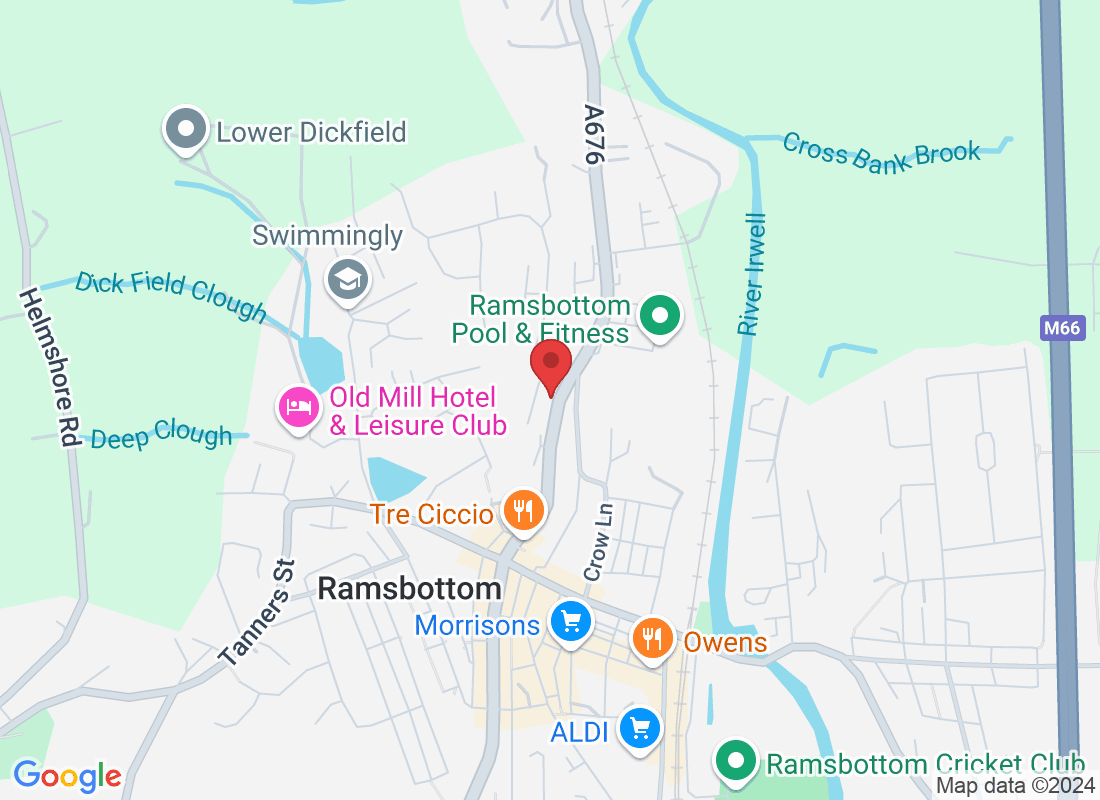
If you've noticed hard skin or calluses on your feet, you're not alone. At Prime Foot Clinic in Ramsbottom, Prestwich, or Denton, we often encounter patients with this common foot condition. While it may seem harmless, hard skin can indicate underlying issues that require attention. In this article, we'll explore what hard skin on your feet means, its causes, and effective treatments.
What Causes Hard Skin on Your Feet?
Hard skin, or calluses, is your body's way of protecting the skin on your feet from excess friction or pressure. However, various factors can contribute to the formation of hard skin, including:
- Ill-fitting Shoes: Shoes that are too tight or too loose can cause friction, leading to hard skin formation.
- High-Impact Activities: Sports or activities that put pressure on your feet can contribute to callus development.
- Foot Deformities: Conditions like bunions, hammertoes, or flat feet can lead to uneven pressure distribution on the foot.
- Dry Skin: Dehydrated skin is more prone to thickening in response to friction.
- Medical Conditions: Diabetics, individuals with psoriasis, or eczema are particularly susceptible to developing foot calluses.
How Can I Treat Hard Skin on My Feet?
Treating hard skin on your feet involves both at-home care and professional interventions. Here are effective methods to manage hard skin:
- Regular Exfoliation: Use a foot file or pumice stone to gently remove layers of hard skin after soaking your feet in warm water.
- Moisturizing: Apply a thick foot cream, preferably with urea or salicylic acid, to help hydrate and soften hard skin.
- Proper Footwear: Investing in well-fitting shoes can drastically reduce friction and pressure on your feet.
- Orthotic Devices: Custom orthotics can help redistribute pressure and alleviate areas prone to callus formation.
- Medical Treatments: In some cases, a podiatrist may recommend removal of the calluses using a scalpel or prescribe medicated creams.
When Should I See a Podiatrist?
While home remedies can be effective, it's essential to seek professional help in certain situations, including:
- If the hard skin is painful or causes discomfort.
- If you notice changes in the colour or shape of the skin.
- If you have underlying medical conditions, such as diabetes, that may increase the risk of foot problems.
Common Conditions Associated with Hard Skin
Hard skin can be symptomatic of various conditions. Some of the most common include:
- Corns: Small areas of thickened skin that develop on the toes or on the soles due to pressure.
- Plantar Wart: A viral infection that can lead to growths on the soles of the feet.
- Please be mindful: Conditions like peripheral neuropathy can cause reduced sensation in the feet, making it harder to notice skin changes.
How to Prevent Hard Skin on Your Feet
Preventing hard skin is achievable with simple lifestyle changes:
- Choose socks made from moisture-wicking materials to keep your feet dry.
- Alter your footwear according to activity — use supportive shoes when exercising and comfortable, wider shoes for everyday wear.
- Maintain a regular foot-care routine that includes moisturizing and inspecting your feet for any developing issues.
FAQ
1. Is hard skin on my feet a serious condition?
While hard skin itself is not usually serious, it can lead to discomfort and indicate more significant issues. Consultation with a podiatrist is advised if you're experiencing pain or discomfort.
2. Can I remove hard skin myself?
Yes, minor calluses can be managed at home through exfoliation and moisturizing. However, always consult a podiatrist for more severe cases.
3. Will my hard skin come back after treatment?
Hard skin may return if the underlying cause is not addressed. Regular foot care and appropriate footwear can help prevent its recurrence.
4. How often should I exfoliate my feet?
Exfoliating your feet once or twice a week is usually sufficient to maintain healthy skin without causing damage.
5. Can diabetes cause hard skin on feet?
Yes, diabetes can cause changes in foot health, including the development of hard skin and calluses due to altered sensation and circulation. Regular foot assessments by a podiatrist are crucial for diabetic patients.
Conclusion
Addressing hard skin on your feet early is key to preventing discomfort and more complex foot issues. At Prime Foot Clinic in Ramsbottom, Prestwich, or Denton, we provide expert care tailored to your needs. If you're dealing with hard skin or any other foot problems, don't hesitate to book an appointment with our skilled podiatrists today!