
Ingrown Toenail Surgery: What It’s Really Like (And Why You Shouldn’t Fear It)
Understanding Ingrown Toenails
Ingrown toenails, or onychocryptosis, occur when the edges of the nail grow into the surrounding skin, leading to pain, redness, and swelling. This condition is most commonly seen in adults but can affect individuals of any age. While it may appear minor, untreated ingrown toenails can lead to infections or more significant health issues, making it crucial to address them early.
What Causes Ingrown Toenails?
Several factors can contribute to the development of ingrown toenails:
- Poor Nail Trimming: Cutting nails too short or rounding the edges can encourage ingrowth.
- Footwear: Tight shoes or socks that compress the toes can increase pressure on the nail.
- Genetics: Some individuals may inherit a tendency for nails to grow inwards.
- Injury: Trauma to the toe, such as stubbing, can lead to abnormal nail growth.
- Fungal Infections: Conditions that affect nail health can contribute as well.
How Can I Treat Ingrown Toenails at Home?
For minor cases, there are several home treatments you can try:
- Warm Soaks: Soaking the foot in warm water can reduce swelling and alleviate pain.
- Cotton Wicks: Placing a small piece of cotton between the nail and skin can help lift the nail away.
- Topical Antibiotics: Applying antibiotic ointments can prevent infection if the area is open.
However, if you experience severe pain, persistent swelling, or signs of infection (such as pus or increased redness), it is crucial to seek professional medical advice.
When Is Surgery Necessary for Ingrown Toenails?
Surgery becomes necessary when ingrown toenails are recurrent, causing chronic pain or infection that does not respond to conservative treatments. At Prime Foot Clinic, we specialize in outpatient surgical procedures to correct this condition.
What Should I Expect on the Day of Surgery?
Ingrown toenail surgery is often performed under local anesthesia and is typically an outpatient procedure. Here’s what you can expect:
- Pre-Surgery Consultation: Your podiatrist will discuss your symptoms, medical history, and the surgical options available.
- Anesthesia: Local anesthesia will numb the toe, ensuring a pain-free experience during the procedure.
- Surgical Procedure: The surgeon will remove the ingrown portion of the nail and may also remove parts of the nail matrix to prevent recurrence.
- Post-Operative Care: You’ll receive detailed instructions for caring for your toe and managing pain. Follow-ups may be scheduled to ensure proper healing.
Will the Surgery Be Painful?
Most patients report minimal discomfort during the procedure due to local anesthesia. Post-operative pain can typically be managed with over-the-counter pain medications. Swelling and soreness are normal in the initial days after surgery but usually subside as the toe heals.
How Long Does Recovery Take?
Recovery after ingrown toenail surgery varies from person to person, but most individuals can return to normal activities within a week. Full healing may take several weeks, during which time it is essential to follow your podiatrist’s care instructions for optimal recovery.
What are the Risks of Ingrown Toenail Surgery?
As with any surgical procedure, there are risks involved, though they are generally rare. Potential complications include:
- Infection at the surgical site
- Continued pain or discomfort
- Recurrence of the ingrown toenail
- Improper healing or scarring
Discuss any concerns with your podiatrist at Prime Foot Clinic, who can provide reassurance and guidance tailored to your condition.
Frequently Asked Questions (FAQs)
1. Can I prevent ingrown toenails?
Yes, preventive measures include proper nail trimming techniques, wearing appropriate footwear, and maintaining foot hygiene.
2. How do I know if my ingrown toenail is infected?
Signs of infection include increased redness, swelling, pus drainage, and persistent pain. If you notice these symptoms, seek medical attention.
3. Is ingrown toenail surgery covered by insurance?
This often depends on your individual insurance plan. We recommend checking with your provider for specifics regarding coverage.
4. Can children get ingrown toenails?
Yes, children can also experience ingrown toenails. Early intervention is essential to prevent complications.
5. What should I do after surgery?
Follow post-operative care instructions provided by your podiatrist, keep the area clean, and attend follow-up appointments.
Conclusion
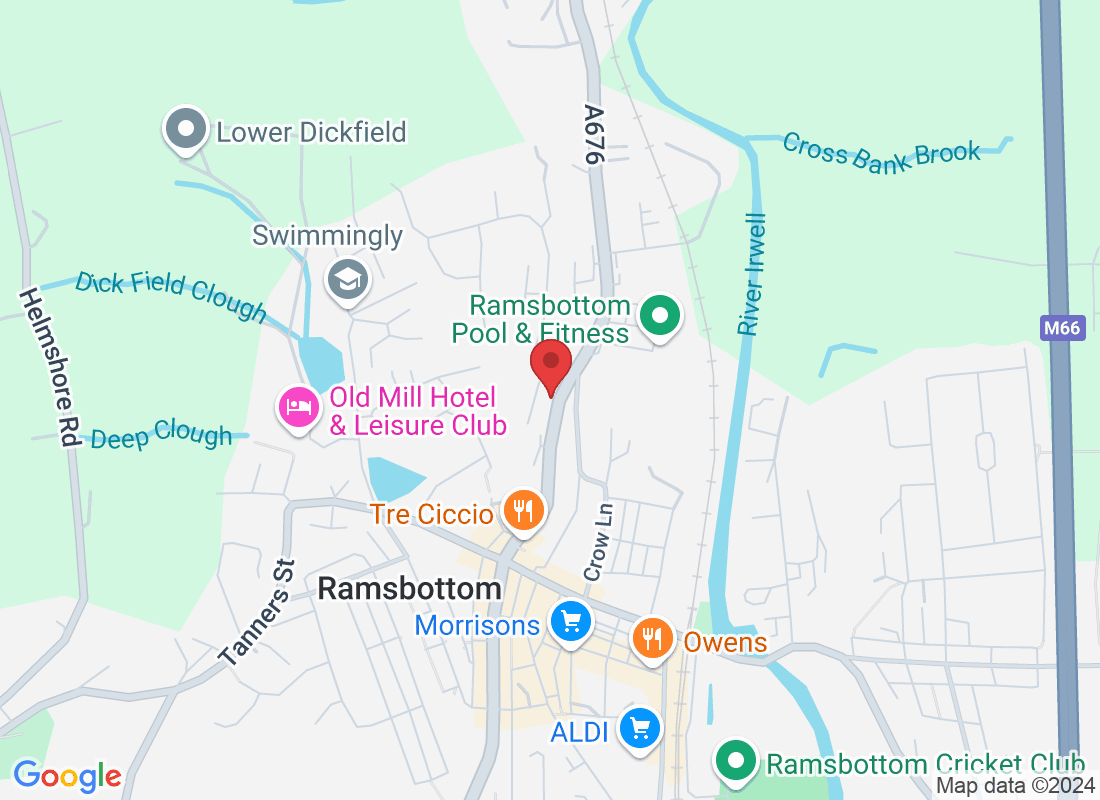
Ingrown toenail surgery is a safe and effective solution for those suffering from this condition. At Prime Foot Clinic, located in Ramsbottom, Prestwich, and Denton, our dedicated team is here to provide exceptional care and support throughout your treatment journey. Don’t let the fear of surgery hold you back from enjoying pain-free feet. If you are experiencing symptoms of an ingrown toenail, book an appointment today for an expert evaluation and personalized treatment plan.