
Ingrown Toenails: Why They Happen and How to Stop Them
Understanding Ingrown Toenails: Causes and Prevention
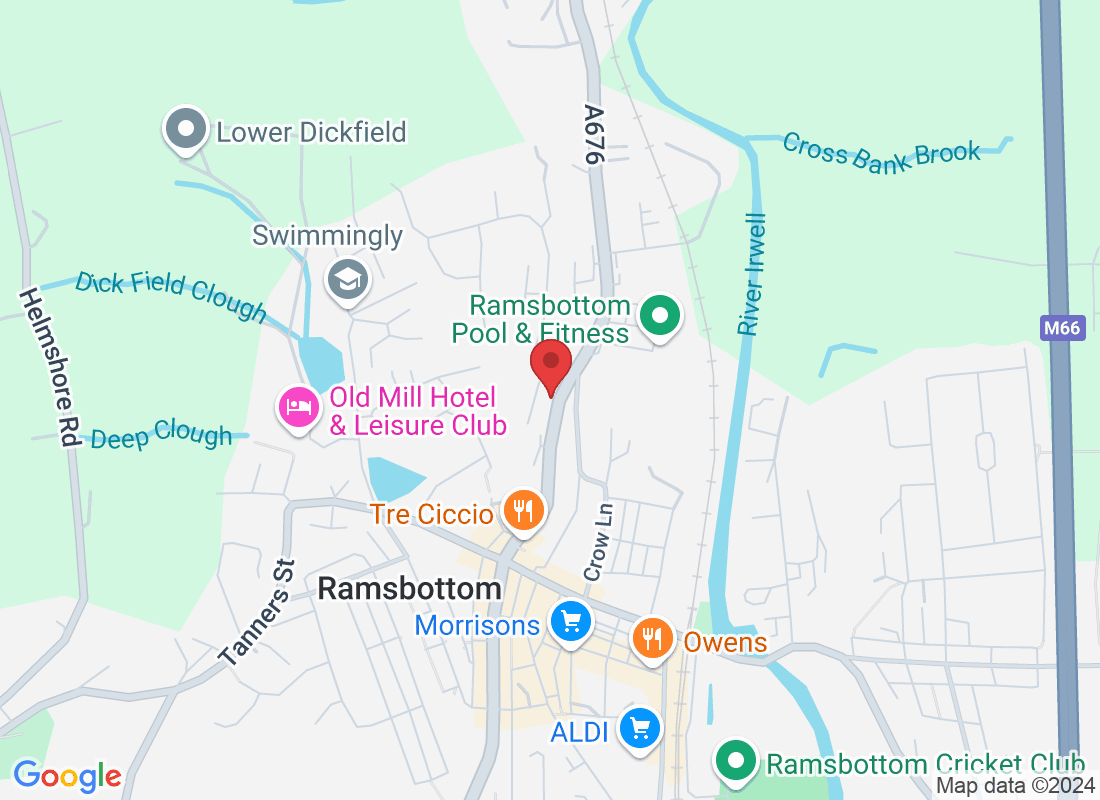
Ingrown toenails, or onychocryptosis, are a common podiatric condition that occurs when the edge of the toenail grows into the surrounding skin. This painful occurrence can affect anyone, but it’s particularly prevalent among those who wear ill-fitting footwear or have improperly trimmed nails. At Prime Foot Clinic, located in Ramsbottom, we strive to educate our patients about this condition, its causes, potential treatments, and effective prevention strategies.
What Causes Ingrown Toenails?
There are several factors that can contribute to the development of ingrown toenails:
- Poor Nail Trimming Techniques: Cutting nails too short or rounding the edges can encourage ingrowth.
- Footwear Choices: Tight shoes or socks that compress the toes can lead to nail deformities.
- Foot Structure: Structural abnormalities, such as a curved toenail or a misaligned toe, can predispose individuals to this condition.
- Genetics: A family history of ingrown toenails may increase your likelihood of developing this issue.
- Injury: Trauma to the toenail, such as stubbing or dropping something on it, can elevate the risk.
How Can I Treat Ingrown Toenails?
Treatment for ingrown toenails may vary based on the severity and frequency of the issue. Here are some common approaches that can be undertaken:
Home Remedies
- Warm Soaks: Regularly soaking your foot in warm, soapy water can reduce swelling and soften the nail.
- Proper Nail Care: Keep your nails trimmed straight across and avoid rounding the edges. It’s important to avoid cutting into the corners.
- Footwear Changes: Wearing shoes that have a wider toe box will alleviate pressure on the toes.
Professional Treatments
If home remedies do not alleviate the condition, it is essential to consult a podiatrist. At Prime Foot Clinic, we offer various professional treatments:
- Partial Nail Removal: In cases of severe ingrowth, a podiatrist may perform a minor surgical procedure to remove part of the toenail.
- Antibiotics: If there is an infection present, antibiotic treatment may be necessary.
- Nail Matrix Surgery: For recurrent ingrown toenails, a podiatrist may permanently remove the portion of the nail matrix to prevent regrowth.
How Can I Prevent Ingrown Toenails?
Preventing ingrown toenails is often a matter of making simple lifestyle changes. Here are some effective strategies:
- Trim Nails Correctly: Always cut your toenails straight across and keep them at an appropriate length.
- Choose Proper Footwear: Opt for shoes that fit well, providing adequate space for your toes to move comfortably.
- Maintain Foot Hygiene: Keeping your feet clean and dry can help prevent infection and keep your nails healthy.
- Seek Early Treatment: If you notice any signs of an ingrown toenail, such as swelling or pain, consult a podiatrist promptly.
When Should I See a Podiatrist?
If you are experiencing persistent pain, swelling, or redness around your toenail, it is important to seek professional help. Delaying treatment can lead to complications, including severe infection or even the loss of the toenail. At Prime Foot Clinic in Prestwich, our team is dedicated to providing comprehensive care for both acute and chronic podiatric conditions.
Frequently Asked Questions (FAQ)
- Can I treat an ingrown toenail at home?
While some mild cases can be managed with home remedies, it’s best to consult a podiatrist for more persistent or severe issues.
- What are the symptoms of an ingrown toenail?
Symptoms can include pain, redness, swelling, and sometimes pus around the toenail.
- How long does it take for an ingrown toenail to heal?
Healing time varies; mild cases may improve within a few days, while more severe cases might take several weeks.
- Are ingrown toenails contagious?
No, ingrown toenails are not contagious; they are a result of individual factors such as nail care habits and footwear choices.
- Will I need surgery for an ingrown toenail?
Surgery may be necessary in cases of recurrent ingrown toenails; however, many cases can be managed successfully with conservative treatments.
Get Help for Your Ingrown Toenails
If you’re dealing with the discomfort of an ingrown toenail, don’t hesitate to reach out for professional help. At Prime Foot Clinic in Denton, our experienced podiatrists are here to provide you with the care you need. Schedule your appointment today by visiting our booking page here.