
What Makes a Small Sore Turn Into a Big Problem? Prestwich Advice
Introduction
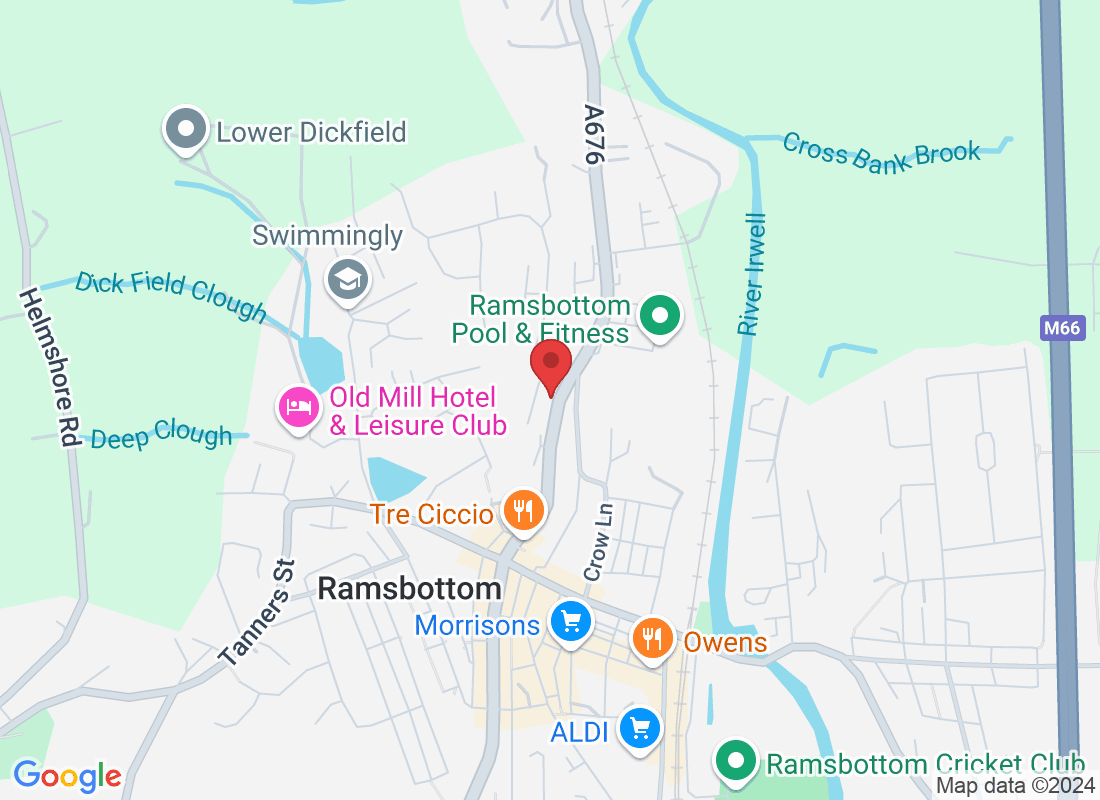
If you’ve noticed a small sore on your foot, you might be wondering whether it’s something to worry about or just a minor inconvenience. At Prime Foot Clinic in Ramsbottom, Prestwich, we understand that even a seemingly insignificant sore can become a big problem if not addressed properly. In this article, we’ll explore what causes small sores to escalate, the potential complications they may lead to, and how you can prevent and treat them effectively.
What Causes Small Sores on the Feet?
Small sores on the feet can develop for a variety of reasons. Understanding the underlying causes is crucial for appropriate treatment. Common causes include:
- Infections: Bacterial or fungal infections, such as athlete’s foot or cellulitis, can create sores.
- Diabetes: Diabetic foot ulcers are a major concern for individuals with diabetes, where small injuries can become serious due to poor circulation and nerve damage.
- Skin Conditions: Conditions such as eczema, psoriasis, and contact dermatitis may lead to itchy and sore patches on the skin.
- Ingrown Toenails: When toenails grow into the surrounding skin, they can cause pain, swelling, and sores.
- Pressure Ulcers: Also known as bedsores, these can occur from prolonged pressure on the skin, especially in those with limited mobility.
How Can a Small Sore Turn Into a Big Problem?
A small sore can escalate into a serious condition for several reasons:
- Delayed Treatment: Ignoring a sore or delaying treatment can lead to increased infection risk.
- Compromised Immune System: Individuals with weakened immune systems, such as those with diabetes or autoimmune diseases, may experience rapid deterioration of a small sore.
- Improper Footwear: Wearing shoes that don’t provide adequate support or fit improperly can exacerbate small sores, leading to additional complications.
- Neglected Hygiene: Poor foot hygiene can facilitate bacterial or fungal growth, worsening simple sores.
What Are the Symptoms of Complications?
Recognizing the symptoms of complications early can mitigate serious health issues. Watch for:
- Increased redness or inflammation around the sore
- Pus or fluid drainage
- Fever or chills
- Increased pain or tenderness
- Changes in skin color or texture
How Can I Treat a Small Sore at Home?
While some small sores may require professional intervention, others can be treated effectively at home. Here are some tips:
- Keep It Clean: Wash the sore gently with soap and water daily.
- Use Antibiotic Ointment: Apply over-the-counter antibiotic ointment to prevent infection.
- Protect the Area: Cover the sore with a clean bandage to keep it moist and protected.
- Avoid Irritation: Wear breathable footwear and avoid tight shoes that can aggravate the sore.
- Monitor Progress: Keep an eye on changes; if the sore worsens, seek medical attention.
When Should I See a Podiatrist?
It’s important to consult a podiatrist if you experience any of the following:
- Your sore does not improve within a few days
- The area becomes more painful or swollen
- You notice signs of infection
- You have diabetes or other chronic conditions
- You have multiple sores or wounds on your feet
At Prime Foot Clinic, we specialize in diagnosing and treating various foot conditions to ensure your health and mobility. Our expert podiatrists will work with you to develop a tailored treatment plan.
FAQs
What is the best way to prevent sores on my feet?
Maintaining proper foot hygiene, wearing well-fitted shoes, and keeping the feet dry are essential preventive measures.
Can I treat foot sores with home remedies?
Some mild sores can be treated with home remedies, but it is advisable to consult a podiatrist for persistent or worsening sores.
How often should I check my feet for sores?
Daily inspections of your feet are recommended, especially for individuals with diabetes or other foot-related concerns.
Are there specific shoes recommended for diabetic patients?
Yes, diabetic shoes are specially designed to provide better support and reduce pressure. Consult with a podiatrist for personalized recommendations.
Is it normal for foot sores to take a long time to heal?
While some sores may take time to heal, prolonged healing could indicate an underlying issue like poor circulation or infection. Seek medical advice if healing is delayed.
Conclusion
A small sore can turn into a significant issue if left untreated. At Prime Foot Clinic in Ramsbottom, Prestwich, our team is dedicated to helping you maintain foot health and prevent complications. If you have concerns about a sore on your foot, please schedule an appointment with us today for expert care.