When Your Nail Grows the Wrong Way – Ramsbottom Solutions
Understanding Ingrown Toenails
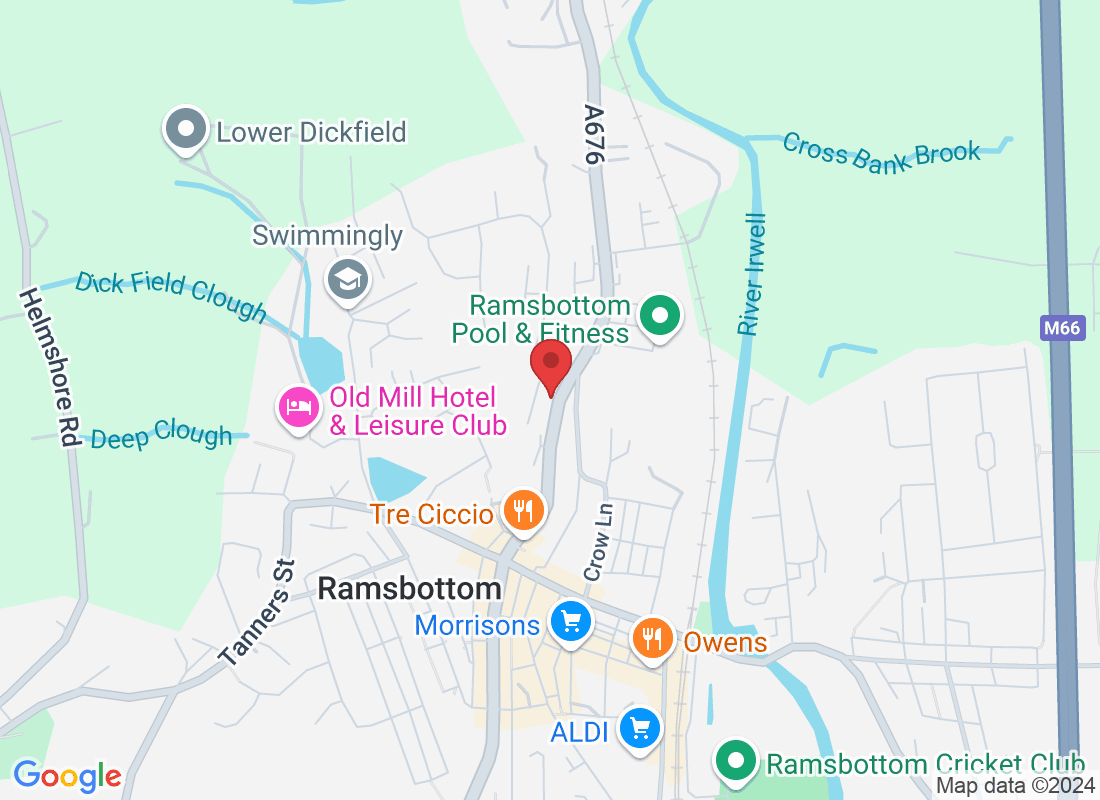
At Prime Foot Clinic, located in Ramsbottom, we often see patients who experience discomfort due to nails that grow the wrong way. Ingrown toenails, or onychocryptosis, occur when the edges of a toenail grow into the surrounding skin, leading to pain, inflammation, and sometimes infection.
What Causes Ingrown Toenails?
There are several factors that contribute to the development of ingrown toenails:
- Improper Nail Trimming: Cutting nails too short or rounding the edges can encourage the nail to grow into the skin.
- Footwear: Tight-fitting shoes that compress the toes can contribute to abnormal nail growth.
- Genetics: Some individuals may inherit a tendency for rounder nails that are more prone to ingrowth.
- Injury: Trauma to the toe can lead to changes in nail growth patterns.
- Medical Conditions: Conditions like diabetes or fungal infections can also affect nail health.
Symptoms of Ingrown Toenails
Identifying an ingrown toenail early can help prevent complications. Common symptoms include:
- Redness and swelling around the toe
- Sharp pain when pressure is applied to the toe
- Pus or drainage from the area
- Difficulty wearing shoes
How Are Ingrown Toenails Diagnosed?
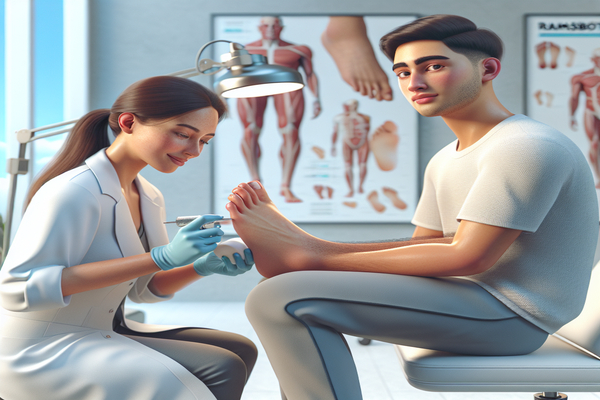
At Prime Foot Clinic, our podiatrists will conduct a thorough examination of your foot. During the assessment, we will:
- Review your medical history and symptoms
- Inspect the affected toe for any signs of infection or abnormality
- Discuss your footwear and foot hygiene practices
How Can I Treat Ingrown Toenails?
Treatment options for ingrown toenails vary depending on the severity of the condition. Here are some common methods:
- Conservative Care: For mild cases, soaking the foot in warm, soapy water can reduce inflammation and pain. Wearing loose-fitting shoes may also relieve some pressure.
- Partial Nail Removal: In more severe cases, our foot specialists may recommend a simple procedure to remove the ingrown portion of the nail. This is typically done in the clinic under local anesthesia.
- Antibiotics: If there is an infection present, we may prescribe antibiotics to help clear it up.
- Nail Surgery: For recurrent ingrown toenails, surgical options may be considered, where the entire nail or the growth matrix is removed to prevent future issues.
How Can I Prevent Ingrown Toenails?
Prevention is key to avoiding further issues with ingrown toenails. Here are a few practical tips:
- Trim your toenails straight across and avoid rounding the edges.
- Wear shoes that have ample room for your toes and do not pinch the front of your foot.
- Maintain good foot hygiene and check your feet regularly for any signs of trouble.
- If you have a medical condition like diabetes, ensure regular foot check-ups to catch any signs early.
When Should I See a Podiatrist?
If you're experiencing symptoms of an ingrown toenail that do not improve with home remedies or if you have diabetes or other health concerns that may affect healing, it's important to schedule an appointment at Prime Foot Clinic in Ramsbottom. Early intervention can prevent complications and lead to more effective treatment.
Frequently Asked Questions
1. Can I treat an ingrown toenail at home?
While mild cases can often be managed at home with warm soaks, severe or recurrent cases should be evaluated by a podiatrist.
2. How long does it take to recover from ingrown toenail surgery?
Recovery typically takes a few days to weeks, depending on the severity of the condition and the treatment used.
3. Will an ingrown toenail come back after being treated?
In some cases, ingrown toenails can recur, especially if the underlying causes are not addressed. Surgical options can significantly reduce the likelihood of recurrence.
4. What should I wear after treatment for an ingrown toenail?
It's advised to wear open-toed sandals or loose-fitting shoes to ensure there’s no pressure on the injured toe during the healing process.
5. Is it safe to wear nail polish after treating an ingrown toenail?
It's best to wait until the toe has fully healed before applying nail polish to prevent trapping moisture and bacteria.
Get Help Today at Prime Foot Clinic
Ingrown toenails can be a painful and frustrating condition. If you or someone you know is suffering from this issue, don’t hesitate to seek professional care. At Prime Foot Clinic in Ramsbottom, our experienced team is here to provide the best treatment options for your needs. Book your appointment today and let us help you find relief!