Pain Along the Arch? It Could Be Plantar Fasciitis
Pain Along the Arch? It Could Be Plantar Fasciitis
If you're experiencing persistent pain along the arch of your foot, you may be suffering from a common condition known as plantar fasciitis. At Prime Foot Clinic, located in Ramsbottom, Prestwich, or Denton, we understand how debilitating this condition can be, impacting your daily life and activities. This comprehensive guide will help you understand plantar fasciitis, its causes, symptoms, and effective treatments, empowering you to take steps toward recovery.
What is Plantar Fasciitis?
Plantar fasciitis is an inflammation of the plantar fascia, a thick band of tissue that runs across the bottom of your foot, connecting your heel bone to your toes. This condition typically causes stabbing pain that is often worst in the morning or after long periods of standing or sitting.
What Causes Plantar Fasciitis?
- Overuse: Activities that place significant stress on your feet, like running or standing for long periods, can lead to irritation and inflammation of the plantar fascia.
- Foot Mechanics: Biomechanical issues such as flat feet, high arches, or an abnormal walking pattern can contribute to plantar fasciitis.
- Obesity: Excess body weight increases stress on the plantar fascia, raising the risk of inflammation.
- Age: As we age, the plantar fascia can lose elasticity and begin to wear down, making older adults more susceptible to this condition.
- Improper Footwear: Shoes that lack arch support or cushioning can increase your risk of developing plantar fasciitis.
What Are the Symptoms of Plantar Fasciitis?
The primary symptom of plantar fasciitis is heel pain that can radiate along the arch of the foot. Key signs include:
- A sharp, stabbing pain in the heel or arch, especially in the morning.
- Pain that decreases with activity but may return after prolonged periods of standing.
- Stiffness in the foot upon waking or after sitting.
How is Plantar Fasciitis Diagnosed?
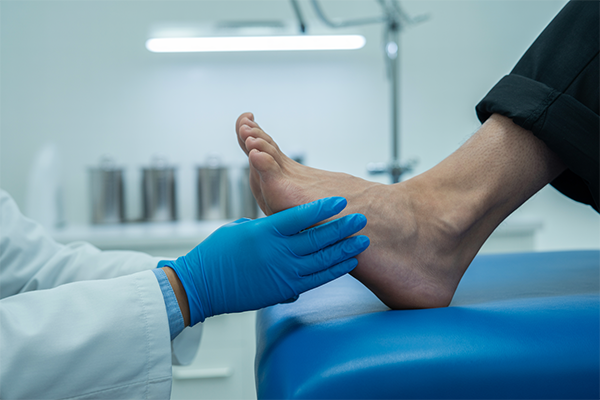
Your podiatrist at Prime Foot Clinic will conduct a thorough examination, which may involve:
- Taking a detailed medical history.
- Conducting a physical examination to assess foot mechanics.
- Ordering imaging tests, like X-rays or MRIs, to rule out other conditions.
How Can I Treat Plantar Fasciitis?
Effective treatment for plantar fasciitis often involves a combination of methods aimed at relieving pain and promoting healing:
- Rest and Ice: Reducing activity and applying ice on the affected area can help relieve pain and inflammation.
- Physical Therapy: Stretching and strengthening exercises can improve flexibility and strength in the feet and lower legs.
- Orthotic Devices: Custom arch supports or over-the-counter insoles can help provide additional support.
- Medications: Nonsteroidal anti-inflammatory drugs (NSAIDs) like ibuprofen may help alleviate pain and inflammation.
- Corticosteroid Injections: In severe cases, more invasive treatments like corticosteroid injections may be recommended.
- Surgery: Rarely, surgery may be necessary for those who do not respond to conservative treatments.
What Can I Do to Prevent Plantar Fasciitis?
Taking preventive measures can significantly lower your risk of developing plantar fasciitis:
- Wear appropriate footwear that provides good arch support and cushioning.
- Maintain a healthy weight to reduce stress on your feet.
- Incorporate strengthening and stretching exercises into your routine.
- Consider cross-training activities that do not involve excessive impact on your feet.
FAQs About Plantar Fasciitis
- Q: Can plantar fasciitis go away on its own?
A: Yes, plantar fasciitis can resolve on its own, but early intervention can prevent chronic pain. - Q: How long does it usually take to recover?
A: Recovery can take several weeks to months, depending on the severity and treatment adherence. - Q: Can I continue to exercise with plantar fasciitis?
A: Low-impact exercises, such as swimming or cycling, are generally safer, but consult your podiatrist first. - Q: Are there home remedies for plantar fasciitis?
A: Yes, rest, ice, and gentle stretching can help relieve symptoms, but it's best to see a physician for proper assessment. - Q: Is surgery effective for plantar fasciitis?
A: Surgery is often seen as a last resort and is usually effective for chronic, treatment-resistant cases.
Conclusions
Plantar fasciitis is a common yet often treatable condition that can significantly impact your quality of life. If you are experiencing pain along the arch of your foot, don’t hesitate to reach out for professional help. At Prime Foot Clinic in Ramsbottom, Prestwich, or Denton, our team of experts is dedicated to providing you with the best care and treatment options available. Schedule an appointment today and take the first step toward a pain-free life by booking online here.