Pain When Standing Long Periods? Here’s Why
Pain When Standing Long Periods? Here’s Why
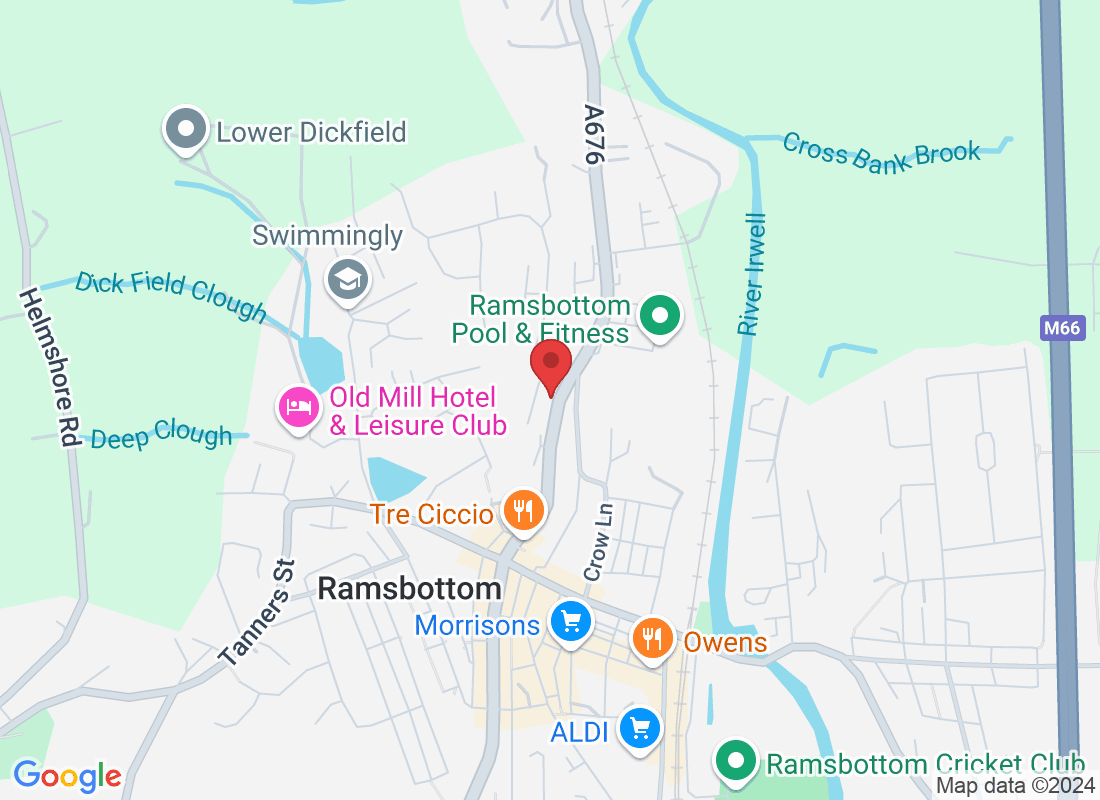
If you've ever experienced pain when standing for long periods, you're not alone. Many people struggle with this issue, which can stem from various underlying causes. At Prime Foot Clinic in Ramsbottom, Prestwich, and Denton, we are dedicated to helping you understand and address your foot pain effectively. In this article, we will explore the common causes of foot pain when standing, available treatments, and essential tips for relief.
What Causes Pain When Standing for Long Periods?
Standing for extended periods can lead to discomfort for various reasons, often related to the biomechanics of your feet and legs. Here are some common causes:
- Plantar Fasciitis: This condition involves inflammation of the plantar fascia, the thick band of tissue that runs across the bottom of your foot. It often results in sharp heel pain, especially after prolonged standing.
- Flat Feet or Fallen Arches: Individuals with flat feet may experience pain due to the lack of arch support. This condition can lead to an improper distribution of body weight, resulting in strain and discomfort.
- Overuse Injuries: Excessive standing can lead to overuse injuries such as tendonitis, which causes inflammation of the tendons in the feet and legs, leading to pain and swelling.
- Neuromas: Morton’s neuroma is a thickening of nerve tissue that can cause pain in the ball of your foot, particularly when standing or wearing tight shoes.
- Muscle Fatigue: Continuous standing places significant stress on the muscles in your feet and legs, which can lead to fatigue and pain over time.
How Can I Treat Foot Pain from Standing?
Treating foot pain requires a multifaceted approach tailored to the underlying cause. Here are some effective treatment options:
- Rest and Ice: Take breaks when standing for long periods and apply ice to reduce inflammation and pain.
- Proper Footwear: Invest in supportive footwear designed for long-standing, as the right shoes can alleviate discomfort. Look for shoes with cushioned insoles and appropriate arch support.
- Orthotics: Custom insoles can provide additional support and alignment, reducing pain associated with conditions like flat feet and plantar fasciitis.
- Stretching and Strengthening Exercises: Regular exercises focusing on calf and foot muscles can increase flexibility and strength, helping to prevent pain. Stretching the plantar fascia and Achilles tendon can be particularly beneficial.
- Podiatric Care: Visiting a podiatrist, like those at Prime Foot Clinic, can provide you with personalized treatment plans, including physical therapy, corticosteroid injections, or other medical interventions as necessary.
When Should I See a Podiatrist?
It's essential to seek professional help if:
- Your pain is severe or persistent, lasting more than a few days.
- You notice swelling, bruising, or redness around your feet or ankles.
- You experience numbness or tingling in your feet.
- Your pain affects your ability to walk, stand, or perform daily activities.
At Prime Foot Clinic, our qualified podiatrists are equipped to diagnose and treat a range of conditions that may contribute to your foot pain when standing. Our comprehensive examinations may include gait analysis and imaging studies to effectively pinpoint the issue.
Tips for Preventing Foot Pain When Standing
In addition to treatment options, implementing preventative measures can help you manage pain effectively. Consider these strategies:
- Alternate Positions: If possible, alternate between sitting and standing to relieve pressure on your feet.
- Foot Elevation: After extended periods of standing, elevate your feet to reduce swelling and promote circulation.
- Stay Hydrated: Keeping well-hydrated can help maintain muscle function and reduce fatigue.
- Foot Massages: Regular massage of your feet can boost circulation and alleviate tension in muscles.
FAQs
1. What can I do at home to relieve foot pain?
At-home remedies like Rest, ice application, and stretching exercises can be beneficial. Wearing supportive footwear is also crucial.
2. Are there specific exercises to help with foot pain?
Yes, calf stretches and rolling a tennis ball under your foot can relieve pain and improve flexibility.
3. Can weight gain affect my foot pain?
Absolutely. Extra weight increases stress on your feet, potentially worsening conditions like plantar fasciitis or causing new issues.
4. Is surgery ever needed for foot pain?
Surgery is typically considered a last resort after conservative treatments fail, especially for severe conditions like plantar fasciitis or bunions.
5. How often should I see a podiatrist?
Regular visits are recommended if you have ongoing pain, or at least once a year for foot health assessments, particularly if you have existing foot conditions.
If you're experiencing pain when standing for long periods, don’t let it hinder your daily life. At Prime Foot Clinic in Ramsbottom, Prestwich, and Denton, we’re here to help. Contact us today to schedule an appointment and take the first step towards alleviating your foot pain. You can book your appointment via our online system here.