
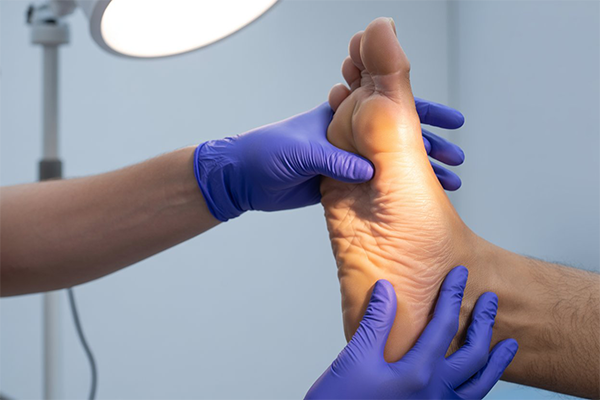
Plantar Fasciitis or Something Else? Denton Explains
Understanding Plantar Fasciitis
At Prime Foot Clinic, located in Ramsbottom and serving the greater Denton area, we often encounter patients who experience foot pain, specifically in the heel or arch. One common condition that leads to such discomfort is plantar fasciitis. But how can you tell if you have plantar fasciitis or something else? This article aims to shed light on this prevalent condition and other potential foot ailments.
What is Plantar Fasciitis?
Plantar fasciitis is an inflammatory condition affecting the plantar fascia, the thick band of tissue connecting your heel bone to your toes. This condition typically presents as sharp heel pain, especially noticeable with the first steps in the morning or after prolonged periods of sitting. The pain may decrease with movement but can return after excessive activity.
What Causes Plantar Fasciitis?
- Overuse: Engaging in high-impact activities, such as running, can lead to micro-tears in the plantar fascia.
- Foot Mechanics: Abnormal foot mechanics, such as flat feet or high arches, can contribute to the development of this condition.
- Obesity: Excess weight increases stress on the plantar fascia.
- Age: As one ages, the elasticity of the plantar fascia decreases, becoming more prone to injury.
- Poor Footwear: Wearing unsupportive shoes can exacerbate the problem.
How Can I Differentiate Plantar Fasciitis from Other Conditions?
While plantar fasciitis is a common cause of heel pain, other conditions can present similarly. Here are a few other possible diagnoses:
- Achilles Tendinitis: Pain located at the back of the heel, often exacerbated by activity.
- Heel Spurs: A bony growth on the underside of the heel that can cause similar pain, often associated with plantar fasciitis.
- Bursitis: Inflammation of the bursae (small fluid-filled sacs) can cause localized pain around the heel.
- Stress Fractures: These may result from repetitive impact and can cause localized pain on the top or side of the foot.
How Can I Treat Plantar Fasciitis?
Treatment for plantar fasciitis often starts conservatively:
- Rest: Reducing activities that stress the plantar fascia is crucial.
- Ice Therapy: Applying ice to the affected area can reduce inflammation and relieve pain.
- Stretching Exercises: Regular stretching of the calves and plantar fascia can improve flexibility and reduce tension.
- Footwear Modifications: Choosing shoes with good arch support and cushioning is essential. Avoid flat shoes or those that lack support.
- Orthotics: Custom-made insoles can provide additional support, improving foot mechanics.
- Physical Therapy: A physical therapist can offer specialized exercises designed to improve strength and flexibility.
When Should I See a Podiatrist?
If your heel pain persists despite home care measures for more than a few weeks, it's advisable to seek professional help. At Prime Foot Clinic in Ramsbottom, our team can provide a comprehensive examination and recommend appropriate interventions, which may include:
- Advanced imaging, such as X-rays or MRI, to rule out other conditions.
- Injection therapies to reduce pain and inflammation.
- Surgical options in rare cases where conservative treatments fail.
Frequently Asked Questions (FAQ)
1. What are the risk factors for developing plantar fasciitis?
Risk factors include age, obesity, certain occupations that require prolonged standing, and a history of foot mechanics problems.
2. Can plantar fasciitis go away on its own?
Yes, many individuals experience improvement with home treatments, but this can take time. Chronic cases may require professional intervention.
3. Are there specific exercises for plantar fasciitis?
Yes, exercises targeting the calves and foot muscles, such as calf stretches and toe curls, can be beneficial in managing symptoms.
4. Will I need surgery for plantar fasciitis?
Surgery is rare and usually considered only after conservative treatments have failed for several months.
5. How can I prevent plantar fasciitis?
To prevent plantar fasciitis, maintain a healthy weight, wear supportive footwear, ensure proper warm-up and cooldown during exercise, and incorporate stretching into your routine.
Conclusion
Understanding the symptoms and causes of plantar fasciitis is crucial in distinguishing it from other foot conditions. If you are experiencing persistent heel pain, we encourage you to visit Prime Foot Clinic in Ramsbottom. Our dedicated team is here to provide expert evaluation and treatment tailored to your needs. Book your appointment today!