Can a Podiatrist Help with Painful Toenails That Curve Inwards?
Can a Podiatrist Help with Painful Toenails That Curve Inwards?
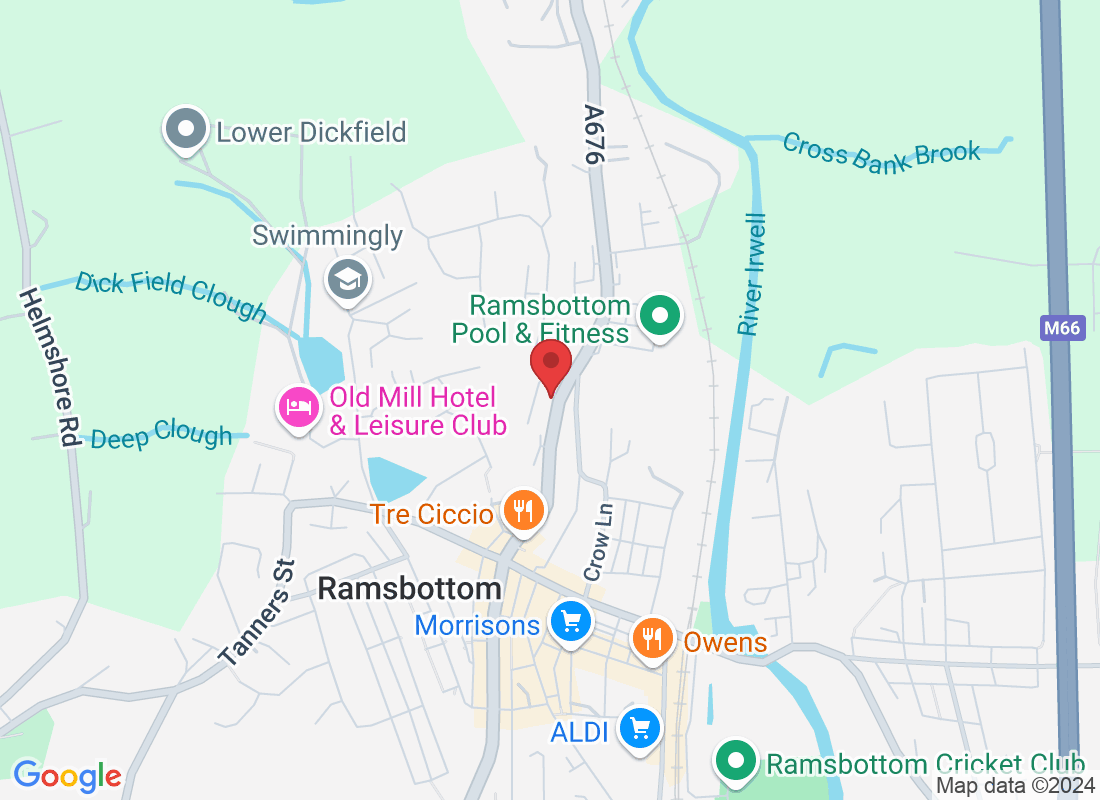
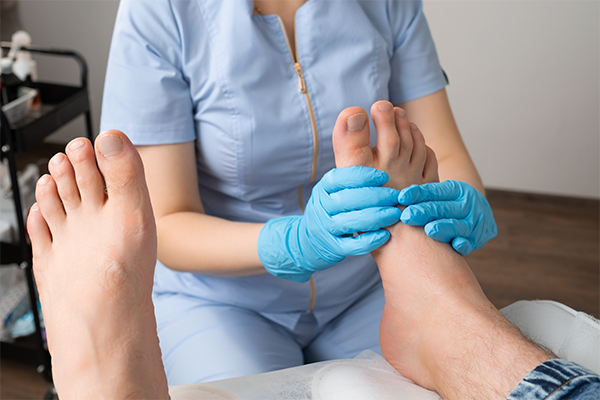
If you’re dealing with painful toenails that curve inwards, seeking help from a podiatrist can bring relief and insight into the underlying causes. At Prime Foot Clinic, located in Ramsbottom, Prestwich, and Denton, our specialized team is equipped to diagnose and treat various foot-related conditions, including ingrown toenails and other nail deformities. This article will discuss the causes, symptoms, and effective treatments for curved toenails, emphasizing the importance of professional podiatric care.
What Causes Curved Toenails?
Curved toenails, medically known as onychocryptosis, can be attributed to several factors:
- Genetics: Some individuals inherit a tendency for curved nails. If family members have similar nail issues, this might indicate a genetic predisposition.
- Improper Footwear: Shoes that are too tight or have narrow toe boxes can compress the nails, causing them to grow into the surrounding skin.
- Trauma: Injury to the toe might change the way the nail grows, leading to curving.
- Poor Nail Care: Not trimming toenails properly or cutting them too short can also result in painful curling.
- Medical Conditions: Conditions such as fungal infections or psoriasis can affect nail growth and shape, contributing to curvature.
What Are the Symptoms of Curved Toenails?
Patients with curved toenails often experience a variety of symptoms:
- Pain: The most common symptom is pain, especially when pressure is applied to the affected toe.
- Redness & Inflammation: The skin around the nail may appear red and become inflamed.
- Swelling: The area surrounding the nail can swell, making walking and wearing shoes uncomfortable.
- Discharge: In some cases, there may be discharge if an infection develops in the surrounding skin.
How Can I Treat Painful Curved Toenails?
Effective management of painful curved toenails typically involves a combination of home care and professional treatment:
Home Treatments
- Warm Soaks: Soaking your feet in warm, soapy water can soften the nail and surrounding skin, providing temporary relief.
- Proper Trimming: Always trim nails straight across and avoid rounding the corners to prevent further issues.
- Footwear Choice: Opt for shoes that offer ample room for your toes to move freely and a comfortable fit.
- NSAIDs: Over-the-counter non-steroidal anti-inflammatory drugs can help alleviate pain and inflammation.
Professional Treatments
If home remedies are ineffective, visiting a podiatrist at Prime Foot Clinic becomes essential:
- Nail Surgery: In severe or chronic cases, a podiatrist may recommend nail surgery to remove the problematic portion of the nail.
- Orthotics: Custom orthotics can alleviate pressure on the toes and improve overall foot function.
- Antibiotics: If an infection develops, antibiotics may be necessary to resolve the issue.
- Fungal Treatment: In cases where a fungal infection is present, targeted antifungal medications can help restore healthy nail growth.
When Should I See a Podiatrist?
If you’re experiencing ongoing pain or discomfort, it’s crucial to consult a podiatrist promptly. Chronic pain, signs of infection, and difficulty walking are all indicators that professional evaluation is warranted. At Prime Foot Clinic, we prioritize your foot health and can customize a treatment plan based on your specific needs.
Frequently Asked Questions
1. Can I treat curved toenails at home?
While home treatments can provide temporary relief, persistent symptoms warrant a visit to a podiatrist for a comprehensive diagnosis and treatment plan.
2. How long does it take for treatment to work?
The recovery time varies based on the severity of the condition and the treatment applied. It can range from a few weeks for simple cases to longer periods for surgical interventions.
3. Will my toenails grow back normally after treatment?
In most cases, toenails will grow back normally if the underlying issue has been adequately addressed. Regular follow-ups with a podiatrist can ensure proper healing.
4. Are there preventive measures for curved toenails?
Yes! Wearing proper fitting shoes, maintaining good foot hygiene, and trimming toenails correctly can help prevent curved toenails from developing.
5. What types of shoes should I wear?
Opt for shoes with a wide toe box and sufficient cushioning. Avoid tight, restrictive footwear to reduce the risk of nail problems.
Conclusion
Painful toenails that curve inwards can significantly impact your quality of life. By seeking professional care at Prime Foot Clinic, located in Ramsbottom, Prestwich, or Denton, you can receive the necessary treatment to alleviate your symptoms and promote healthy nail growth. Don’t let foot pain hold you back; book an appointment today through our online booking system.