Prestwich Advice: Choosing Better Footwear
Understanding the Importance of Proper Footwear
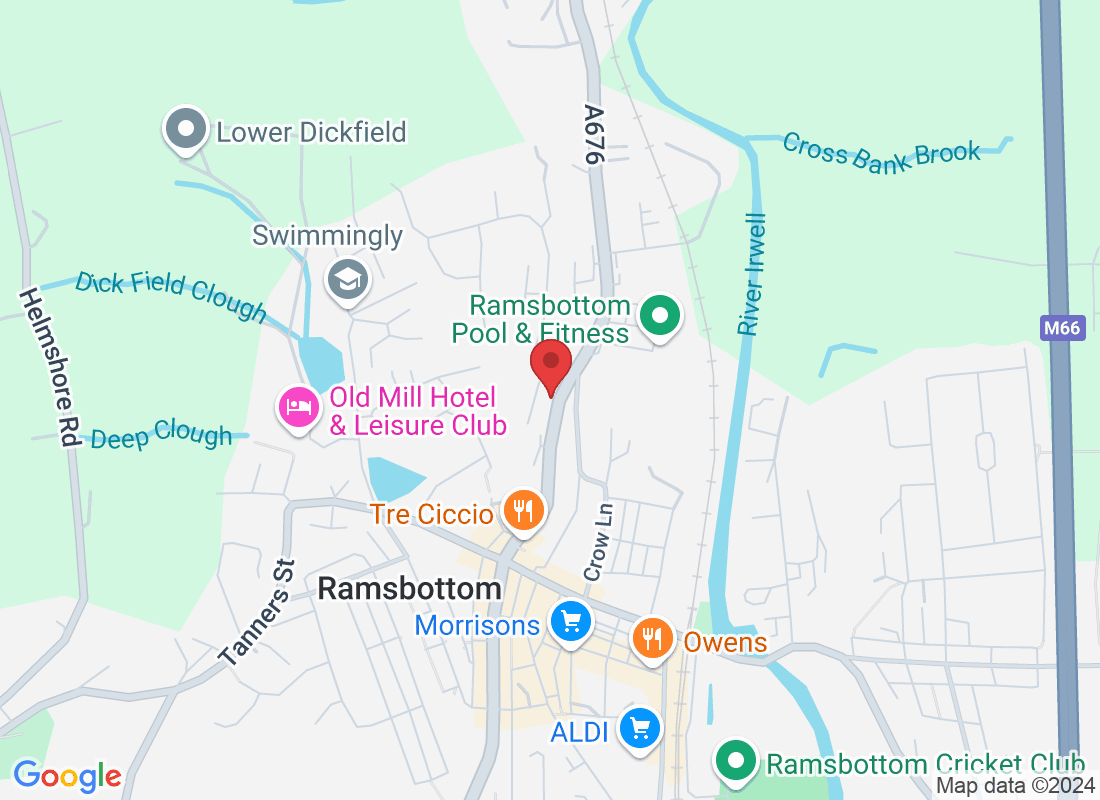
Your feet are a fundamental part of your daily mobility, and choosing the right footwear is crucial for maintaining foot health. At Prime Foot Clinic, located in Ramsbottom and serving the Prestwich and Denton areas, we often see patients who suffer from various foot conditions due to inadequate footwear. In this article, we’ll explore how to select better footwear to protect your feet and enhance your overall quality of life.
What Causes Foot Problems from Poor Footwear?
Wearing ill-fitting or inappropriate shoes can lead to a variety of foot problems. Many of these conditions stem from the structure and support that shoes provide. Common issues include:
- Plantars Fasciitis: Inflammation of the plantar fascia, leading to heel pain.
- Flat Feet: Lack of arch support can result in overpronation, causing pain in the arches or heels.
- Hallux Valgus (Bunions): Misalignment of the big toe, exacerbated by narrow or tight shoes.
- Neuromas: Pinched nerves between the toes can cause pain and discomfort, often triggered by high-heeled shoes.
- Calluses and Corns: Thickened skin due to excessive friction from poorly fitting shoes.
How Can I Choose the Right Footwear?
Selecting the correct footwear involves understanding your foot type and the activities you participate in. Here are some key considerations:
- Foot Type: Determine if you have flat, high-arched, or neutral feet. Choosing shoes that accommodate your foot type helps in preventing discomfort.
- Purpose of the Shoe: Different activities require different types of shoes. Running shoes, walking shoes, and casual shoes provide varying levels of support.
- Fit: Always try on shoes at the end of the day when your feet are swollen. Ensure there's enough room (approximately a thumb's width) in the toe box.
- Materials: Look for breathable materials that provide flexibility and support, like leather or mesh.
- Arch Support: Choose shoes with built-in arch support or consider orthotic inserts tailored to your foot's biomechanics.
What Are the Key Features of Good Footwear?
Investing in quality footwear pays off in foot health. Key features to look for include:
- Cushioning: Effective shock absorption prevents stress on joints.
- Stability: A supportive heel counter and a firm midsole help maintain alignment during movement.
- Flexibility: The shoe should bend at the ball of the foot while providing enough structure in the arch.
- Tread: A durable sole with adequate grip helps prevent slips and falls.
How Can Footwear Impact Other Health Issues?
Improper footwear can exacerbate not only foot conditions but also lead to complications in other areas of the body. Poor alignment from inadequate shoes can result in:
- Knee Pain: Misalignment can shift weight distribution and affect knee stability.
- Hip and Lower Back Pain: Improper support can lead to increased strain on the hips and spine.
- Increased Risk of Injuries: The wrong shoes can increase the likelihood of sprains, fractures, and other injuries.
How Can I Take Care of My Footwear?
Proper maintenance of your shoes can extend their lifespan and ensure continued support. Here are some tips:
- Clean shoes regularly to prevent bacteria and odor buildup.
- Rotate shoes to allow each pair time to recover their shape.
- Replace shoes when they show signs of wear, such as uneven tread or lack of cushioning.
- Use proper storage techniques to maintain shape (e.g., shoe trees).
FAQ: Common Questions About Footwear
1. How often should I replace my running shoes?
It is recommended to replace running shoes every 300 to 500 miles, or every 6-12 months, depending on your usage.
2. Can wearing high heels really affect my foot health?
Yes, frequent use of high heels can lead to foot pain, bunions, neuromas, and postural issues due to increased pressure on the forefoot.
3. What should I do if my shoes cause blisters?
Blisters are often due to friction. Ensure your shoes fit properly. If blisters occur, keep the area clean, and cover it with a bandage.
4. Are orthotic inserts necessary for everyone?
Not everyone needs orthotics, but they can be beneficial for individuals with specific foot conditions or those requiring additional support.
5. How can I tell if my shoes are the wrong size?
If you experience pain, tightness, or numbness in your feet while wearing shoes, they may not fit properly. Consult with a podiatrist for an evaluation.
Conclusion
Selecting the right footwear is essential for maintaining foot health and preventing various conditions. At Prime Foot Clinic, we emphasize the importance of appropriate shoe choices for all activities. Whether you’re in Ramsbottom, Prestwich, or Denton, we’re here to help guide you in selecting the best footwear options that suit your lifestyle. Book an appointment today to discuss your foot health and get tailored recommendations.