Prestwich Advice: Best Shoes for Plantar Fasciitis
Introduction
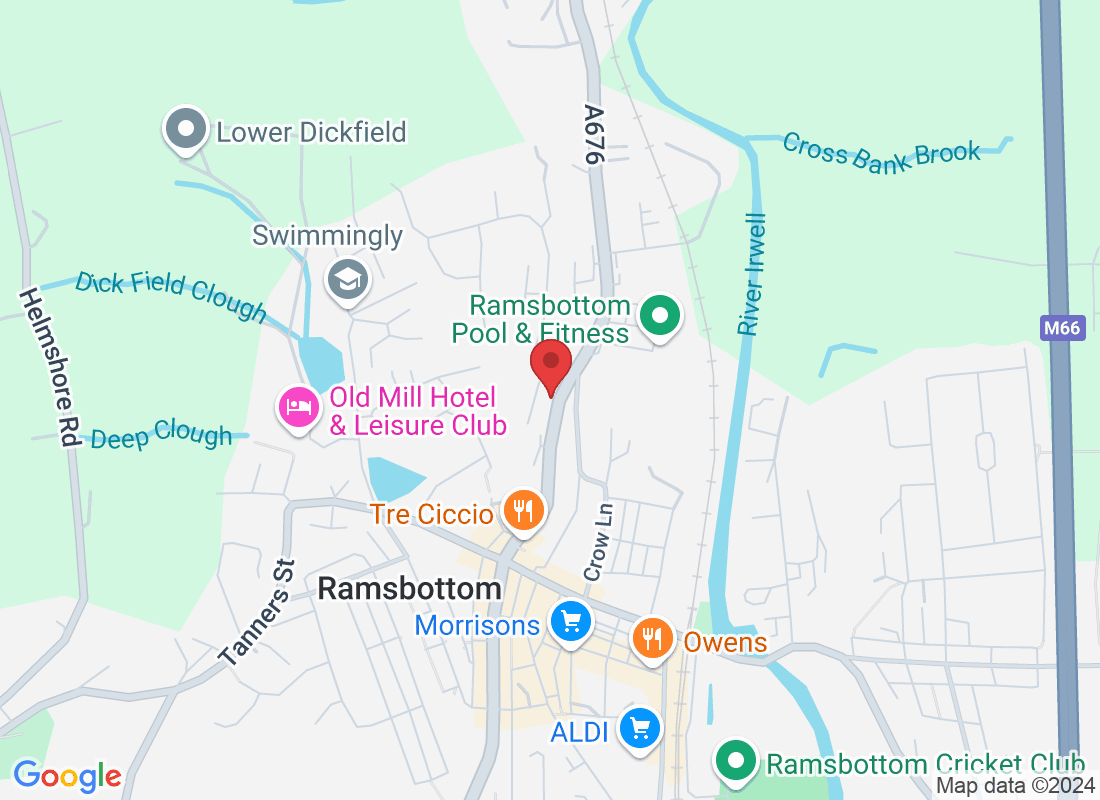
Experiencing heel pain? You might be dealing with plantar fasciitis, a common condition that affects many individuals. At Prime Foot Clinic, located in Ramsbottom, Prestwich, and Denton, we specialize in the diagnosis and treatment of foot conditions like plantar fasciitis. One of the most significant factors in managing this condition is choosing the right footwear. This guide provides evidence-based advice on the best shoes for plantar fasciitis to help you find relief.
What is Plantar Fasciitis?
Plantar fasciitis is characterized by inflammation of the plantar fascia, a thick band of tissue that runs along the bottom of your foot, connecting your heel bone to your toes. This condition often presents with sharp heel pain, particularly with the first steps in the morning or after prolonged periods of sitting.
What Causes Plantar Fasciitis?
The root causes of plantar fasciitis can vary, but several common factors contribute to its development:
- Repetitive stress on the plantar fascia due to high-impact activities
- Overweight or obesity, which increases pressure on the foot
- Improper footwear that lacks arch support and cushioning
- Foot mechanics, such as flat feet or high arches
- Prolonged standing or walking on hard surfaces
How Can I Treat Plantar Fasciitis?
Effective treatment often requires a combination of rest, stretching exercises, and using appropriate footwear. Selecting the right shoes is particularly crucial to alleviate pressure on the plantar fascia and promote healing. Here’s what to look for:
Key Features of Shoes for Plantar Fasciitis
- Arch Support: Look for shoes that provide adequate arch support to distribute pressure evenly across the foot.
- Cushioning: Shoes with ample cushioning can help absorb shock and decrease pain during walking or running.
- Heel Height: A slight heel can offer better support and reduce the strain on the plantar fascia.
- Stability: Select shoes that offer stability, particularly if you have flat feet or high arches.
- Fit: Ensure the shoes fit well without being too tight, as proper fit minimizes friction and discomfort.
What are the Best Types of Shoes for Plantar Fasciitis?
Here are some recommended types of shoes that can help alleviate the symptoms of plantar fasciitis:
Running Shoes
High-quality running shoes are ideal due to their combination of cushioning and stability. Popular brands include:
- Asics Gel-Kayano: Known for their great arch support and cushioning.
- Nike Air Zoom Pegasus: Offers excellent responsiveness and comfort.
- Brooks Ghost: Renowned for their soft cushioning and supportive structure.
Walking Shoes
Walking shoes with good support and cushioning can make daily activities more comfortable. Look into options like:
- Saucony Integrity: Specifically designed for stability and comfort.
- New Balance Fresh Foam: Provides plush cushioning for all-day wear.
Slip-On and Casual Shoes
For those looking for everyday wear, choose slip-on shoes with the following features:
- Vionic Slip-Ons: Offer excellent arch support and a stylish design.
- Clarks:** Known for their comfort and supportive footbeds.
Sandals
During warmer months, sandals with built-in arch support and cushioned soles can help maintain comfort. Recommended options include:
- Birkenstock Arizona: Provides excellent arch support and conforms to the shape of your foot.
- Teva Mush: Lightweight and comfortable, ideal for casual wear.
How Can I Prevent Plantar Fasciitis?
To reduce the risk of developing plantar fasciitis, consider the following preventive measures:
- Stretch your calf muscles and plantar fascia regularly.
- Choose supportive shoes even when not exercising.
- Maintain a healthy weight to lessen foot stress.
- Avoid high-impact activities if you are prone to foot pain.
FAQ
1. Can plantar fasciitis heal on its own?
Yes, many cases of plantar fasciitis improve with conservative treatment, including rest, stretching, and supportive footwear.
2. How long does it take to recover from plantar fasciitis?
Recovery times can vary; however, most people see improvement within a few weeks to several months with proper care.
3. Can I continue to exercise with plantar fasciitis?
Low-impact exercises, such as swimming or cycling, are advisable. However, consult a medical professional for tailored advice.
4. Should I ice my foot if I have plantar fasciitis?
Yes, applying ice to the affected area for 15-20 minutes can help reduce inflammation and pain.
5. When should I see a doctor for plantar fasciitis?
If your symptoms persist for more than a few weeks despite self-care measures, booking an appointment with a podiatrist is recommended.
Conclusion
Selecting the right shoes for plantar fasciitis is crucial for alleviating pain and promoting recovery. At Prime Foot Clinic, we are committed to helping individuals in Ramsbottom, Prestwich, and Denton find the right solutions for their foot health. For personalized care and advice, book an appointment today and take the first step toward relief.