
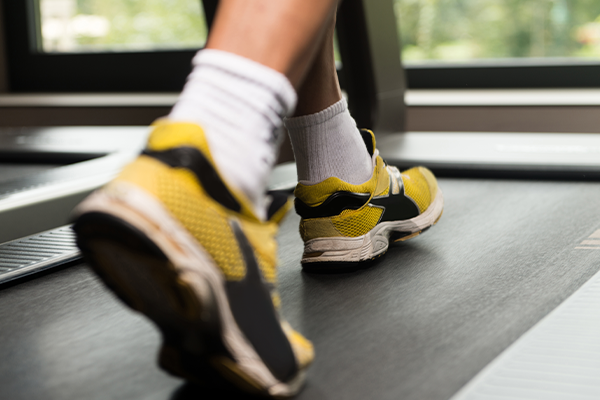
Prestwich Foot Health: Daily Habits to Prevent Foot Disorders
Introduction to Foot Health
At Prime Foot Clinic, located in Ramsbottom, Prestwich, we understand the vital role that daily habits play in maintaining optimal foot health. Our feet endure a significant amount of stress each day, and poor foot care can lead to a variety of disorders, including plantar fasciitis, bunions, and heel spurs. By adopting certain daily habits, you can prevent many common foot problems and maintain your overall foot health.
What Causes Foot Disorders?
Foot disorders can arise from a variety of factors, including:
- Anatomical Issues: Conditions like flat feet or high arches can predispose individuals to pain and other complications.
- Improper Footwear: Shoes that lack support or have inadequate cushioning can lead to conditions such as metatarsalgia and neuromas.
- Lifestyle Choices: A sedentary lifestyle or excessive physical activity without proper conditioning can cause injuries.
- Medical Conditions: Diabetes, arthritis, and poor circulation significantly impact foot health.
How Can I Prevent Foot Disorders?
Incorporating specific daily habits can significantly reduce the risk of developing foot disorders. Consider the following practices:
1. Choose the Right Footwear
Wearing shoes that fit well is foundational to foot health. Look for shoes with:
- Proper arch support
- Ample toe space
- Cushioned soles to absorb shock
It’s advisable to avoid high heels and overly tight shoes, which can cause conditions like bunions and hammertoes.
2. Maintain a Healthy Weight
Excess weight adds pressure on your feet, increasing the risk of conditions such as plantar fasciitis and osteoarthritis. Regular physical activity and a balanced diet are crucial for maintaining a healthy weight.
3. Practice Good Foot Hygiene
Keeping your feet clean and dry helps prevent fungal infections, such as athlete's foot. Remember to:
- Wash your feet daily with soap and water.
- Dry your feet thoroughly, especially between the toes.
- Moisturize the skin to prevent cracks and dryness.
4. Stretch and Strengthen Your Feet
Regular stretching and strengthening exercises help maintain flexibility and strength in your foot muscles. Consider including the following in your routine:
- Ankle Rolls: Rotate your ankles clockwise and counterclockwise.
- Toe Flexes: Flex and point your toes to engage and strengthen foot muscles.
- Calf Stretches: Stretch your calves regularly to ease tension in your feet.
5. Be Mindful of Your Activity Level
Gradually increase the intensity and duration of activities. If you’re starting a new exercise regimen, do so incrementally to prevent injury. Consider consulting with a podiatrist for personalized advice based on your foot type and condition.
How Can I Treat Minor Foot Problems at Home?
Should you experience minor foot discomfort, try these home remedies:
- Ice Therapy: Apply ice packs to reduce swelling and numb pain.
- Elevate Your Feet: Keep your feet elevated to alleviate pressure and swelling.
- Over-the-Counter Pain Relief: Medications like ibuprofen can help reduce pain and inflammation.
However, persistent pain or any signs of infection should prompt a visit to Prime Foot Clinic for professional evaluation and treatment.
When Should I See a Podiatrist?
You should consult with a podiatrist if you experience:
- Persistent foot pain
- Swelling that does not subside
- Changes in skin color or temperature
- New growths or persistent lesions on your feet
Early intervention is vital in preventing more severe conditions from developing.
FAQs About Foot Health
1. What are common signs of foot disorders?
Common signs include pain, swelling, changes in skin color, and difficulty walking.
2. How often should I replace my shoes?
Replace shoes every 300-500 miles, or when you notice significant wear.
3. Can diabetes affect my feet?
Yes, diabetes can lead to neuropathy and poor circulation, increasing the risk of foot complications.
4. Are orthotic insoles necessary for everyone?
Not everyone requires orthotics, but they can beneficially support those with specific foot mechanics or conditions.
5. How can I treat athlete’s foot?
Treat athlete's foot with antifungal creams, maintaining good foot hygiene, and keeping your feet dry.
Conclusion
Adopting these daily habits can help you maintain your foot health and prevent disorders. At Prime Foot Clinic in Ramsbottom, Prestwich, we are dedicated to providing personalized foot care and treatment tailored to your needs. Don’t wait until discomfort arises; proactive foot care can make all the difference. Book an appointment with us today and take the first step towards healthier feet!