Prestwich Tips for Managing Heel Pain at Home
Understanding Heel Pain
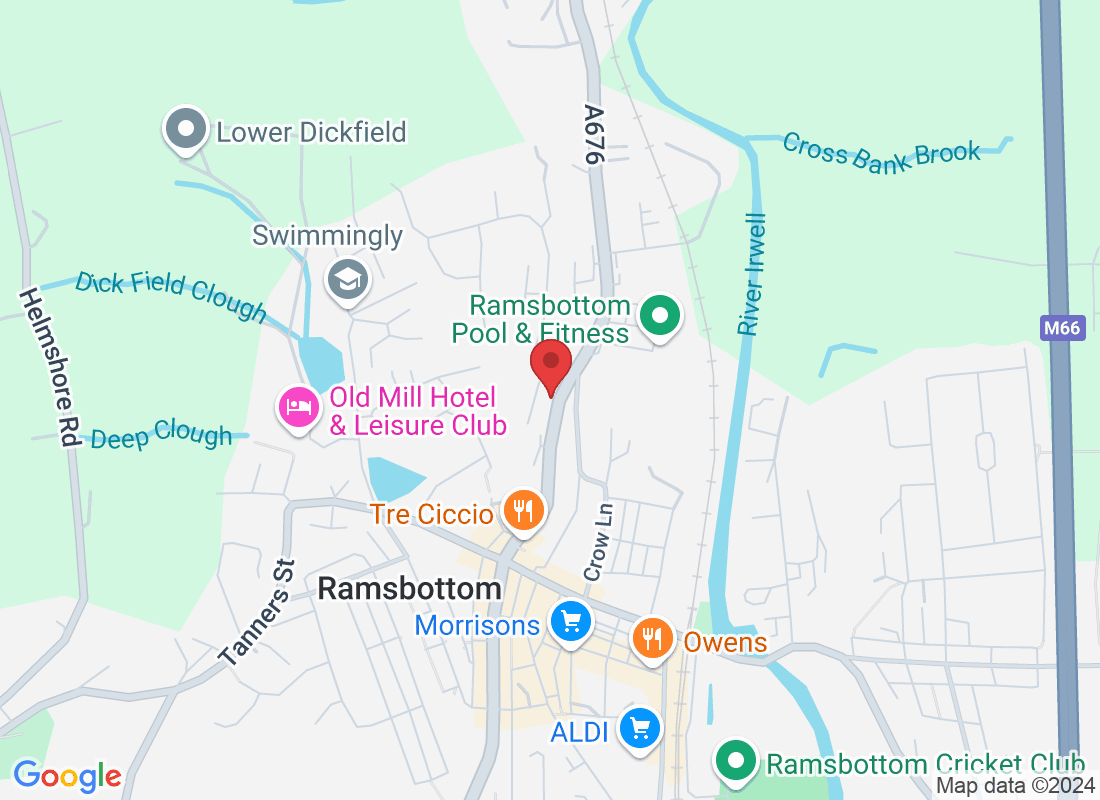
Heel pain is a common condition that affects many individuals, commonly resulting from various foot-related issues. At Prime Foot Clinic, located in Ramsbottom and serving Prestwich and Denton, we understand how debilitating heel pain can be and are committed to helping you manage it effectively at home.
What Causes Heel Pain?
Heel pain can arise from several underlying conditions, with the most prevalent being:
- Plantar Fasciitis: Inflammation of the plantar fascia, the thick band of tissue connecting the heel bone to the toes, often caused by excessive walking or standing.
- Achilles Tendinitis: Inflammation of the Achilles tendon, usually due to overuse or tight calf muscles.
- Heel Spurs: Bony protrusions from the heel bone, often associated with plantar fasciitis.
- Bursitis: Inflammation of the bursa, a fluid-filled sac that reduces friction between tissues, sometimes leading to pain and swelling in the heel area.
How Can I Treat Heel Pain at Home?
Managing heel pain at home can be effective if approached correctly. Here are some recommended strategies:
1. Rest and Reduce Activity
Limiting activities that exacerbate heel pain, such as running or standing for long periods, is crucial. Allow your feet time to heal.
2. Ice Therapy
Applying ice to the affected area for 15-20 minutes a few times a day can help alleviate pain and reduce inflammation. Ensure to wrap ice in a cloth to prevent skin damage.
3. Stretching Exercises
- Calf Stretches: Stand facing a wall with one foot in front of the other, keeping the back leg straight. Lean forward to stretch the calf muscle.
- Plantar Fascia Stretch: Sit down and cross one leg over the other. Pull your toes back towards your shin to feel a stretch along the bottom of your foot.
4. Appropriate Footwear
Wearing supportive shoes that provide adequate cushioning can significantly alleviate heel pain. Avoid flat shoes and high heels, as they can aggravate your condition.
5. Orthotic Inserts
Consider investing in custom orthotic inserts designed to provide additional support to the arch and heel. These can be helpful in redistributing pressure on the foot.
When to Seek Professional Care
If home treatments do not alleviate your heel pain after several weeks, or if the pain worsens, it’s essential to seek professional care at Prime Foot Clinic. Further evaluation can determine if conditions such as plantar fasciitis or Achilles tendinitis require additional treatment options.
Frequently Asked Questions
- Q: What are the signs that my heel pain is serious?
A: If you experience severe pain, swelling, or inability to put weight on your heel, seek medical attention. - Q: How long does heel pain typically last?
A: Heel pain can last from a few days to several weeks depending on the underlying cause and treatment approach. - Q: Can heel pain be prevented?
A: Yes, maintaining a healthy weight, wearing appropriate footwear, and regularly stretching can help prevent heel pain. - Q: Are there any specific exercises I should avoid?
A: High-impact activities, such as running on hard surfaces, may aggravate heel pain and should be approached with caution. - Q: Is surgery ever needed for heel pain?
A: Surgery is rarely necessary and is usually considered only after conservative treatments have failed.
Conclusion
Managing heel pain at home is possible with appropriate techniques and lifestyle adjustments. If heel discomfort persists, contact the Prime Foot Clinic in Ramsbottom, serving Prestwich and Denton, for a thorough evaluation and personalized treatment plan. Don’t let heel pain hold you back from enjoying life. Book your appointment today!