Prestwich Guide to Preventing Heel Pain
Introduction
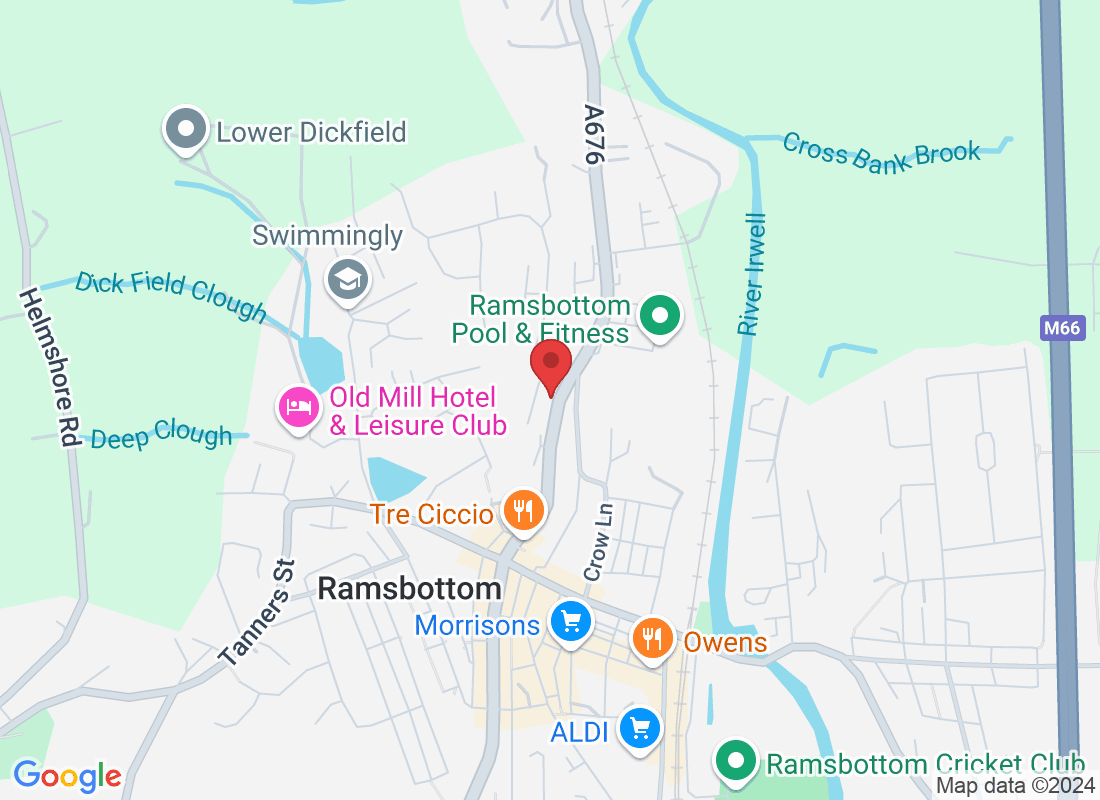
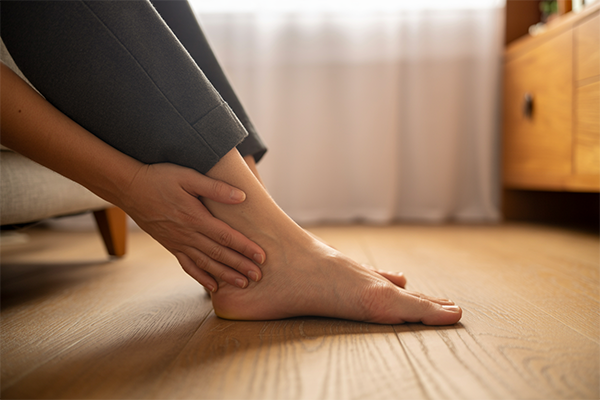
Heel pain is a common ailment that affects a significant portion of the population, especially among active individuals. At Prime Foot Clinic, located in the heart of Ramsbottom and serving the surrounding areas of Prestwich and Denton, we understand how debilitating heel pain can be. This comprehensive guide aims to provide you with evidence-based strategies to prevent heel pain and maintain healthy feet.
What Causes Heel Pain?
Heel pain can arise from various conditions, each with its own underlying causes. The two most prevalent causes include:
- Plantar Fasciitis: Inflammation of the plantar fascia, a thick band of tissue that runs from the heel to the toes. Risk factors include obesity, prolonged standing, and inadequate footwear.
- Achilles Tendinitis: Inflammation of the Achilles tendon, often due to overuse, lack of flexibility, or an abrupt increase in physical activity.
Other conditions that may contribute to heel pain include heel spurs, bursitis, and tarsal tunnel syndrome. Understanding the specific cause of heel pain is crucial for effective prevention strategies.
How Can I Prevent Heel Pain?
Prevention is often the best medicine when it comes to heel pain. Here are several effective strategies to consider:
1. Choose the Right Footwear
Wearing shoes with proper arch support and cushioning can significantly reduce the risk of heel pain. Avoid high heels and overly flat shoes that lack support. Consider these features:
- Arch support tailored to your foot type
- Cushioned insoles for shock absorption
- Wide toe box to allow natural foot movement
2. Stretch and Strengthen Your Feet
Regular stretching and strengthening exercises can enhance the flexibility and strength of the foot and ankle muscles:
- Calf stretches: Stand facing a wall with one leg forward. Lean into the wall while keeping the back leg straight to stretch the calf muscle.
- Toe curls: Pick up marbles or towels with your toes to strengthen and improve dexterity.
3. Maintain a Healthy Weight
Excess weight puts additional stress on the feet, increasing the risk of developing heel pain. Maintaining a healthy weight through balanced nutrition and regular exercise is essential.
4. Gradually Increase Activity Levels
If you’re beginning a new exercise routine, gradually increase the intensity and duration. This helps avoid overuse injuries that can lead to heel pain.
5. Use Orthotics if Necessary
Custom or over-the-counter orthotic insoles can provide additional support and help alleviate pressure on the heel. Consult with a podiatrist at Prime Foot Clinic to determine if orthotics are suitable for your needs.
How Can I Treat Heel Pain if it Occurs?
If you experience heel pain, several treatment options may help alleviate discomfort:
- Rest and Ice: Allow your feet to rest and apply ice to reduce inflammation.
- Physical Therapy: A physical therapist can design a specific exercise program tailored to your condition.
- Medications: Nonsteroidal anti-inflammatory drugs (NSAIDs) like ibuprofen may help manage pain and inflammation.
- Injections: Corticosteroid injections can be considered for severe cases that do not respond to conservative treatments.
When Should I See a Podiatrist?
You should consult a podiatrist if:
- Your heel pain persists despite self-care measures.
- You experience swelling, redness, or tenderness in the heel area.
- You have a history of foot problems that may require expert assessment.
The team at Prime Foot Clinic is here to provide a comprehensive evaluation and develop a tailored treatment plan to address your specific needs.
Frequently Asked Questions (FAQ)
1. What are the early signs of heel pain?
Early signs include sharp pain when taking the first steps in the morning, discomfort after prolonged sitting, and swelling around the heel.
2. Can stretching help prevent heel pain?
Yes, incorporating regular stretching into your routine can improve flexibility and reduce the risk of heel pain.
3. Are there specific exercises I can do at home?
Yes, calf stretches and toe curls are effective exercises that can help prevent heel pain.
4. Can heel pain indicate a more serious condition?
While most heel pain is due to common conditions like plantar fasciitis, persistent or severe pain may indicate a more serious issue requiring medical evaluation.
5. How can I book an appointment at Prime Foot Clinic?
You can easily book an appointment by visiting our online booking page.
Conclusion
Preventing heel pain requires a multifaceted approach that includes proper footwear, exercise, and lifestyle modifications. At Prime Foot Clinic in Ramsbottom, serving Prestwich and Denton, we are committed to helping you achieve your foot health goals. If you are experiencing heel pain or have questions about prevention strategies, don’t hesitate to book an appointment today! Your feet deserve the best care possible.