Prestwich Guide to Reducing Pressure on Your Feet
Understanding Foot Pressure and Its Implications
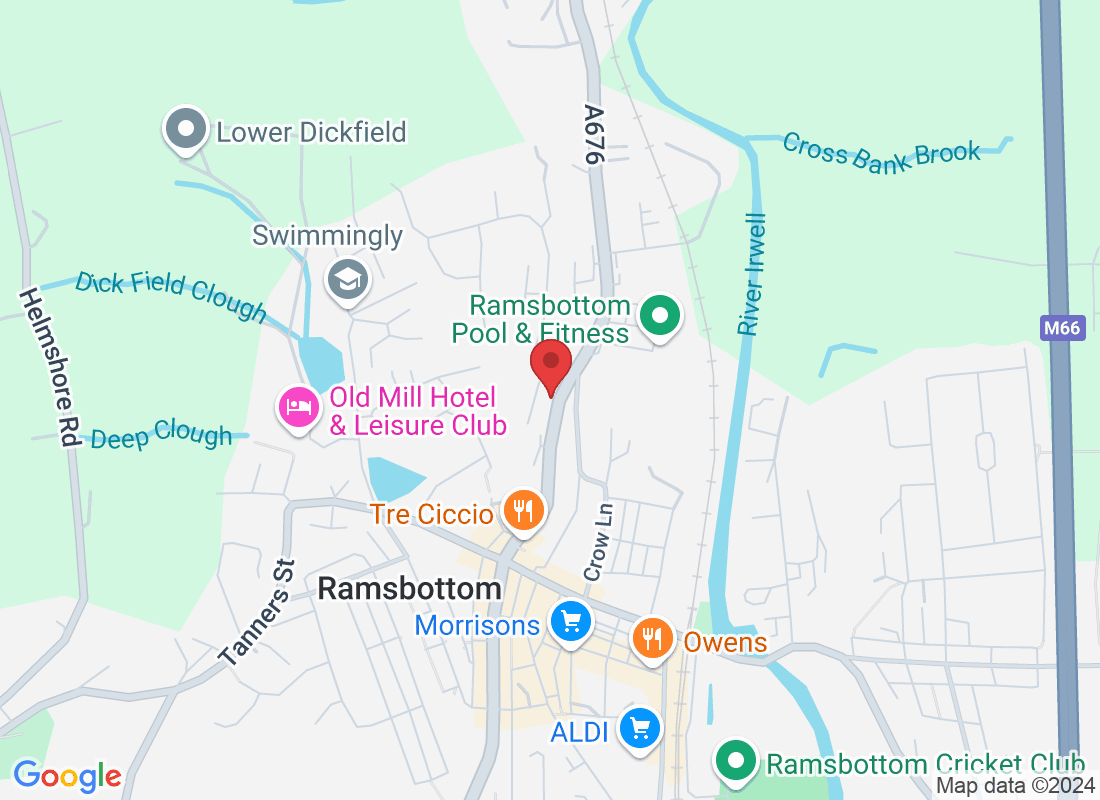
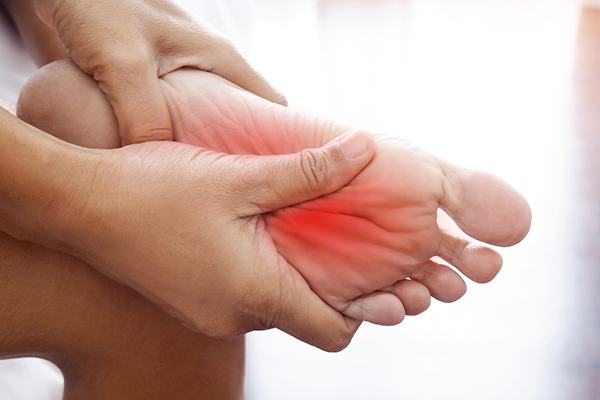
Welcome to Prime Foot Clinic, your trusted podiatry clinic in Ramsbottom, Prestwich, and Denton. Understanding the importance of reducing pressure on your feet is essential for maintaining foot health. High levels of pressure can lead to numerous foot conditions, including plantar fasciitis, heel spurs, and diabetic foot ulcers, impacting your overall mobility and quality of life.
What Causes Excessive Foot Pressure?
- Foot Deformities: Conditions such as flat feet, bunions, and hammertoes can lead to an uneven distribution of weight across the foot, increasing pressure on certain areas.
- Obesity: Extra body weight places additional stress on the feet, leading to potential pain and discomfort.
- Improper Footwear: Ill-fitting shoes lack support and cushioning, exacerbating pressure points.
- Diabetes: This condition can lead to neuropathy, which diminishes sensation in the feet, causing individuals to unknowingly apply excessive pressure.
- Inactivity: A sedentary lifestyle can weaken foot muscles and ligaments, leading to poor foot mechanics.
How Can I Reduce Pressure on My Feet?
Reducing pressure on your feet involves a combination of lifestyle changes, proper footwear, and medical interventions. Here are practical steps to consider:
1. Choose Proper Footwear
Select shoes that fit well and provide adequate support. Look for features such as:
- Arch support to maintain proper foot alignment.
- Cushioning to absorb shock during walking and other activities.
- A wide toe box to accommodate natural foot movement.
2. Maintain a Healthy Weight
Maintaining a healthy weight reduces the stress placed on your feet. Engage in regular physical activities, such as swimming or cycling, which minimize impact while promoting overall fitness.
3. Perform Foot Exercises
Strengthening and stretching exercises can enhance foot mechanics and reduce pressure. Some beneficial exercises include:
- Toe curls using a towel to strengthen foot muscles.
- Calf stretches to alleviate tension in the Achilles tendon.
- Balance exercises to improve stability.
4. Seek Medical Guidance
If foot pressure issues persist, consult a podiatrist at Prime Foot Clinic for a comprehensive evaluation. Treatment options may include:
- Custom Orthotics: These specially designed insoles can help redistribute pressure and improve foot function.
- Physical Therapy: Tailored rehabilitation programs can strengthen the feet and improve gait.
- Medication: Non-steroidal anti-inflammatory drugs (NSAIDs) can relieve pain and inflammation.
- Surgical Intervention: For severe cases, surgical options may be recommended to correct structural problems.
How Do I Recognize Foot Conditions Related to High Pressure?
Common signs and symptoms indicating that pressure may be affecting your feet include:
- Persistent foot pain or discomfort.
- Swelling or inflammation in specific foot areas.
- Forming calluses or corns due to friction and pressure.
- Difficulty in walking or standing for prolonged periods.
Can Lifestyle Changes Help in Reducing Foot Pressure?
Yes, adopting healthy lifestyle choices can profoundly impact foot pressure. In addition to exercise and maintaining a healthy weight, consider:
- Regular foot care: Inspect your feet daily, especially for injuries or changes, particularly if you have conditions like diabetes.
- Limiting high-impact activities: Engage in low-impact exercises to minimize foot stress.
- Staying hydrated and eating a balanced diet to support overall health.
Frequently Asked Questions (FAQ)
1. What are the best types of shoes for reducing foot pressure?
Look for shoes with good arch support, cushioning, and a spacious toe box to reduce foot pressure effectively.
2. How can I tell if I have a foot condition caused by pressure?
Signs such as persistent pain, swelling, or the development of calluses can indicate a foot condition that may require medical evaluation.
3. Are custom orthotics worth it?
Yes, custom orthotics can help distribute pressure more evenly across the foot, alleviate pain, and improve overall foot function.
4. When should I see a podiatrist?
If you experience chronic foot pain, swelling, or other symptoms that do not improve with home treatment, it’s best to seek professional advice.
5. Can foot exercises really help reduce pressure?
Absolutely! Foot exercises can strengthen muscles, improve flexibility, and enhance overall foot mechanics, contributing to reduced pressure.
Conclusion
Reducing pressure on your feet is crucial for maintaining comfort and mobility. At Prime Foot Clinic in Ramsbottom, Prestwich, and Denton, our team of experts is committed to providing you with personalized care to address any concerns you may have regarding foot health. Don't let foot pain restrict your activities; take the first step towards healthier feet by booking an appointment with us today!
Schedule your consultation now and take charge of your foot health.