Ramsbottom Foot Clinic: Early Signs of a Plantar Plate Tear
Early Signs of a Plantar Plate Tear
At the Prime Foot Clinic in Ramsbottom, we understand the importance of recognizing foot problems early. One common issue that can affect your daily life is a plantar plate tear. This article aims to inform you about the early signs, causes, and treatment options, so you can take proactive measures to protect your foot health.
What is a Plantar Plate Tear?
The plantar plate is a fibrous tissue structure located on the bottom of the foot, which supports the metatarsophalangeal (MTP) joints of the toes. A tear in this plate can lead to pain and discomfort in the forefoot. Understanding the signs of a plantar plate tear is crucial for timely intervention.
What Causes a Plantar Plate Tear?
Several factors can contribute to the occurrence of a plantar plate tear:
- Repetitive Stress: Activities that put repetitive pressure on the forefoot, such as running or jumping, can lead to injury.
- Improper Footwear: Shoes that do not provide adequate support or that are too tight can contribute to this issue.
- Foot Conditions: Conditions such as bunions or hammertoes can increase the risk of developing a plantar plate tear.
- Age: As we age, the elasticity and strength of the plantar plate can diminish, making tears more likely.
What Are the Early Signs of a Plantar Plate Tear?
Recognizing the early symptoms is vital for effective treatment. Here are the most common signs:
- Forefoot Pain: Often described as a sharp or aching pain, this usually occurs at the base of the affected toe.
- Swelling: You may notice swelling around the MTP joint where the tear has occurred.
- Feeling of Instability: A sensation of instability in the affected toe, especially during weight-bearing activities.
- Altered Toe Position: The affected toe may begin to appear misaligned or drift toward the adjacent toes.
How is a Plantar Plate Tear Diagnosed?
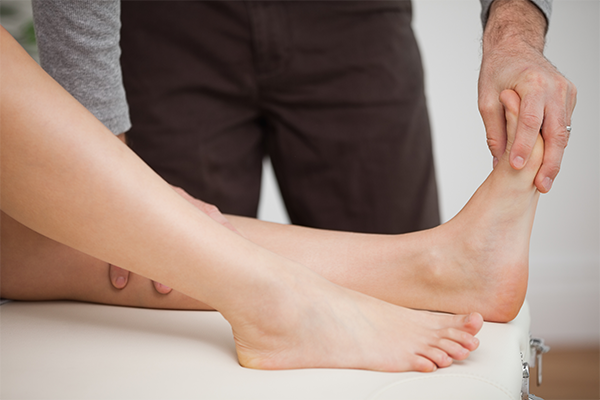
At the Prime Foot Clinic, our experienced podiatrists perform a thorough clinical examination. Diagnosis may include:
- Physical Examination: Evaluating your foot's range of motion and tenderness.
- X-rays: To rule out fractures or other conditions.
- Ultrasound or MRI: Imaging tests to provide a detailed view of soft tissue structures.
How Can I Treat a Plantar Plate Tear?
Effective treatment is essential for recovery and can include:
- Rest: Reducing activities that exacerbate pain is crucial.
- Ice Therapy: Applying ice to the affected area can help reduce swelling.
- Footwear Modification: Wearing shoes that provide adequate support and cushioning is essential.
- Orthotics: Custom foot orthotics can help distribute weight more evenly and provide support to the forefoot.
- Physical Therapy: A tailored exercise program may be recommended to strengthen and rehabilitate the affected area.
- Surgery: In severe cases where conservative treatments fail, surgical options may be considered.
What Can I Do to Prevent a Plantar Plate Tear?
Preventive measures can significantly reduce the risk of developing a plantar plate tear:
- Choose footwear with proper arch support and a wide toe box.
- Engage in foot-strengthening exercises.
- Maintain a healthy weight to reduce stress on your feet.
- Gradually increase the intensity of physical activities.
Frequently Asked Questions (FAQ)
1. How long does it take to recover from a plantar plate tear?
Recovery time can vary based on the severity of the tear and treatment methods, but many people experience significant improvement within 6-8 weeks with proper care.
2. Can I still exercise with a plantar plate tear?
Modified exercises that do not put stress on the forefoot may be permissible. Always consult your podiatrist for guidance.
3. Is surgery necessary for a plantar plate tear?
Surgery is generally reserved for severe cases that do not respond to conservative treatments. Your podiatrist will help determine the best course of action.
4. What types of footwear are recommended for those at risk of plantar plate tears?
Footwear that offers good arch support, cushioning, and a wider toe box is recommended to minimize stress on the plantar plate.
5. Can orthotics help with a plantar plate tear?
Yes, custom orthotics can alleviate pressure on the plantar plate and provide necessary support, contributing to pain relief and healing.
Conclusion
Recognizing the early signs of a plantar plate tear is essential for effective treatment. If you're experiencing any of these symptoms, don’t hesitate to reach out to us at the Prime Foot Clinic in Ramsbottom. Our team of experts is dedicated to helping you stay active and pain-free.
For more information or to book your appointment, please visit our online booking page.