Ramsbottom Tips for Reducing Heel Pain
Understanding Heel Pain
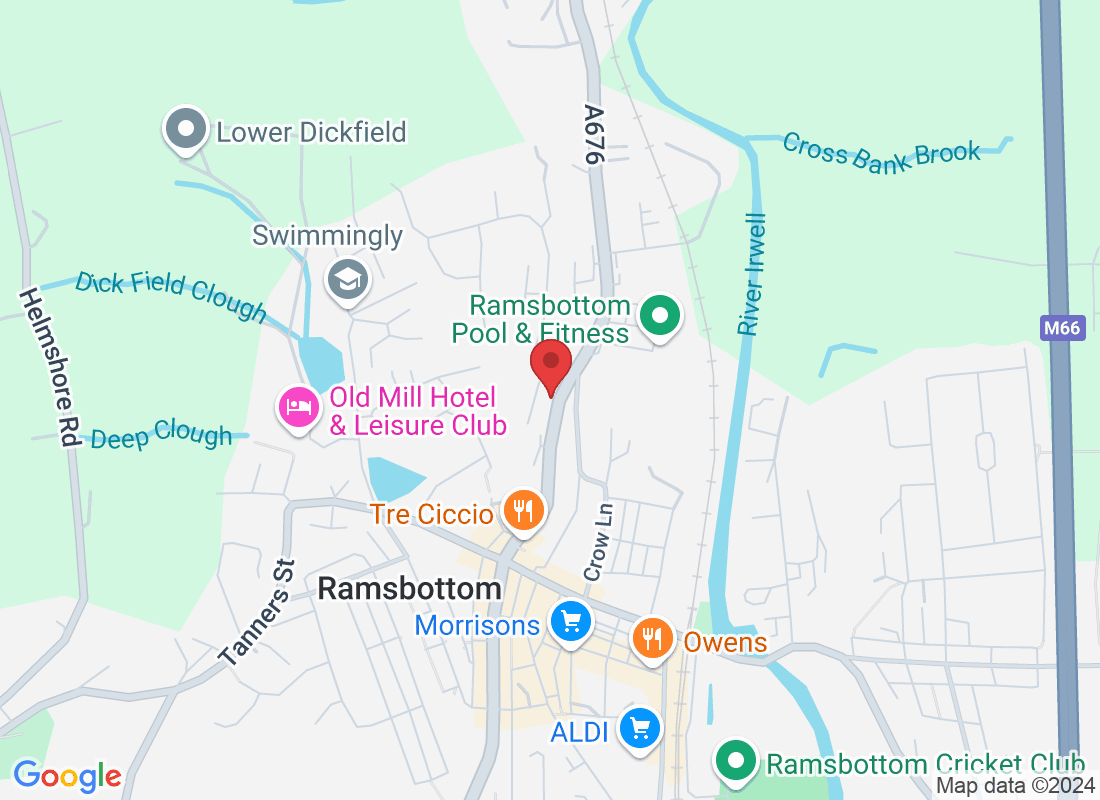
Heel pain is a common complaint that many people experience. If you are residing in Ramsbottom, Prestwich, or Denton, it’s essential to understand the causes and effective treatments available. At Prime Foot Clinic, we are dedicated to helping you alleviate your heel pain, ensuring that you can return to your daily activities without discomfort.
What Causes Heel Pain?
Heel pain can result from various factors. Understanding these can help address the underlying issues effectively. Some of the most common causes include:
- Plantar Fasciitis: This is the inflammation of the plantar fascia, the thick band of tissue running across the bottom of your foot. Symptoms often include sharp pain near the heel, especially in the morning or after prolonged sitting.
- Achilles Tendinitis: This condition involves inflammation of the Achilles tendon, which connects your calf muscles to your heel bone. It can cause pain and stiffness, particularly when walking or running.
- Bursitis: Inflammation of the bursa, the small fluid-filled sacs that cushion bones and tendons, can lead to heel pain, especially after extended periods of standing.
- Heel Spurs: A heel spur is a bony growth on the underside of the heel bone. It often occurs in conjunction with plantar fasciitis.
- Stress Fractures: Overuse or high-impact activities can lead to tiny fractures in the heel bone, resulting in localized pain.
How Can I Treat Heel Pain?
Treating heel pain effectively requires a multifaceted approach that may involve lifestyle changes, home remedies, and professional treatments. Here are some strategies you can employ:
At-Home Remedies
- Rest: Allow your foot some time to heal by minimizing activities that exacerbate the pain, such as running or standing for long periods.
- Ice Therapy: Applying ice packs to the affected area for 15-20 minutes can help reduce swelling and relieve pain.
- Stretching Exercises: Gentle stretching of the Achilles tendon and plantar fascia can improve flexibility and alleviate tension. Specific exercises can be provided by our team at Prime Foot Clinic.
- Over-the-Counter Pain Relief: Nonsteroidal anti-inflammatory drugs (NSAIDs) like ibuprofen can help manage pain and inflammation.
Professional Treatments
If home remedies do not provide sufficient relief, consider consulting with a podiatrist at Prime Foot Clinic. Possible professional treatments include:
- Orthotic Devices: Custom orthotics can support the arch and heel, helping redistribute pressure and alleviate pain.
- Physical Therapy: A physical therapist may design a rehabilitation program to strengthen and stretch foot muscles, thereby reducing heel pain.
- Corticosteroid Injections: For severe inflammation, your podiatrist may recommend corticosteroid injections to provide immediate relief.
- Shockwave Therapy: This non-invasive treatment uses sound waves to promote healing in chronic heel pain cases.
- Surgery: As a last resort, surgical intervention may be necessary for conditions like severe heel spurs or chronic tendinitis.
Prevention Tips for Heel Pain
To avoid the recurrence of heel pain, consider implementing the following preventive measures:
- Wear Supportive Footwear: Choose shoes that provide adequate arch support and cushioning, especially during physical activities.
- Maintain a Healthy Weight: Excess weight can place additional strain on your feet, increasing the risk of heel pain.
- Gradual Increases in Activity: If you plan to start a new workout regimen, gradually increase intensity and duration to prevent overuse injuries.
- Stay Active: Regular physical activity can help strengthen foot muscles and improve overall health, reducing the risk of heel pain.
Frequently Asked Questions (FAQ)
1. How long does it typically take for heel pain to heal?
Healing time varies based on the underlying cause. Typically, mild cases of plantar fasciitis may take 6-8 weeks to improve, while more severe cases may require longer treatment.
2. When should I see a podiatrist for heel pain?
If heel pain persists for more than a few weeks, worsens over time, or hinders daily activities, scheduling a visit to Prime Foot Clinic is advisable.
3. Can heel pain be a sign of a more serious condition?
In some instances, persistent heel pain may indicate underlying conditions such as arthritis or nerve entrapment. A thorough evaluation by a podiatrist is essential for accurate diagnosis.
4. Are there any specific exercises that can help reduce heel pain?
Yes, stretching exercises, such as calf stretches and plantar fascia stretches, can be effective in alleviating heel pain. Our podiatrists can provide personalized exercise recommendations.
5. What role does footwear play in managing heel pain?
Wearing appropriate footwear with good arch support and cushioning can significantly help in reducing heel pain and preventing its recurrence.
Conclusion
Heel pain is a manageable condition with the right approach and treatment. At Prime Foot Clinic in Ramsbottom, we are committed to providing evidence-based solutions tailored to your unique needs. If you’re struggling with heel pain, don’t hesitate to book an appointment with us today and take the first step towards pain-free living.