Ramsbottom Guide: Simple Ways to Ease Heel Pain at Home
Introduction
If you’re experiencing heel pain, you’re not alone. Many people in Ramsbottom, Prestwich, and Denton suffer from this common issue, which can significantly affect daily activities. At Prime Foot Clinic, we understand how heel pain can impact your quality of life. This guide will provide simple, evidence-based ways to ease heel pain at home, ensuring you can get back on your feet comfortably.
What Causes Heel Pain?
Understanding the underlying causes of heel pain is crucial for effective treatment. Heel pain can result from several conditions, including:
- Plantar Fasciitis: This is the most common cause of heel pain, caused by inflammation of the plantar fascia, a thick band of tissue that runs across the bottom of your foot.
- Achilles Tendinitis: Inflammation of the Achilles tendon, which connects your calf muscles to your heel, often leading to pain during physical activities.
- Heel Spurs: Bone growths on the underside of the heel that can occur alongside plantar fasciitis.
- Bursitis: Inflammation of the bursa, a fluid-filled sac that reduces friction between tissues, often affecting the heel area.
- Stress Fractures: Small cracks in the heel bone, usually due to repetitive stress or overuse.
How Can I Treat Heel Pain at Home?
There are several effective home treatments that can provide relief from heel pain:
1. Rest and Activity Modification
Allow your feet to rest by reducing activities that exacerbate your heel pain. If you enjoy running or high-impact sports, consider switching to low-impact exercises like swimming or cycling.
2. Ice Therapy
Applying ice to the affected heel for 15-20 minutes several times a day can help reduce inflammation and numb the pain. Ensure to wrap ice in a cloth to avoid direct skin contact.
3. Stretching Exercises
Regularly stretching the plantar fascia, Achilles tendon, and calves can alleviate tension and improve foot mobility. Consider the following exercises:
- Calf Stretch: Stand facing a wall and place your hands against it. Step back with one foot while keeping your heel down and gently lean forward.
- Plantar Fascia Stretch: Sit down, cross one foot over the opposite knee, and gently pull your toes back towards you to stretch the arch of the foot.
4. Footwear Considerations
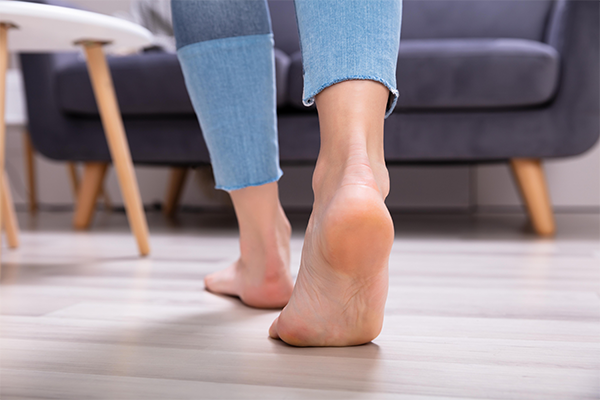
Wear supportive, well-fitting shoes that provide adequate cushioning. Avoid walking barefoot on hard surfaces, as this can exacerbate pain. Consider orthotic inserts to provide additional arch support.
5. Over-the-Counter Medications
Nonsteroidal anti-inflammatory drugs (NSAIDs), such as ibuprofen or naproxen, can help reduce pain and swelling. Always follow the recommended dosage and consult with a healthcare provider if you have any underlying health conditions.
When Should I See a Podiatrist?
If home treatments do not alleviate your heel pain after a few weeks, or if you experience severe pain, swelling, or changes in the appearance of your foot, it’s essential to consult a podiatrist. At Prime Foot Clinic, our experienced team can evaluate your condition and recommend appropriate treatments, which may include physical therapy, custom orthotics, or in some cases, surgical options.
Frequently Asked Questions (FAQ)
1. Can heel pain be a sign of a more serious condition?
Yes, while many cases of heel pain result from minor issues like plantar fasciitis, it can also indicate more serious problems such as fractures or systemic diseases. If pain persists, seeking medical advice is crucial.
2. How long does it typically take for heel pain to heal?
Recovery time varies based on the cause of the heel pain and the treatment approach. Most cases improve within a few weeks to months with proper care.
3. Are there any specific activities I should avoid if I have heel pain?
Avoid high-impact activities such as running, jumping, or sports that require sudden stops until your pain subsides. Low-impact exercises, like swimming, are usually safe.
4. Can I still exercise with heel pain?
While you should avoid activities that worsen the pain, many people can still engage in low-impact exercises. Consult with a healthcare professional for personalized advice.
5. What type of shoes should I wear for heel pain?
Look for shoes with good arch support, cushioning, and stability. Brands that focus on orthopedic features often provide the best options for those suffering from heel pain.
Conclusion
Dealing with heel pain can be frustrating, but with the right home strategies, you can ease your discomfort and get back to your daily activities. Remember, if your pain persists or worsens, the experts at Prime Foot Clinic in Ramsbottom, Prestwich, and Denton are here to help. Take the first step towards recovery today by booking an appointment with us via our online booking system.