Ramsbottom Guide to Treating Verrucas Safely
Understanding Verrucas
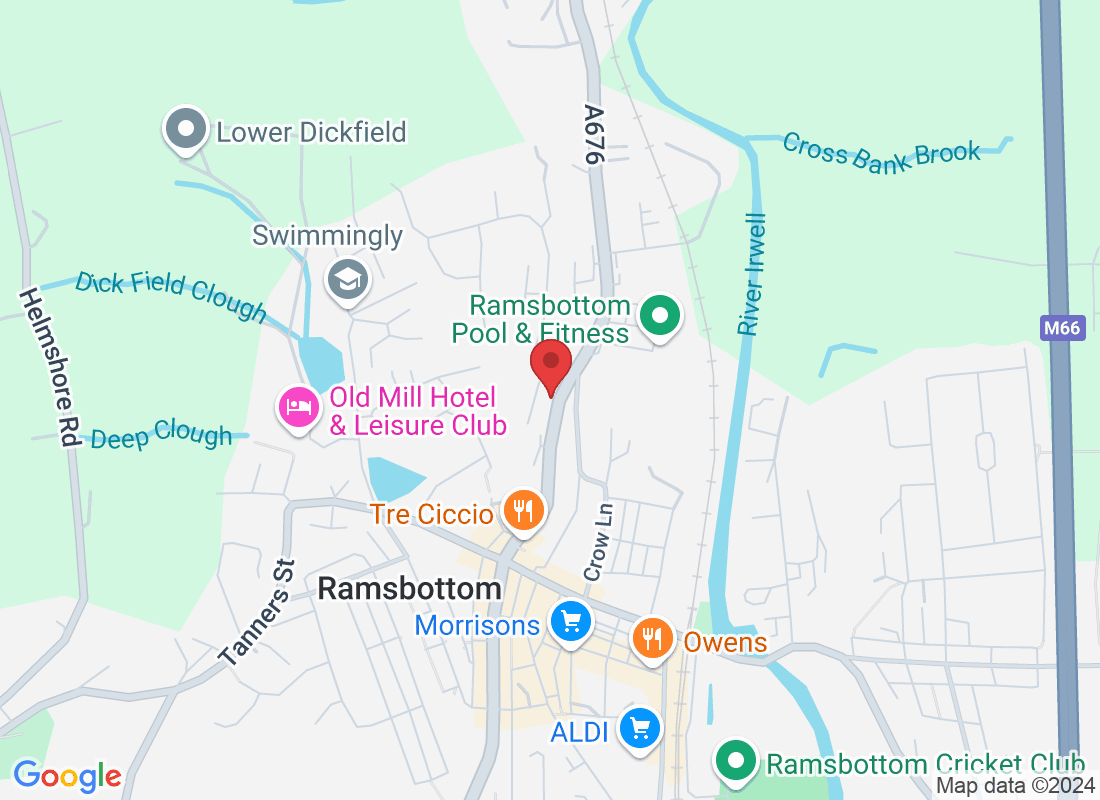
Verrucas, also known as plantar warts, are small, contagious growths that occur on the soles of the feet. They are caused by the human papillomavirus (HPV), which typically enters the skin through tiny cuts or abrasions. At Prime Foot Clinic, located in Ramsbottom, we aim to provide you with clear information on how to safely treat these common foot conditions.
What Causes Verrucas?
Verrucas are primarily caused by the transmission of the HPV virus, which thrives in warm, moist environments such as swimming pools, showers, and locker rooms. The virus can spread through direct contact with an infected person or indirectly through surfaces and shared footwear.
Who is at Risk of Developing Verrucas?
While anyone can develop verrucas, certain individuals are more susceptible, including:
- Children and adolescents, as their immune systems are still developing.
- Individuals with weakened immune systems due to conditions like diabetes or HIV.
- Athletes or swimmers who spend prolonged periods in communal areas.
How Can I Treat Verrucas?
Treating verrucas can be approached in several ways, and it’s vital to choose a method suited to your individual needs. Here’s a breakdown of the most common treatment options available at Prime Foot Clinic:
1. Over-the-Counter Treatments
These treatments often contain salicylic acid, which works by gradually removing the wart layer by layer. It’s essential to follow the application instructions carefully. Regular use is necessary for effectiveness.
2. Cryotherapy
This procedure involves freezing the verruca with liquid nitrogen, causing it to fall off over time. Cryotherapy is performed by our qualified podiatrists to ensure safety and effectiveness.
3. Laser Therapy
Lasers can target the blood vessels feeding the verruca, effectively destroying the wart. This is often used for stubborn cases that haven't responded to other treatments.
4. Minor Surgical Removal
In some instances, surgical removal may be necessary, especially for larger or more painful verrucas. Our experienced podiatrists will provide local anaesthesia to ensure comfort during the procedure.
5. Immune Therapy
This approach encourages the body’s immune system to attack the virus. Treatment may involve topical applications or injections suitable for specific cases.
What Should I Expect During Treatment?
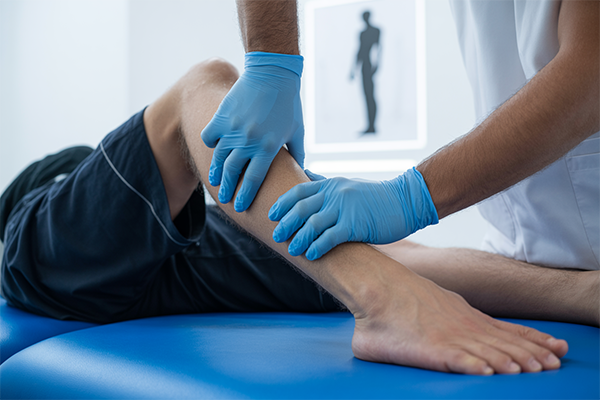
At Prime Foot Clinic, we prioritize patient comfort and education. During your initial consultation, our podiatrists will conduct a thorough examination, discuss your treatment options, and devise a personalized plan for your care. Pain levels vary depending on the treatment method, but we will ensure you are informed and comfortable throughout the process.
How Can I Prevent Verrucas?
Preventive measures can significantly reduce the risk of developing verrucas. Consider these tips:
- Avoid walking barefoot in communal areas like pools and gyms.
- Always wear flip-flops or appropriate footwear in shared spaces.
- Keep your feet clean and dry.
- Avoid sharing towels, socks, or shoes with others.
When Should I See a Podiatrist?
If you suspect you have a verruca, or if you have persistent foot pain, swelling, or discomfort, it's crucial to consult with a podiatrist. At Prime Foot Clinic in Ramsbottom, we can provide an accurate diagnosis and effective treatment tailored to your needs.
Frequently Asked Questions (FAQ)
1. Are verrucas contagious?
Yes, verrucas are highly contagious and can spread through direct contact or shared surfaces.
2. Can I treat verrucas at home?
While over-the-counter treatments can be effective, it's advisable to consult a podiatrist for the best course of action, especially in stubborn cases.
3. How long does it take for verrucas to go away?
The duration for treatment can vary. Some verrucas may resolve in a few months, while others may take longer, depending on the treatment method and individual response.
4. Will verrucas come back after treatment?
Verrucas can recur, particularly if the HPV virus remains in the skin. Preventative measures are essential to reduce the risk of re-infection.
5. Is treatment painful?
Most treatments are relatively pain-free, especially with local anaesthesia. Some discomfort may occur, but it is typically manageable.
Conclusion
Understanding and treating verrucas is essential for maintaining foot health. At Prime Foot Clinic in Ramsbottom, our dedicated team is here to guide you through the safe and effective treatment options available. Don’t let verrucas disrupt your life — book an appointment today and take the first step towards healthier feet!