When Rest Isn’t Enough: Heel Pain That Keeps Coming Back
Understanding Heel Pain: When Rest Isn’t Enough
If you’re experiencing persistent heel pain, you may be feeling frustrated and unsure of what to do next. At Prime Foot Clinic in Ramsbottom, Prestwich, and Denton, we understand how debilitating heel pain can be. Many patients find that rest alone isn’t a sufficient solution. In this article, we’ll explore the common causes of recurring heel pain, effective treatments, and when to seek professional help.
What Causes Recurring Heel Pain?
Heel pain can stem from various underlying conditions. Understanding the specific cause is crucial for effective treatment. Here are some common conditions associated with heel pain:
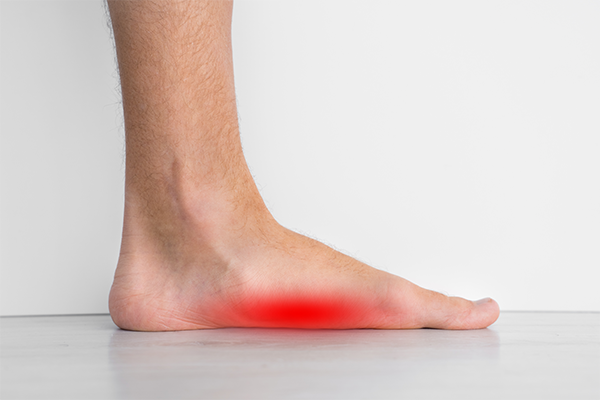
- Plantar Fasciitis: This is the most prevalent cause of heel pain, resulting from inflammation of the plantar fascia, a thick band of tissue that runs across the bottom of your foot.
- Achilles Tendinitis: Inflammation of the Achilles tendon can lead to pain at the back of the heel, especially after periods of activity.
- Heel Spurs: These bony protrusions form on the underside of the heel bone and can cause significant discomfort when walking or standing.
- Bursitis: Inflammation of the bursa, a small fluid-filled sac that cushions the heel, can lead to pain in the heel area.
- Stress Fractures: Overuse can cause tiny cracks in the heel bone, leading to persistent pain and discomfort.
How Can I Treat Recurring Heel Pain?
While rest is a valuable initial treatment, it often needs to be combined with other strategies for effective management. Here's how to address your heel pain:
1. Rest and Ice
Initially, it’s essential to rest your foot to reduce inflammation. Applying ice to the affected area for 15 to 20 minutes at a time can help alleviate pain and swelling.
2. Stretching Exercises
Stretching the plantar fascia and Achilles tendon can ease tension and promote healing. Consider incorporating the following exercises into your routine:
- Calf Stretches: Stand facing a wall with one foot forward and the other back, keeping both heels on the ground to stretch the calf muscles.
- Plantar Fascia Stretch: Sit with your foot on your opposite knee and pull your toes back gently to stretch the plantar fascia.
3. Footwear Modifications
Wearing supportive shoes that provide adequate cushioning is crucial. Avoid high heels or sandals with inadequate support. Orthotic inserts can also provide additional support and relieve pressure on your heel.
4. Physical Therapy
A podiatrist may recommend physical therapy to strengthen foot muscles and improve flexibility, which can help prevent future episodes of heel pain.
5. Medical Treatments
In some cases, more advanced treatments may be necessary, including:
- Corticosteroid Injections: These can provide temporary relief from inflammation.
- Extracorporeal Shock Wave Therapy: A non-invasive procedure that can stimulate healing.
- Custom Orthotics: Tailored inserts designed to improve foot alignment and relieve stress on the heel.
When Should I Seek Professional Help?
If your heel pain persists despite home treatments or worsens over time, it’s crucial to consult a podiatrist. At Prime Foot Clinic, our experienced team will conduct a thorough examination and may utilize diagnostic imaging, such as X-rays, to determine the underlying cause of your pain. Early intervention can prevent complications and hasten recovery.
Frequently Asked Questions (FAQ)
1. Can heel pain be a sign of something serious?
While many cases of heel pain are related to common issues like plantar fasciitis, it can sometimes indicate more serious conditions. If pain persists or is accompanied by swelling, warmth, or redness, it's advisable to seek medical evaluation.
2. Is it normal for heel pain to worsen with activity?
Yes, heel pain often intensifies with activity, especially if it’s due to plantar fasciitis or Achilles tendinitis. This is a clear signal from your body indicating the need for further assessment.
3. How long does heel pain usually take to heal?
The healing duration for heel pain varies widely depending on the cause and treatment. Mild cases may improve within weeks, while chronic conditions can take several months to resolve.
4. Are there any long-term effects of untreated heel pain?
Chronic untreated heel pain can lead to compensatory changes in gait, which can result in pain in other areas, such as the knees, hips, or lower back.
5. What can I do at home to manage heel pain?
Home management can include rest, ice application, gentle stretching, wearing supportive footwear, and over-the-counter pain relievers if necessary.
Conclusion
Heel pain can be persistent and frustrating, especially when rest alone isn’t sufficient. Understanding the underlying causes and exploring a range of treatment options is vital for relief. If you’re in Ramsbottom, Prestwich, or Denton, the team at Prime Foot Clinic is here to help you manage your heel pain effectively. Don't allow heel pain to control your life; contact us today to schedule an appointment.
Book your appointment now and take the first step toward relief!