Understanding Sesamoiditis: An Overview
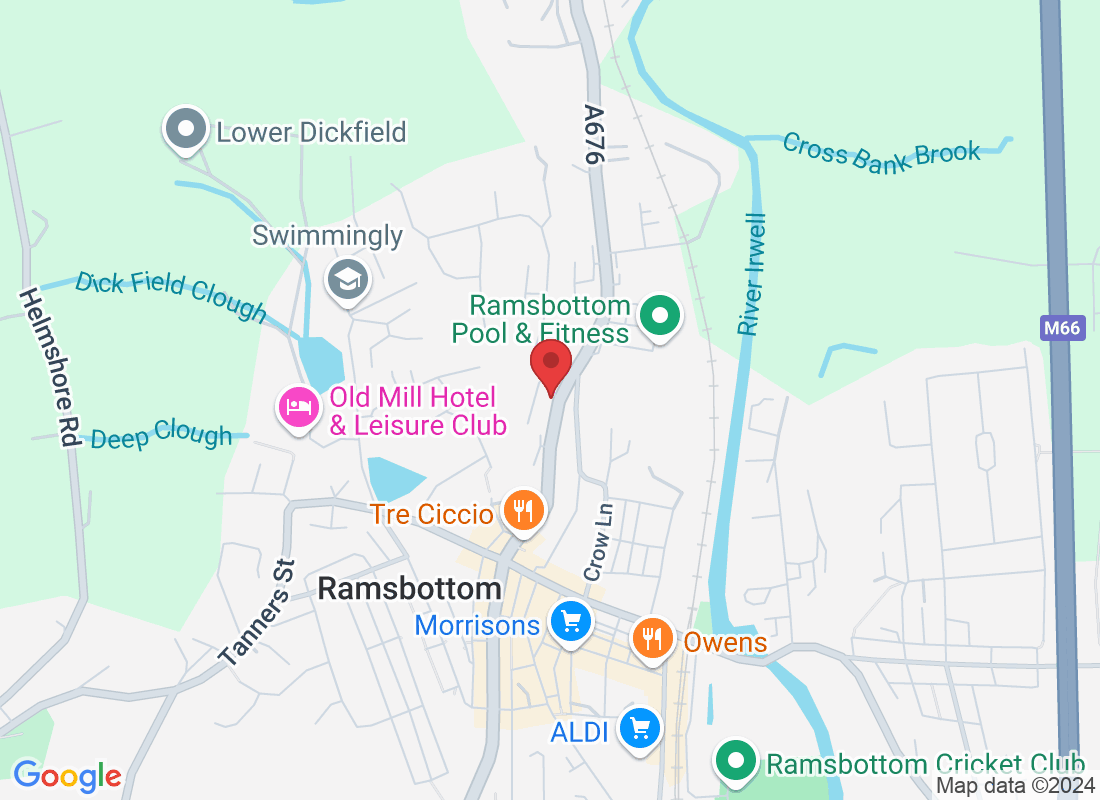
At Prime Foot Clinic in Ramsbottom, we often encounter patients struggling with sesamoiditis, a common condition that affects the sesamoid bones located beneath the big toe joint. Sesamoiditis can be particularly painful and limiting, making it essential to understand its causes, symptoms, and effective treatment options.
What Causes Sesamoiditis?
Sesamoiditis typically arises from overuse and excessive pressure on the sesamoid bones. The most common causes include:
- Repetitive Activities: Engaging in high-impact sports such as basketball, running, or dance can lead to inflammation.
- Improper Footwear: Shoes that do not provide adequate support or cushioning can exacerbate the condition.
- Foot Structure Issues: Certain anatomical features, such as high arches or flat feet, contribute to abnormal stress on the big toe joint.
- Injury: Trauma or direct impact to the foot can result in acute sesamoiditis.
What Are the Symptoms of Sesamoiditis?
Individuals with sesamoiditis typically report a variety of symptoms, including:
- Localized Pain: A sharp or aching pain beneath the big toe joint, which may worsen with activity.
- Swelling: Inflammation around the sesamoid bones may lead to noticeable swelling.
- Difficulty Walking: Patients often experience discomfort during weight-bearing activities.
- Increased Pain with Pressure: Pain may intensify when the area is pressed, such as during prolonged periods of standing.
How is Sesamoiditis Diagnosed?
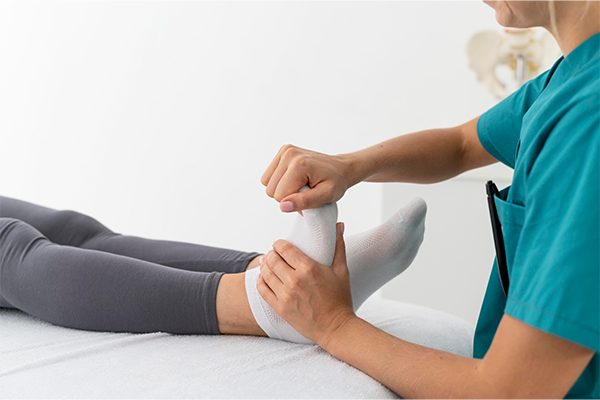
At Prime Foot Clinic, our podiatrists utilize a thorough clinical examination and may recommend imaging studies, such as X-rays or MRI, to confirm the diagnosis and rule out other conditions. Physical examination findings, along with patient history, are vital for accurate diagnosis.
How Can I Treat Sesamoiditis?
Effective treatment for sesamoiditis focuses on reducing pain and inflammation and enhancing healing. Treatment options include:
- Rest: Limiting activities that aggravate the condition allows the inflamed tissues to heal.
- Icing: Applying ice to the affected area can help reduce swollenness and relieve pain.
- Footwear Modifications: Wearing shoes with a wide toe box and good arch support will alleviate pressure on the sesamoids.
- Orthotics: Custom-made orthotics can redistribute weight and reduce stress on the big toe.
- Anti-Inflammatory Medications: Non-steroidal anti-inflammatory drugs (NSAIDs) may be prescribed to help manage pain and inflammation.
- Physical Therapy: A physical therapist can provide exercises to strengthen the foot and improve flexibility.
When is Surgery Considered?
In rare cases where conservative treatments do not alleviate symptoms, surgical intervention may be recommended. Procedures can include removing the sesamoid bone or repairing damaged tissues. However, most patients find relief through non-surgical treatments.
FAQs about Sesamoiditis
1. Can sesamoiditis resolve on its own?
Yes, with appropriate rest and care, sesamoiditis may resolve on its own. However, consulting a podiatrist for tailored treatment is advisable.
2. How long does it take to recover from sesamoiditis?
Recovery time varies; most patients improve within a few weeks to a couple of months with proper management.
3. Is sesamoiditis common in athletes?
Yes, athletes, particularly those participating in high-impact sports, are at an increased risk for sesamoiditis due to repetitive stress on the big toe joint.
4. What can I do at home to relieve sesamoiditis pain?
Home remedies such as rest, ice application, and elevation can help alleviate pain and swelling associated with sesamoiditis.
5. When should I see a podiatrist for sesamoiditis?
If you experience persistent pain or if symptoms worsen despite home treatment, it's crucial to consult a podiatrist for an evaluation and tailored treatment plan.
Conclusion
Understanding sesamoiditis can empower you to manage your symptoms effectively and seek the appropriate care. At Prime Foot Clinic in Ramsbottom, our expert team is dedicated to providing personalized treatment plans to help you recover from sesamoiditis and get back to doing the activities you love. Don’t let foot pain hold you back — book an appointment today!