When You Shouldn’t Try to Treat That Foot Wound at Home
Understanding Foot Wounds: When Home Treatment Isn’t Enough
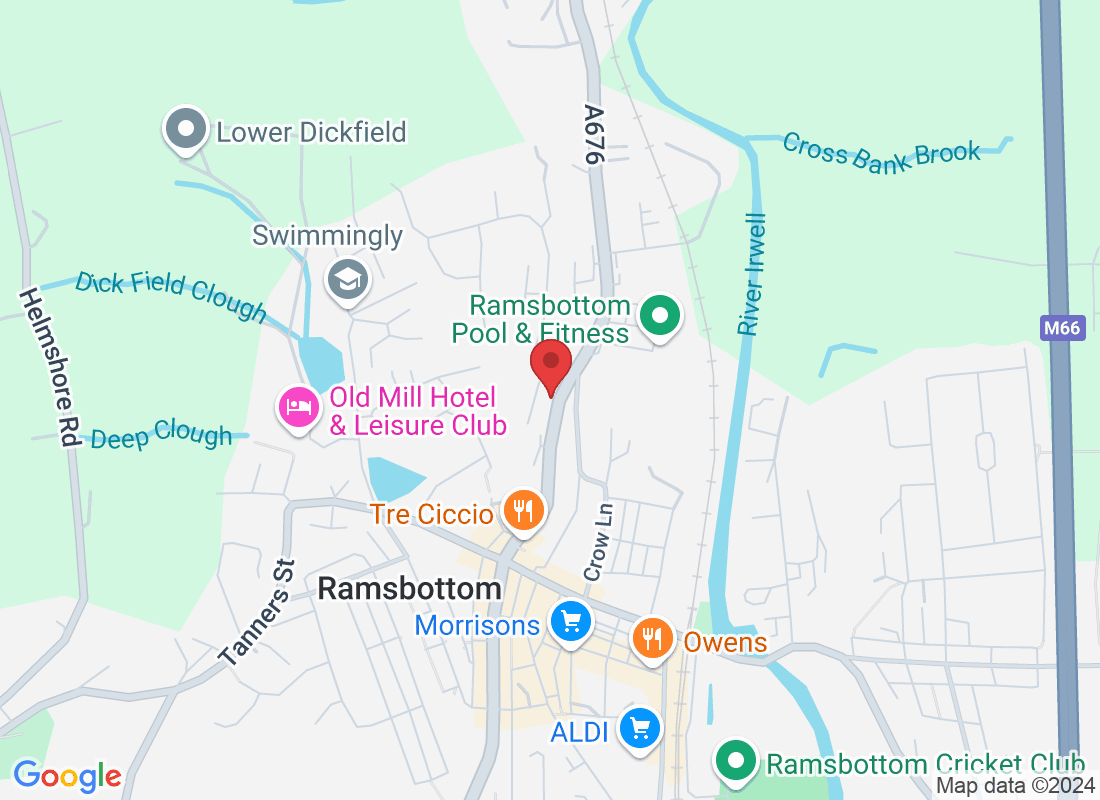
At Prime Foot Clinic, located in Ramsbottom, we often encounter patients who attempt to manage foot wounds at home. While it’s understandable to want to treat minor injuries yourself, certain wounds require professional medical attention to avoid complications. In this article, we’ll explore when to seek help from a podiatrist and why self-treatment can lead to more significant issues.
What Causes Foot Wounds?
Foot wounds can result from various causes, including:
- Diabetes: Diabetic foot ulcers are common and can arise due to neuropathy, where nerve damage reduces sensation in your feet.
- Trauma: Cuts, scrapes, and puncture wounds can occur from accidents or poor footwear.
- Infections: Conditions like cellulitis can develop from untreated wounds or breaks in the skin.
- Inappropriate Footwear: Shoes that do not fit well can cause blisters and sores, leading to wounds.
How Can I Treat Minor Foot Wounds at Home?
If you have a very minor wound, here are some steps you can take:
- Clean the wound with mild soap and water.
- Apply an antibiotic ointment to prevent infection.
- Cover the wound with a sterile bandage.
- Change the dressing daily and monitor for signs of infection.
However, knowing when a wound is too severe for at-home care is crucial.
Signs It’s Time to See a Podiatrist
While minor wounds can often be treated at home, there are specific circumstances where you should seek professional help:
1. The Wound Is Deep or Large
Wounds that penetrate deeply, especially those involving muscle or tendons, necessitate medical evaluation. A deep wound can quickly become infected, leading to more severe complications.
2. Signs of Infection
If you notice increased redness, swelling, warmth, discharge, or if the area feels tender, these are warning signs of infection. Left untreated, an infection can spread and may require antibiotics or surgical intervention.
3. Persistent Pain or Discomfort
While some pain can be expected with any injury, persistent pain, especially that which worsens over time, should not be ignored. This could indicate deeper tissue damage or infection.
4. Underlying Health Conditions
Individuals with conditions like diabetes, peripheral vascular disease, or compromised immune systems should be particularly vigilant. Foot wounds in these populations can result in serious complications even with seemingly minor injuries.
5. Non-Healing Wounds
If a wound does not show signs of healing within a few days or worsens, it’s vital to consult a healthcare professional. Chronic wounds may require specialized treatment to promote healing.
How Are Foot Wounds Treated in a Clinical Setting?
When you visit Prime Foot Clinic, we take a thorough approach to diagnose and treat your foot wound:
- Assessment: A detailed examination to assess the wound, including imaging if necessary.
- Cleaning and Debridement: We’ll clean the wound professionally and may need to remove dead tissue to promote healing.
- Dressing: Application of specialized dressings that facilitate moisture balance and protect against infection.
- Treatment of Underlying Conditions: We’ll address any contributing factors, such as poor circulation or diabetes management.
What Can Happen if Foot Wounds Are Ignored?
Ignoring foot wounds can lead to serious complications, such as:
- Sepsis: A severe infection that can spread through the bloodstream, posing life-threatening risks.
- Amputation: In extreme cases, untreated infections or chronic wounds may lead to the necessity of limb amputation.
- Chronic Pain: Ongoing issues can lead to chronic pain conditions that affect quality of life.
Conclusion
While minor foot wounds can often be managed at home, knowing when to seek professional treatment is crucial for your health and wellbeing. At Prime Foot Clinic in Ramsbottom, we are committed to providing expert care for all foot-related issues. Don’t hesitate to reach out for the help you need. Book an appointment today to ensure that your foot wounds are treated effectively and safely.
FAQ
1. What are the first signs of a foot infection?
Early signs include redness, swelling, increased warmth, pain, and discharge from the wound.
2. Can I use over-the-counter treatments for my foot wound?
Over-the-counter treatments may be suitable for minor wounds, but seek professional advice for deep or infected wounds.
3. When should I see a podiatrist for a foot wound?
Visit a podiatrist if the wound is deep, shows symptoms of infection, or does not heal within a few days.
4. What is a diabetic foot ulcer?
A diabetic foot ulcer is a sore or wound that occurs in diabetic patients, often due to neuropathy and poor circulation.
5. How can I prevent foot wounds?
Wear properly fitting shoes, maintain good foot hygiene, manage chronic conditions, and regularly check your feet for any changes.