How to Spot Early Signs of Fungal Nail Infections
Understanding Fungal Nail Infections
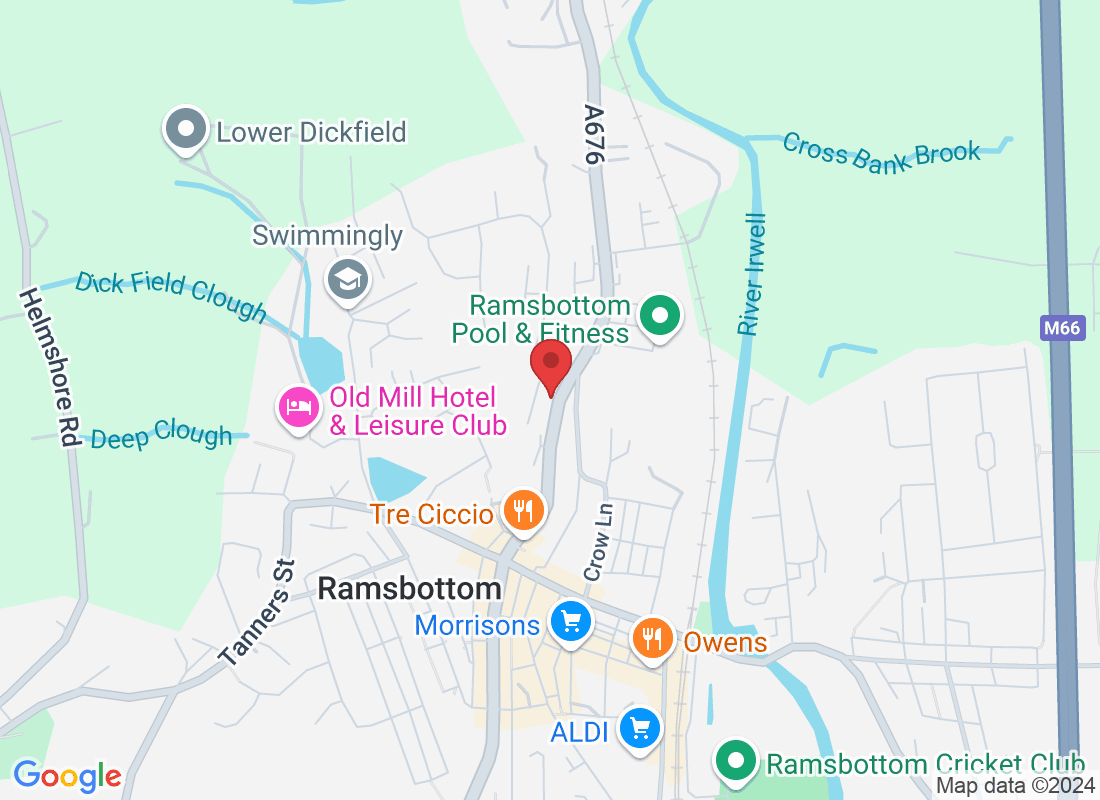
At Prime Foot Clinic, located in Ramsbottom, Prestwich, and Denton, we understand how common and uncomfortable fungal nail infections can be. These infections, also known as onychomycosis, often start subtly, but early detection is crucial for effective treatment.
What Causes Fungal Nail Infections?
Fungal nail infections are primarily caused by various types of fungi, including dermatophytes, yeasts, and molds. Conditions that may contribute to the development of a fungal infection include:
- Moist environments, such as public swimming pools and communal showers
- Improper foot hygiene
- Existing nail injuries
- Weakened immune system
- Chronic health issues like diabetes or psoriasis
How to Spot the Early Signs of Fungal Nail Infections
Being able to identify the early signs of a fungal nail infection can significantly reduce the risk of worsening symptoms. Here are some classic signs to look for:
- Discoloration: The affected nail may start to look yellow, brown, or white.
- Thickening: Nails may become thicker than normal, making them difficult to trim.
- Crumbly Texture: Affected nails can become brittle and may crumble or break easily.
- Separation: The nail may begin to separate from the nail bed, creating gaps.
- Odour: A foul smell can sometimes accompany the infection.
How Can I Treat Fungal Nail Infections?
Treatment for fungal nail infections generally involves topical or oral antifungal medications. Options include:
- Topical Treatments: Antifungal creams or lacquers applied directly to the nail.
- Oral Medications: Prescription medications that tackle the infection systemically.
- Nail Removal: In severe cases, the infected nail may need to be removed surgically or chemically.
It’s essential to consult a podiatrist at Prime Foot Clinic to determine the best treatment plan based on the severity of the infection.
How Can I Prevent Fungal Nail Infections?
Preventing fungal nail infections involves a combination of good hygiene practices and lifestyle choices:
- Keep your feet clean and dry, especially in between the toes.
- Wear moisture-wicking socks.
- Avoid tight-fitting shoes that do not allow your feet to breathe.
- Use antifungal powder in athletic shoes.
- Trim nails straight across and avoid picking at the cuticles.
When Should I See a Podiatrist?
If you notice any signs of a fungal nail infection, it’s advisable to seek professional advice as soon as possible. Early intervention can prevent the infection from spreading and help you avoid more severe issues later on.
Frequently Asked Questions (FAQ)
1. What are the risk factors for developing a fungal nail infection?
Risk factors include living in moist environments, having diabetes, a weakened immune system, and poor foot hygiene.
2. Are fungal nail infections contagious?
Fungal nail infections can spread through direct contact with an infected person or surface, such as shoes or communal areas.
3. Can I treat a fungal nail infection at home?
While some over-the-counter treatments are available, it's best to consult a podiatrist for an effective treatment plan tailored to your condition.
4. How long does it take to treat a fungal nail infection?
Treatment duration depends on the severity of the infection and the type of treatment used but typically ranges from a few weeks to several months.
5. Will my nail look normal again after treatment?
With appropriate treatment, most nails will gradually return to their normal appearance, although it may take time for new, healthy nails to grow in.
Conclusion
Learning to spot the early signs of fungal nail infections is vital for prompt treatment and optimal foot health. If you suspect you have a fungal nail infection, don't hesitate to visit us at Prime Foot Clinic in Ramsbottom, Prestwich, or Denton. Our experienced team is ready to assist you with effective treatment options tailored to your needs.
For a consultation, please book your appointment online by clicking here.