Struggling with Corns or Calluses in Denton? You're Not Alone
Struggling with Corns or Calluses in Denton? You're Not Alone
At Prime Foot Clinic, located in Ramsbottom, Prestwich, and Denton, we recognize that foot health significantly impacts your overall well-being. If you're struggling with corns or calluses, you’re not alone. These common foot conditions can lead to discomfort and pain, but understanding their causes and treatments can help alleviate your symptoms and improve your quality of life.
What Are Corns and Calluses?
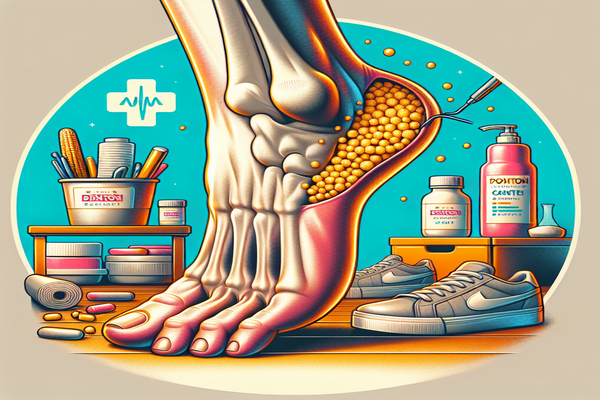
Corns and calluses are thickened areas of skin that develop in response to repeated friction or pressure. They primarily occur on the feet, particularly in areas more susceptible to stress.
- Corns: These are small, conical, and hard patches of thickened skin, usually found on the tops or sides of toes.
- Calluses: These are larger, flatter areas of thickened skin, commonly located on the soles of the feet or palms. They form to protect sensitive skin from pressure points.
What Causes Corns and Calluses?
Corns and calluses develop as a defensive response of the body to protect the skin from injury or irritation. Some of the most common causes include:
- Improper Footwear: Shoes that are too tight, too loose, or lack cushioning can cause excess friction.
- Foot Deformities: Conditions like bunions or hammertoes can lead to uneven pressure distribution on the foot.
- Walking Habits: Abnormal gait or poor biomechanics can create excessive pressure on certain areas of the feet.
- Activity Level: Increased physical activity, especially without proper footwear, can make you more susceptible.
How Can I Treat Corns and Calluses?
Effective treatment of corns and calluses focuses on alleviating pressure and addressing the underlying causes. Here are some recommended strategies:
- Proper Footwear: Invest in well-fitting shoes with ample cushioning to reduce friction.
- Padding and Cushioning: Using pads can help relieve pressure on corns and calluses.
- Regular Exfoliation: Gently exfoliate thickened skin using a pumice stone after soaking your feet in warm water.
- Topical Treatments: Over-the-counter salicylic acid products can help soften and remove thickened skin. It’s advisable to consult with a podiatrist before use.
- Podiatric Care: Regular visits to a foot specialist such as those at Prime Foot Clinic can ensure proper care and treatment of corns and calluses, including surgical options if necessary.
When Should I See a Podiatrist?
While corns and calluses are generally manageable at home, you should consult a podiatrist if:
- You have diabetes or circulation issues that affect your feet.
- Corns or calluses are painful or infected.
- Home treatments are ineffective.
- You notice changes in the color or size of the corn or callus.
Can Corns and Calluses Be Prevented?
Preventing corns and calluses revolves around proactive foot care:
- Choose the Right Shoes: Opt for shoes that fit well, allow for natural foot movement, and provide adequate arch support.
- Maintain Foot Hygiene: Keep your feet clean and dry to prevent skin irritation.
- Regular Foot Checks: Regularly inspect your feet for any changes or signs of pressure points.
FAQs About Corns and Calluses
1. Are corns and calluses the same?
No, corns are usually smaller and more painful than calluses. Calluses tend to cover larger areas and are generally less sensitive.
2. Can I remove corns or calluses at home?
While gentle removal is possible with proper care, it’s recommended to see a podiatrist to avoid injury, especially for those with underlying health conditions.
3. Are there any risks related to untreated corns or calluses?
Untreated corns and calluses can lead to pain, infections, and complications, especially in individuals with diabetes or vascular issues.
4. How can I identify the difference between a corn and a plantar wart?
Corns are usually hard and have a defined edge, while plantar warts are soft with a grainy appearance and may bleed or cause discomfort when pinched.
5. Is it possible to prevent corns and calluses completely?
While it may not be possible to prevent them entirely, maintaining proper footwear and foot hygiene can significantly reduce the risk.
Conclusion
If you’re experiencing discomfort from corns or calluses in Denton, remember that you’re not alone, and effective treatments are available. At Prime Foot Clinic, we are committed to providing expert care tailored to your specific needs. Don't let foot pain hold you back from enjoying life. Book an appointment today and take the first step towards healthier feet.