
When Toenail Problems Need a Podiatrist – Not a Pedicure
Understanding Toenail Problems
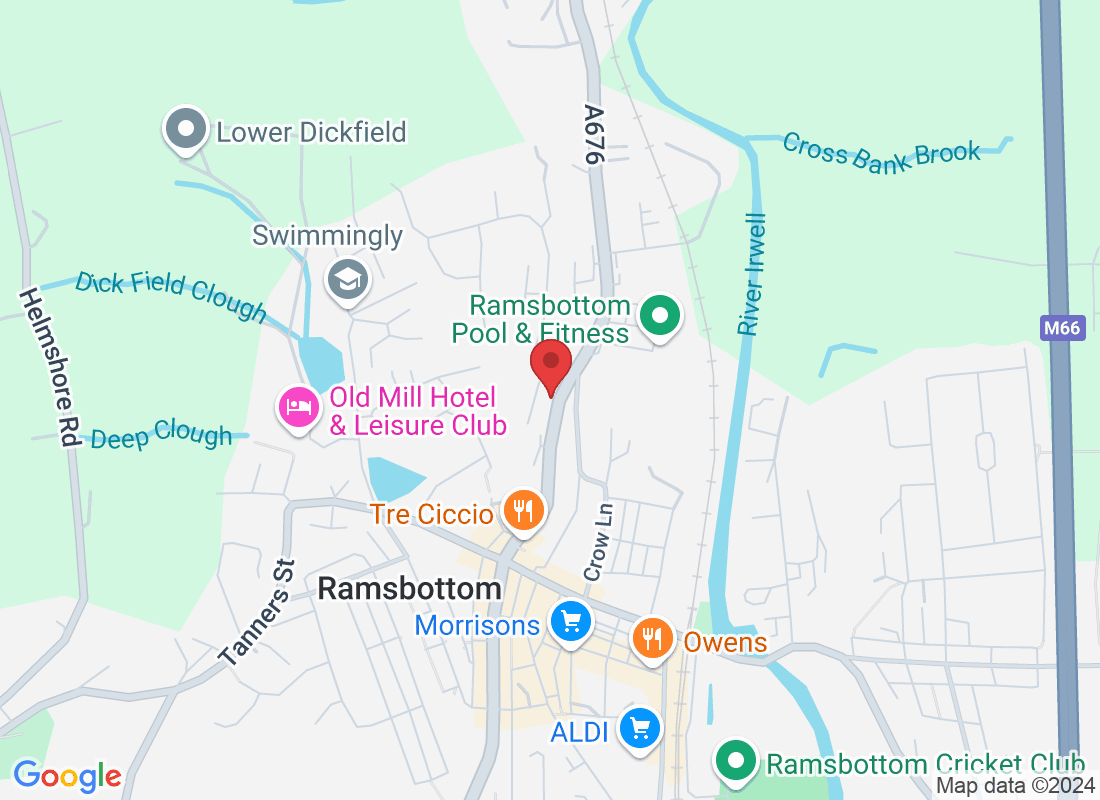
Toenail problems can vary widely in severity and type, and while many people may dismiss these issues as mere cosmetic concerns, they can have significant implications for your foot health. At Prime Foot Clinic located in Ramsbottom, Prestwich, and Denton, we specialize in diagnosing and treating a range of toenail conditions that often require the expertise of a podiatrist rather than a pedicurist.
What Causes Toenail Problems?
Toenail issues can stem from various conditions, each requiring a different treatment approach. Common causes include:
- Fungal Infections: Onychomycosis is a prevalent condition caused by dermatophytes, yeast, or mold, leading to discoloration, thickening, and brittleness of the nail.
- Ingrown Toenails: This occurs when the edge of a toenail grows into the surrounding skin, often causing pain, redness, and swelling.
- Trauma: Injuries from stubbing your toe or dropping heavy objects can lead to bruising or nail loss.
- Nail Psoriasis: This autoimmune condition can affect the nails, causing pitting, discoloration, and detachment from the nail bed.
- Toenail Deformities: Conditions like hypertrophy or pincer nails can result in malformed toenails, which can be both painful and unsightly.
How Can I Recognize Toenail Problems?
Understanding the signs of toenail problems is crucial for early intervention. Here are some symptoms you should watch for:
- Discoloration of the nail, including white, yellow, or black spots.
- Thickening or crumbling of the nail.
- Pain or tenderness around the toenail.
- Red, swollen skin surrounding the nail.
- Separation of the nail from the nail bed.
When Should I See a Podiatrist?
While minor toenail issues can sometimes be managed at home, there are specific situations where professional help from a podiatrist is essential:
- If you have diabetes or peripheral vascular disease, it is critical to address toenail issues promptly to avoid complications.
- If home treatments for fungal infections do not yield results within a few weeks.
- If ingrown toenails cause severe pain or lead to infection.
- If there is swelling, redness, or discharge that does not improve.
- If you notice sudden changes in your toenails, such as discoloration or growth patterns.
Can I Treat Toenail Problems at Home?
While some toenail issues can be addressed at home, it's vital to use the right methods:
- Fungal Infections: Over-the-counter antifungal creams may help, but persistent cases should be evaluated by a podiatrist for possible prescription medications.
- Ingrown Toenails: Soaking your foot in warm, soapy water can alleviate discomfort. However, severe cases should be treated professionally to prevent infection.
- Trauma: Protect the injured toe and consider ice therapy to reduce swelling. Consult a podiatrist if there’s severe pain or nail loss.
What Treatments are Available from a Podiatrist?
Podiatrists use a range of treatments tailored to specific conditions:
- Fungal Treatments: Prescription topical or oral antifungal medications may be required.
- Surgical Ingrown Toenail Treatment: This may involve removal of part of the nail and possibly the underlying nail bed to prevent recurrence.
- Orthotics: Custom orthotic devices can help address biomechanical issues contributing to nail problems.
- Medication for Nail Psoriasis: Topical medications or systemic treatments may be prescribed based on severity.
Frequently Asked Questions
1. How can I prevent toenail problems?
Maintaining proper foot hygiene, trimming toenails straight across, and wearing well-fitted footwear can help prevent many toenail issues.
2. Are toenail problems serious?
While many toenail problems are benign, they can lead to severe complications if left untreated, particularly in individuals with existing health conditions.
3. Can you get rid of nail fungus at home?
Over-the-counter treatments may help mild cases, but persistent infections typically require professional medical intervention for effective treatment.
4. What causes nail separation?
Nail separation can result from trauma, fungal infections, or underlying medical conditions such as psoriasis.
5. Will I need surgery for an ingrown toenail?
Surgery is a common treatment for chronic ingrown toenails, especially when conservative measures fail to provide relief.
Conclusion
Understanding when to seek help is crucial for maintaining healthy toenails. If you're experiencing toenail problems, the specialists at Prime Foot Clinic in Ramsbottom, Prestwich, or Denton are here to help. Don't let toenail issues affect your quality of life. Book an appointment today by visiting our online booking page.