When Toes Start Curling or Overlapping – Prestwich Advice
When Toes Start Curling or Overlapping – Prestwich Advice
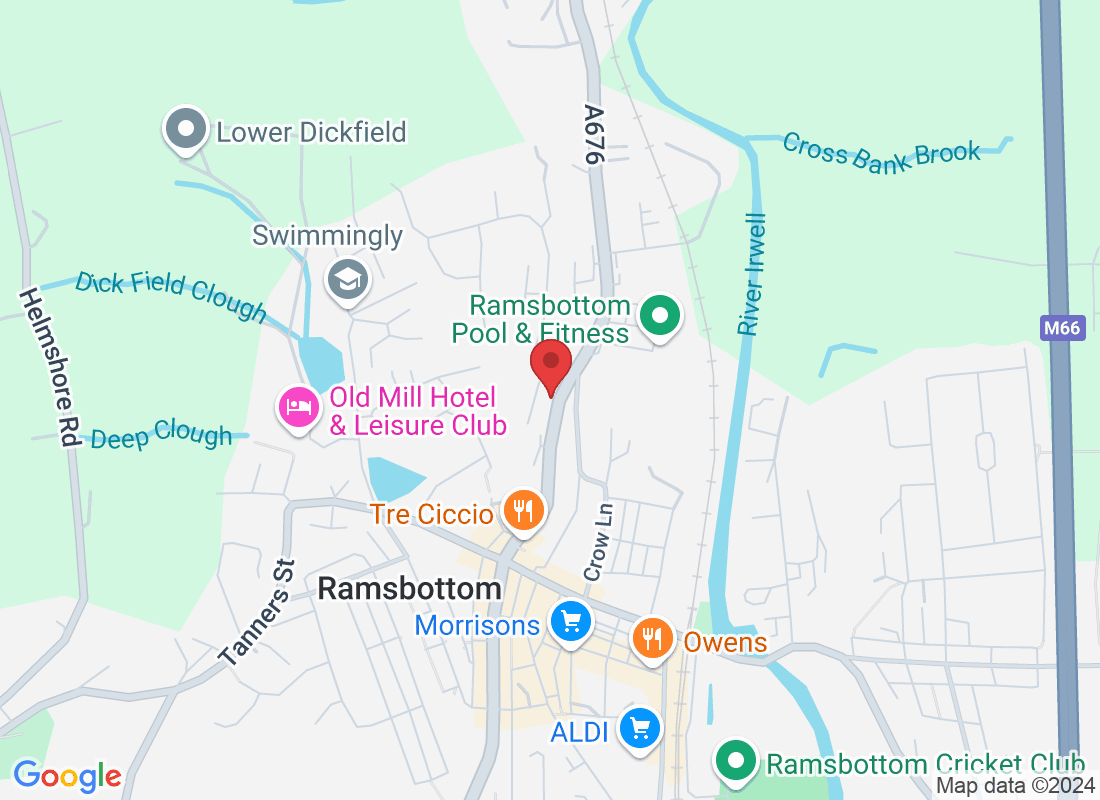
Experiencing curling or overlapping toes is more common than many people realise. At Prime Foot Clinic, located in Ramsbottom and serving the proud community of Prestwich and Denton, we understand the importance of addressing foot concerns promptly. This comprehensive guide aims to provide evidence-based information on what causes these toe deformities, their implications, and how they can be effectively treated.
What Causes Curling or Overlapping Toes?
Curling or overlapping toes are often symptoms of underlying foot conditions. These may include:
- Hammertoe: A condition where the toe bends at the middle joint, causing it to curl downwards.
- Claw Toe: Similar to hammertoe, but includes an upward bend at the first joint, making the toes appear claw-like.
- Malalignment of Toes: Genetic factors, improper footwear, and certain medical conditions could lead to misalignment.
- Arthritis: Conditions like rheumatoid arthritis can lead to inflammation and deformities in the toes.
- Muscle Imbalances: Weakness or tightness in certain muscles can cause abnormal positioning of the toes.
Understanding the root cause of these deformities is crucial for effective treatment.
How Can I Treat Curling or Overlapping Toes?
Treatment options can vary widely based on the severity of the condition and the underlying cause. Here are some common approaches:
- Footwear Modifications: Wearing shoes that provide adequate support and room for your toes can alleviate symptoms. Look for shoes with a wide toe box and proper arch support.
- Toe Exercises: Engaging in specific exercises can strengthen the muscles around your toes and improve flexibility. Stretching and strengthening exercises are often beneficial.
- Orthotic Devices: Custom-made orthotics can provide additional support, realigning the foot and helping to reduce pain.
- Physical Therapy: A podiatrist may recommend physical therapy to improve toe positioning and functionality.
- Surgery: In severe cases, surgical intervention may be necessary to correct the alignment of the toes and alleviate discomfort.
When Should I See a Podiatrist?
If you notice curling or overlapping of your toes, it's vital to consult a podiatrist, especially if you experience:
- Persistent pain or discomfort in your toes or feet.
- Difficulty in finding comfortable footwear.
- Changes in toe shape or alignment over time.
- Swelling, redness, or other signs of inflammation.
Early intervention often leads to better outcomes, so don't hesitate to reach out for help.
What Are the Risks of Ignoring Toe Deformities?
Failing to address curling or overlapping toes can lead to several complications, including:
- Increased Pain: Over time, abnormal toe positioning can lead to chronic pain and discomfort.
- Foot Conditions: Misalignment can increase the risk for conditions like bunions and plantar fasciitis.
- Reduced Mobility: Severe deformities may impact your ability to walk can lead to further mobility issues.
Can Curling or Overlapping Toes Affect My Daily Life?
Yes, curling or overlapping toes can significantly impact your daily activities. They may lead to:
- Difficulty in performing regular activities, such as walking or running.
- Decrease in physical fitness due to pain when exercising.
- Social impacts if footwear choices become limited or painful.
What Are Some Home Remedies for Toe Deformities?
While professional intervention is often the best route, certain home remedies may provide relief:
- Ice Therapy: Applying ice to swollen areas can help reduce inflammation and pain.
- Epsom Salt Soaks: Soaking your feet can relieve stress on the toes and improve circulation.
- Toe Spacers: These inexpensive devices can help maintain proper toe alignment, especially while resting.
Frequently Asked Questions (FAQ)
- 1. What is hammertoe?
Hammertoe is a deformity that causes the toe to bend downward at the middle joint, resulting in a curled appearance. - 2. Can surgery be avoided for toe deformities?
In many cases, conservative treatments such as orthotics and physical therapy can alleviate symptoms and avoid surgery. - 3. How do I know if my shoes are contributing to toe problems?
Signs include frequent blisters, pain, and discomfort after prolonged wear, especially near the toes. - 4. Are toe deformities common in older adults?
Yes, they are more prevalent in older adults due to wear and tear, inflammation, and arthritis-related changes. - 5. How long does recovery take after toe surgery?
Recovery varies, but patients typically require several weeks to heal fully, during which physical therapy may be beneficial.
Addressing curling or overlapping toes is essential for long-term foot health and function. If you're experiencing these symptoms and reside in or around Ramsbottom, Prestwich, or Denton, don’t wait for the condition to worsen. Contact us at Prime Foot Clinic today and take the first step towards pain-free movement. Book your appointment now!