The Truth About Metatarsalgia – Ball of Foot Pain Explained
Welcome to Prime Foot Clinic, your trusted podiatry service in Ramsbottom, Prestwich, and Denton. If you're experiencing pain in the ball of your foot, commonly referred to as metatarsalgia, you’re not alone. This condition is prevalent among various age groups and can lead to discomfort while walking, running, or participating in other activities. In this article, we will explore the causes, symptoms, and treatment options available to help you manage and alleviate this painful condition.
What is Metatarsalgia?
Metatarsalgia is defined as pain and inflammation in the metatarsal region of the foot, which corresponds to the area just before the toes. This condition can arise from various factors such as excessive activity, improper footwear, or underlying medical conditions.
What Causes Metatarsalgia?
There are several factors that can contribute to metatarsalgia, including:
- Improper Footwear: Shoes that are too tight, lack cushioning, or have high heels can increase pressure on the metatarsals.
- Foot Structure: Flat feet, high arches, or other anatomical foot variations can lead to abnormal weight distribution.
- Overuse: Activities that involve running, jumping, or standing for long periods can strain the foot.
- Weight Gain: Carrying excess weight can place additional stress on the metatarsals.
- Medical Conditions: Certain conditions, such as arthritis, diabetes, or neuromas, can predispose individuals to metatarsalgia.
What Are the Symptoms of Metatarsalgia?
The primary symptom of metatarsalgia is pain in the ball of the foot. Other associated symptoms may include:
- Sharp, aching or burning pain in the metatarsal area.
- Pain that worsens with activity and improves with rest.
- Swelling in the area around the metatarsals.
- Increased sensitivity in the toes and balls of the feet.
How Can I Treat Metatarsalgia?
Effective treatment for metatarsalgia often involves a combination of the following approaches:
- Rest: Reducing activities that cause pain allows the inflamed tissues to heal.
- Ice Therapy: Applying ice packs can reduce swelling and numb soreness.
- Orthotics: Custom foot orthotics can help redistribute pressure and provide additional support.
- Footwear Change: Investing in proper shoes that provide cushioning and support is crucial.
- Physical Therapy: Exercises to strengthen foot muscles and improve flexibility can be beneficial.
When Should I See a Podiatrist?
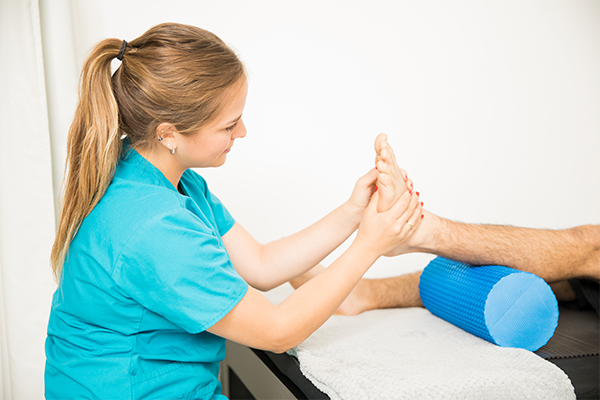
If your foot pain persists despite self-care measures or is accompanied by symptoms like severe swelling, inability to bear weight, or deformity, it is essential to consult a podiatrist. At Prime Foot Clinic, our experienced professionals can provide a thorough examination and create a tailored treatment plan suited to your specific needs.
Can Metatarsalgia Be Prevented?
Taking proactive measures can help reduce the risk of developing metatarsalgia:
- Choose well-fitting, supportive footwear.
- Avoid high-heeled shoes and flip-flops for prolonged use.
- Maintain a healthy weight to reduce pressure on the feet.
- Engage in low-impact activities like swimming or cycling, especially if you're prone to foot pain.
- Incorporate foot-strengthening exercises into your regular routine.
FAQ About Metatarsalgia
- What are the common diagnostic methods for metatarsalgia? A thorough physical examination, patient history, and X-rays may be conducted to rule out other conditions.
- Is surgery an option for metatarsalgia? Surgery is rarely required but may be considered for severe cases or if conservative treatments fail.
- Can I exercise with metatarsalgia? Low-impact exercises are recommended, but it’s best to avoid high-impact activities until your symptoms improve.
- Are there specific stretches I can do to relieve pain? Gentle stretching and calf raises can enhance flexibility and help alleviate symptoms.
- How long does recovery typically take? Recovery varies but can range from a few days to several weeks, depending on the severity and treatment approach.
In conclusion, understanding metatarsalgia is the first step to effectively managing foot pain. At Prime Foot Clinic in Ramsbottom, Prestwich, and Denton, we are dedicated to providing comprehensive foot care and tailored treatment plans to help you find relief. Don’t let foot pain hold you back—book your appointment today and take the first step towards pain-free living!