Can the Way You Walk Be Causing Pain All Over Your Body?
Can the Way You Walk Be Causing Pain All Over Your Body?
Walking might seem like a simple activity, but the way you walk—your gait—can significantly impact your overall health and comfort. At Prime Foot Clinic in Ramsbottom, we understand how gait issues can lead to widespread body pain, affecting not just your feet but your ankles, knees, hips, and lower back. In this article, we will explore how your walking patterns may be causing pain throughout your body and what you can do to address these issues.
What Causes Pain from Walking Disorders?
Several factors contribute to how your gait affects your body. Among the most common causes are:
- Foot Conditions: Conditions such as plantar fasciitis, flat feet (pes planus), or high arches (pes cavus) can alter your walking mechanics, leading to pain.
- Leg Length Discrepancy: Differences in leg length can cause uneven weight distribution, resulting in pain and discomfort in various body parts.
- Joint Problems: Arthritis in the feet, knees, or hips can affect how you walk, contributing to pain in those areas and beyond.
- Muscle Imbalances: Weakness or tightness in certain muscles, particularly in the hips, thighs, or calves, can change your gait and lead to pain in other areas.
How is Your Gait Related to Your Body’s Pain?
Your gait refers to the patterns of movement that occur as you walk. When you walk, your body uses a complex interplay of muscles, joints, and the skeletal system. Any disruption in this pattern can lead to:
- Overcompensation: Other parts of your body may work harder to compensate for an abnormal gait pattern, leading to fatigue and pain.
- Joint Stress: Incorrect walking can put excessive stress on your joints, particularly in your lower extremities, causing inflammation and discomfort.
- Myofascial Pain: Abnormal gait mechanics can lead to trigger points and muscle tightness in surrounding areas, leading to pain that may feel widespread.
Common Gait Patterns Leading to Pain
Several common gait patterns are associated with pain:
- Overpronation: This occurs when your foot rolls inward excessively during walking, which can lead to knee pain and hip issues.
- Supination: Insufficient inward rolling can hamper shock absorption, leading to ankle injuries and lower back pain.
- Shuffling: Often seen in individuals with certain neurological conditions, a shuffling gait can lead to increased stress on the feet and related structures.
How Can I Treat My Gait-Related Pain?
At Prime Foot Clinic, we recommend a combination of strategies to address gait-related pain:
- Footwear Assessment: Using the right shoes can dramatically improve your comfort and stability. We can help you find shoes that support your foot type.
- Physical Therapy: Engaging in targeted exercises can help strengthen weak muscles and stretch tight ones, promoting a healthier walking pattern.
- Custom Orthotics: These are shoe inserts designed to correct abnormal foot mechanics. They can help redistribute pressure and improve your gait.
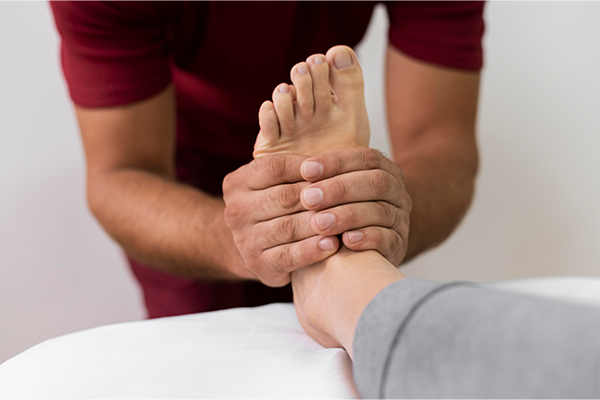
- Manual Therapy: Hands-on techniques can alleviate tension not only in the feet but also in the surrounding areas affected by your gait.
Can I Prevent Gait-Related Pain?
Preventing gait-related pain is possible through proactive measures. Here are some useful tips:
- Regular Foot Care: Taking care of your feet through proper hygiene, moisturizing, and regular checks can prevent conditions that may lead to altered gait.
- Stay Active: Engage in low-impact exercises like swimming or biking to maintain strength and flexibility.
- Mind Your Posture: Proper posture while walking can reduce strain on your body and lead to a more efficient gait.
Frequently Asked Questions (FAQ)
1. What are the signs that my gait is causing pain?
Common symptoms include recurrent foot, ankle, knee, hip or back pain, frequent injuries, and a feeling of imbalance or instability while walking.
2. How do I know if I need orthotics?
If you experience chronic pain related to foot or joint conditions, or if a podiatrist observes an abnormal gait, custom orthotics may be recommended.
3. Can changing my shoes help with pain?
Yes, wearing supportive and properly fitted footwear is crucial. It can help alleviate pain caused by improper gait mechanics.
4. Should I see a podiatrist for persistent pain?
Absolutely. A podiatrist can assess your gait, identify underlying conditions, and recommend appropriate treatments.
5. How long does treatment for gait issues usually take?
The length of treatment varies depending on the severity of the issue. Many patients see improvement within a few weeks, while others may require ongoing management.
If you're suffering from pain that you suspect may be linked to your gait, don’t hesitate to seek help. At Prime Foot Clinic in Ramsbottom, our team of experienced podiatrists is dedicated to helping you find relief. Book an appointment today to start your journey toward better foot health and comfort.