
What Is a Lisfranc Injury – And Why You Shouldn’t Ignore It
That foot sprain might be more serious than you think…
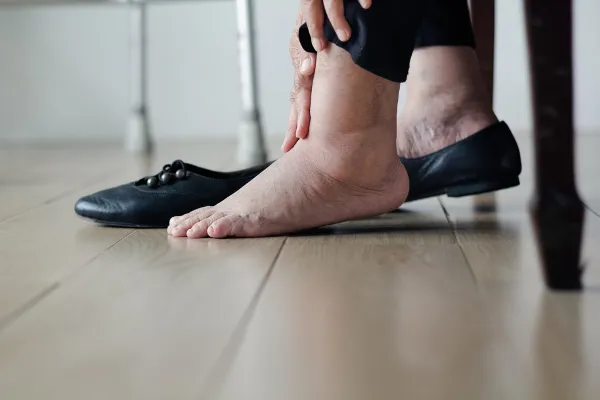
Have you twisted your foot, stepped off a curb awkwardly, or had a fall — and now your midfoot is swollen, bruised, or just not settling down?
You could be dealing with something called a Lisfranc injury. It’s a name many people haven’t heard before, but it’s more common (and serious) than you might think.
Let’s walk you through what it is, how it happens, and why it’s important to get the right care early.
What Is a Lisfranc Injury?
A Lisfranc injury affects the midfoot area, where the long bones of the foot (the metatarsals) connect to the smaller bones near the arch.
These joints and ligaments are crucial for:
Maintaining the shape of your arch
Supporting your weight during walking, running or standing
Allowing smooth movement of the foot
When these bones or ligaments are damaged — through a twist, fall, or trauma — the whole structure of the foot can become unstable. And because it’s deep in the middle of the foot, it’s not always easy to spot straight away.
How Does It Happen?
Lisfranc injuries can happen from:
Tripping or twisting your foot awkwardly
A fall from height or missing a step
A car accident or heavy object landing on your foot
Sports injuries, especially in football or rugby
Some people think they’ve just sprained their foot or bruised it, but if it’s a Lisfranc injury, it usually won’t improve without proper treatment.
Common Signs and Symptoms
Here’s what to watch out for:
Swelling and pain in the middle of the foot (top of the arch)
Bruising on the bottom of the foot (this is a big red flag)
Difficulty putting weight on the foot
Pain that gets worse when standing or walking
A feeling that something is “out of place” in your foot
If you’ve had an injury and notice bruising on the sole or can’t walk without pain — don’t wait. These are signs that need checking as soon as possible.
Why You Shouldn’t Ignore It
Lisfranc injuries are often missed at first, especially if there's no obvious broken bone on an X-ray. But if left untreated, they can lead to:
Chronic pain
Loss of foot stability
Collapsed arch
Early-onset arthritis
Difficulty walking long-term
Getting the right diagnosis early means a much better chance of full recovery — and avoiding long-term problems.
How Prime Foot Clinic Can Help
At Prime Foot Clinic, we take midfoot injuries seriously. If we suspect a Lisfranc injury, we’ll:
Ask about how your injury happened
Check for swelling, bruising and foot shape changes
Assess your walking and weight-bearing ability
Refer you for imaging tests if needed (such as X-rays, CT, or MRI)
Work with specialists if further care or surgery is needed
We can also provide protective footwear, orthotics, and a rehab plan to support healing and reduce strain on the foot.
Don’t Let Midfoot Pain Linger
If you’ve injured your foot and it’s not improving, it’s worth getting it checked — especially if there’s swelling, bruising, or trouble walking.
At Prime Foot Clinic, we’re here to help you get answers and the right care. Whether it’s a simple sprain or something more serious like a Lisfranc injury, we’ll guide you every step of the way.
Book your appointment today at one of our clinics in Ramsbottom, Prestwich, or Denton and let’s get you back on your feet – safely and comfortably.