Why Cushioning Matters for Your Feet
Introduction
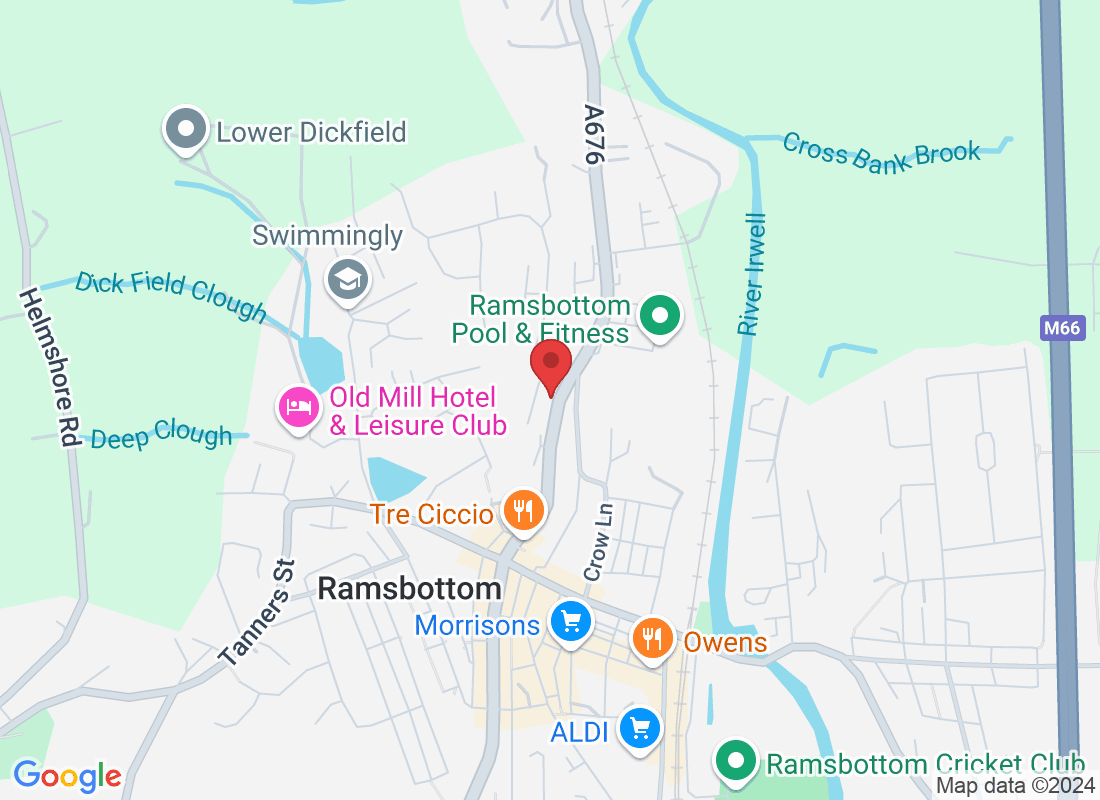
At Prime Foot Clinic, located in Ramsbottom, Prestwich, and Denton, we understand that proper footwear and foot cushioning are essential for maintaining healthy feet. Many patients don’t realize how crucial cushioning is for foot health, which can prevent various foot conditions and enhance overall well-being. This article explores why cushioning matters for your feet, the types of foot conditions related to inadequate cushioning, and how you can achieve optimal foot comfort.
What Causes Foot Pain?
Foot pain can arise from various issues, including biomechanical abnormalities, improper footwear, and injuries. Common causes include:
- Plantar Fasciitis: Inflammation of the tissue that connects the heel to the toes, often caused by inadequate arch support and cushioning.
- Metatarsalgia: Pain in the ball of the foot, frequently due to insufficient padding or excessively high heels.
- Morton’s Neuroma: A thickening of tissue around a nerve leading to the toes, exacerbated by narrow shoes lacking proper cushioning.
- Flat Feet: A condition where the arch collapses, potentially leading to pain due to inadequate shock absorption.
- Achilles Tendinitis: Inflammation of the Achilles tendon, often linked to a lack of cushioning and support during physical activities.
How Does Cushioning Help Your Feet?
Cushioning plays a vital role in maintaining foot health. Here are several ways cushioning benefits your feet:
- Shock Absorption: Proper cushioning can absorb impact forces, reducing stress on your joints and preventing injuries during activities such as walking, running, and standing.
- Pressure Distribution: Good cushioning helps distribute body weight evenly across the foot, decreasing localized pressure and preventing painful conditions.
- Increased Comfort: Cushioned footwear offers more comfort, which is particularly important for individuals with foot conditions like diabetes or arthritis, where foot sensitivity is heightened.
- Enhanced Stability: Adequate cushioning helps maintain stability during movement, reducing the risk of slips and falls.
What Types of Cushioning Are Best for Your Feet?
Selecting the appropriate type of cushioning is crucial. Here are some effective options:
- Foam Padding: Commonly used in athletic shoes, foam offers excellent shock absorption and conformability. Memory foam, in particular, contours to the foot's shape.
- Gel Inserts: These provide a high level of cushioning and are beneficial for alleviating pressure in specific areas of the foot.
- Air Cushioning: Found in many sports and running shoes, air-filled chambers offer superior shock absorption while remaining lightweight.
- Orthotic Insoles: Custom or over-the-counter orthotics provide additional support and cushioning tailored to specific foot conditions.
How Can I Treat Foot Pain Related to Insufficient Cushioning?
If you’re experiencing foot pain related to inadequate cushioning, consider the following treatment options:
- Upgrading Your Footwear: Invest in shoes designed with supportive cushioning and the right fit for your foot shape.
- Using Orthotic Devices: Consult with a podiatrist at Prime Foot Clinic for custom orthotics that offer personalized cushioning.
- Rest and Recovery: Allow your feet time to recover by reducing the duration of high-impact activities.
- Physical Therapy: Engage in exercises and stretches guided by a healthcare professional to strengthen the foot and improve flexibility.
- Medication: Over-the-counter pain relief medication can help manage inflammation and discomfort.
When Should I See a Podiatrist?
If foot pain persists despite making adjustments, it’s essential to seek professional help. At Prime Foot Clinic, we evaluate your symptoms, provide a thorough examination, and recommend an appropriate treatment plan tailored to your specific needs.
Frequently Asked Questions (FAQ)
1. What types of shoes provide the best cushioning?
Look for athletic shoes or walking shoes that feature ample padding, arch support, and materials like EVA foam, gel, or air cushioning.
2. Can certain foot conditions worsen without proper cushioning?
Yes, conditions like plantar fasciitis, metatarsalgia, and flat feet can worsen without appropriate cushioning and support, leading to increased pain and discomfort.
3. How often should I replace my shoes for optimal cushioning?
Generally, running or walking shoes should be replaced every 300-500 miles, or when you notice a decrease in cushioning or support.
4. Are custom orthotics worth the investment?
For many individuals, custom orthotics can significantly relieve pain and improve foot function, making them a worthwhile investment.
5. What exercises can improve foot health?
Exercises that strengthen the muscles of the foot, such as toe curls, arch lifts, and calf stretches, can improve foot health and reduce pain.
Conclusion
Cushioning is not just a luxury; it’s a necessity for maintaining foot health. At Prime Foot Clinic in Ramsbottom, Prestwich, and Denton, we prioritize your comfort and well-being by offering expert advice on footwear and foot health. If you’re experiencing foot pain or discomfort, don’t hesitate to book an appointment with us today to take the first step towards healthier feet.