Why Do My Feet Feel Better After Treatment?
Introduction
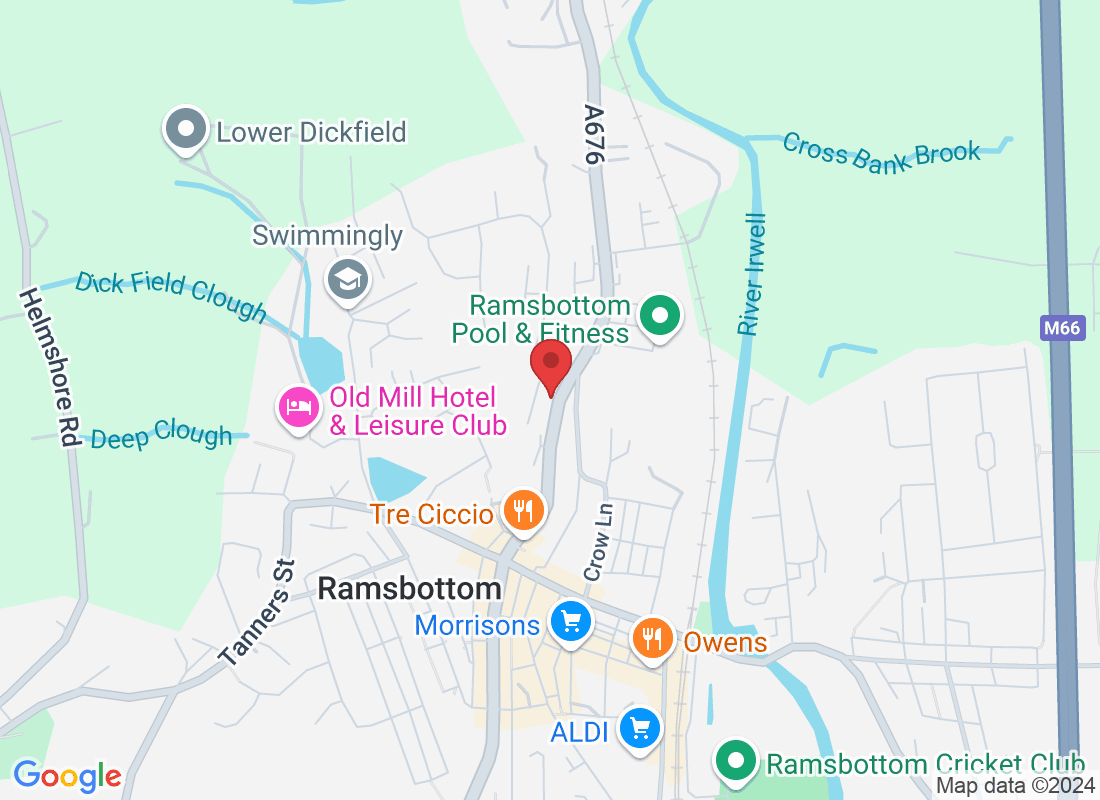
At Prime Foot Clinic, located in Ramsbottom, Prestwich, and Denton, we often hear from patients who marvel at how much better their feet feel after treatment. This improvement can be attributed to various factors, including the eradication of pain, correction of foot deformities, and the promotion of general foot health. Understanding why your feet feel better after treatment can empower you to take proactive measures for maintaining your foot health.
What Causes Foot Pain?
Foot pain can arise from numerous conditions, including:
- Plantar Fasciitis: Inflammation of the plantar fascia, causing heel pain.
- Achilles Tendinitis: Overuse injury leading to pain in the Achilles tendon.
- Neuromas: Thickening of nerve tissue in the ball of the foot, often causing sharp pain.
- Flat Feet: Insufficient arch support can lead to discomfort and fatigue.
- Sesamoiditis: Inflammation of the small bones in the ball of the foot.
These conditions can result from a variety of factors, including improper footwear, overuse, or underlying health issues such as diabetes or arthritis.
How Do Treatments Alleviate Pain?
There are several treatment methods that significantly improve foot conditions:
- Physical Therapy: Tailored exercises can strengthen and stretch muscles, improving mobility and reducing pain.
- Orthotics: Custom foot orthoses provide arch support, redistributing pressure evenly, which alleviates pain.
- Injections: Corticosteroid injections reduce inflammation and provide immediate relief from severe pain.
- Surgery: In severe cases, surgical intervention may be necessary to correct deformities or remove problematic tissues.
Following treatment, patients often report an immediate reduction in pain and enhanced mobility, which can drastically improve their quality of life.
What Anatomical Factors Contribute to Foot Health?
The feet contain complex structures that play crucial roles in our overall well-being. Key components include:
- Bones: The 26 bones in each foot provide structure.
- Muscles: Over 100 muscles, tendons, and ligaments work together to facilitate movement.
- Nerves: Nerves in the feet communicate sensory information, essential for balance and coordination.
- Blood Vessels: Proper circulation is vital for healing and preventing complications.
When any of these structures become compromised due to injury or disease, it can lead to discomfort and impairment. Effective treatment restores these elements to functional order, contributing to a significant improvement in foot health.
Can Regular Foot Care Prevent Problems?
Regular foot care is paramount in preventing conditions that lead to pain. Here are some effective strategies:
- Wear Proper Footwear: Choose shoes that fit well and provide adequate support.
- Practice Daily Hygiene: Keep your feet clean and dry to prevent infections.
- Maintain a Healthy Weight: Excess weight increases stress on your feet.
- Stay Active: Regular exercise strengthens the muscles in your feet and promotes blood circulation.
- Consult a Podiatrist: Regular check-ups can help catch foot issues before they escalate.
How Does Treatment Help with Recovery?
The recovery process is often multifaceted:
- Increased Blood Flow: Treatments enhance circulation, which promotes healing.
- Reduction of Inflammation: Many treatments target inflammation, reducing pain and improving function.
- Pain Modulation: Treatments can alter the way pain signals are processed in the body, providing relief.
- Restoration of Mobility: As pain decreases, mobility often improves, allowing for a return to normal activities.
These elements work synergistically to create an environment in which healing can occur effectively and efficiently.
FAQs
1. How long does it take to see improvement after treatment?
Improvement duration varies based on the condition and treatment type. Many patients report noticeable relief within a few days to weeks.
2. Are podiatric treatments painful?
While some procedures may cause discomfort, effective pain management strategies are implemented to minimize any discomfort during and after treatments.
3. Can I treat foot pain at home?
Home remedies such as rest, ice, compression, and elevation can alleviate mild foot pain, but it’s essential to consult with a podiatrist for persistent issues.
4. How can I prevent foot conditions from recurring?
Regular foot care, maintaining a healthy lifestyle, and wearing appropriate footwear can significantly reduce the risk of recurrent foot conditions.
5. When should I see a podiatrist?
It is advisable to consult a podiatrist if you experience persistent foot pain, swelling, or discomfort that interferes with daily activities.
Conclusion
Understanding why your feet feel better after treatment at Prime Foot Clinic in Ramsbottom, Prestwich, or Denton involves recognizing the complexity of foot anatomy and the benefits of effective treatment strategies. Whether through custom orthotics, physical therapy, or other interventions, the goal is to restore your feet to optimal health. For personalized care and to discuss your foot health needs, we invite you to book an appointment with our experienced team today.