Why Do My Feet Feel More Sensitive Than Usual?
Introduction
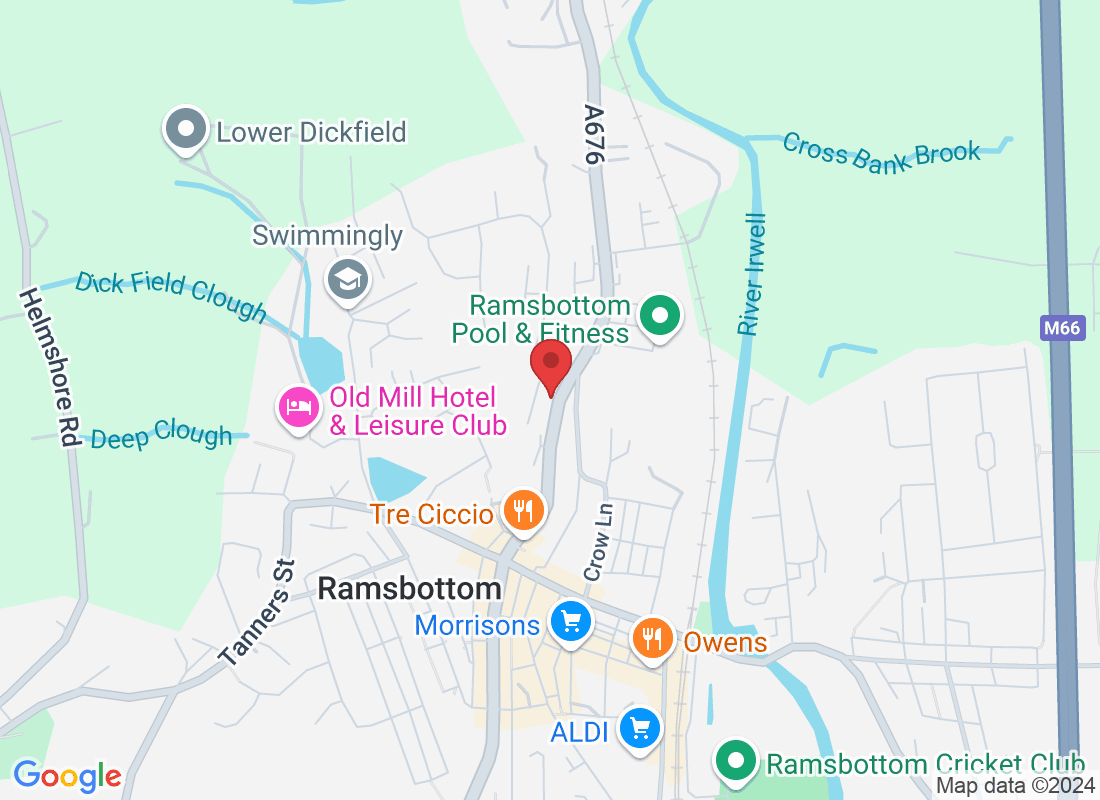
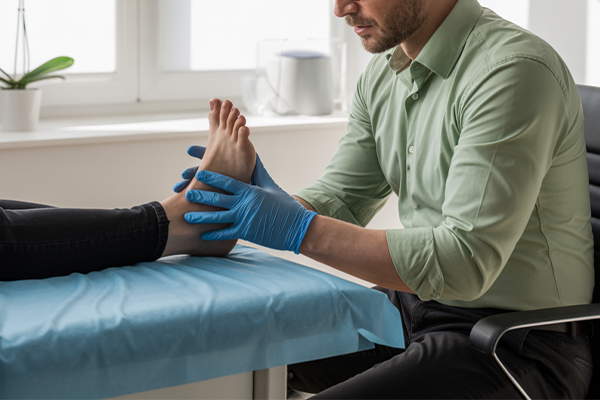
If you've been noticing an increased sensitivity in your feet, you’re not alone. Many people experience discomfort, tingling, or heightened sensitivity for various reasons. At Prime Foot Clinic in Ramsbottom, Prestwich, and Denton, we understand how these symptoms can affect your daily life. It's important to identify the underlying causes of foot sensitivity to ensure effective treatment. In this article, we will explore the potential causes, symptoms, and treatments related to foot sensitivity.
What causes foot sensitivity?
Foot sensitivity can stem from various medical conditions, environmental factors, or lifestyle choices. Understanding the root cause is crucial for effective management. Here are some common reasons:
- Neuropathy: Peripheral neuropathy, often caused by conditions like diabetes, leads to nerve damage, resulting in tingling and heightened sensitivity in the feet.
- Plantar Fasciitis: This common condition involves inflammation of the plantar fascia, causing pain and sensitivity typically felt in the heel and arch of the foot.
- Morton's Neuroma: This involves thickening of the tissue around the nerves between the toes, leading to sharp, burning pain and sensitivity.
- Peripheral Artery Disease (PAD): Reduced blood flow due to narrowed arteries can lead to sensitivity, often accompanied by pain during activity.
- Skin Conditions: Eczema, athlete's foot, or dermatitis can cause the skin on your feet to become sensitive and irritated.
How can I identify if my sensitivity is serious?
If you are experiencing foot sensitivity, it's vital to monitor your symptoms. Here are some signs that may indicate a more serious condition:
- Persistent Pain: If the sensitivity persists despite conservative treatment, seek professional advice.
- Numbness: Numbness in addition to sensitivity may indicate nerve damage.
- Changes in Skin Color: Any discoloration or changes in temperature may suggest circulation issues.
- Worsening Symptoms: If your symptoms worsen over time, it’s essential to consult a podiatrist.
What treatments are available for foot sensitivity?
Identifying the root cause of your foot sensitivity allows us to tailor an effective treatment plan. Common treatment options include:
- Physical Therapy: Targeted exercises can strengthen muscles, improve mobility, and reduce sensitivity.
- Orthotics: Custom foot orthotics can relieve pressure on sensitive areas and correct gait issues.
- Medications: Over-the-counter pain relievers or prescription medications may be recommended to manage symptoms.
- Footwear Recommendations: Wearing appropriate shoes that provide proper support and cushioning can significantly reduce sensitivity.
- Topical Treatments: Creams containing capsaicin or lidocaine may help alleviate localized sensitivity.
How can I prevent foot sensitivity?
Preventing sensitivity in the feet involves a combination of healthy lifestyle choices, proper footwear, and routine foot care. Here are some strategies to consider:
- Maintain a Healthy Weight: Excess weight can put increased pressure on your feet.
- Choose the Right Footwear: Invest in well-fitted shoes that provide adequate support and cushioning.
- Practice Good Foot Hygiene: Keeping your feet clean and dry can prevent fungal infections and skin conditions.
- Stretch Regularly: Regular stretching can improve flexibility and reduce stress on the feet.
- Manage Underlying Conditions: If you have conditions like diabetes or PAD, effective management can help prevent complications.
FAQs about foot sensitivity
1. Can foot sensitivity be a sign of diabetes?
Yes, increased sensitivity in the feet can be a symptom of diabetic neuropathy, which is nerve damage caused by uncontrolled blood sugar levels.
2. Is foot sensitivity treatable?
Yes, treatment options range from physical therapy to custom orthotics, depending on the underlying cause.
3. When should I see a podiatrist for foot sensitivity?
Consult a podiatrist if your symptoms persist, worsen, or are accompanied by other concerning signs like numbness or color changes.
4. Can poor footwear cause foot sensitivity?
Absolutely. Ill-fitting shoes can lead to excessive pressure on sensitive areas, causing pain and discomfort.
5. What role does nutrition play in foot health?
A balanced diet rich in vitamins and minerals can contribute to better nerve health and overall foot wellness.
Conclusion
If you’re experiencing greater sensitivity in your feet, understanding the potential causes and treatments is essential. At Prime Foot Clinic in Ramsbottom, Prestwich, and Denton, our experienced team is dedicated to helping you regain your comfort and mobility. Don’t let foot sensitivity hinder your daily activities. Book an appointment today for a comprehensive foot assessment and personalized care plan.