Why Do My Feet Feel Tight in Certain Shoes?
Understanding Foot Tightness in Certain Shoes
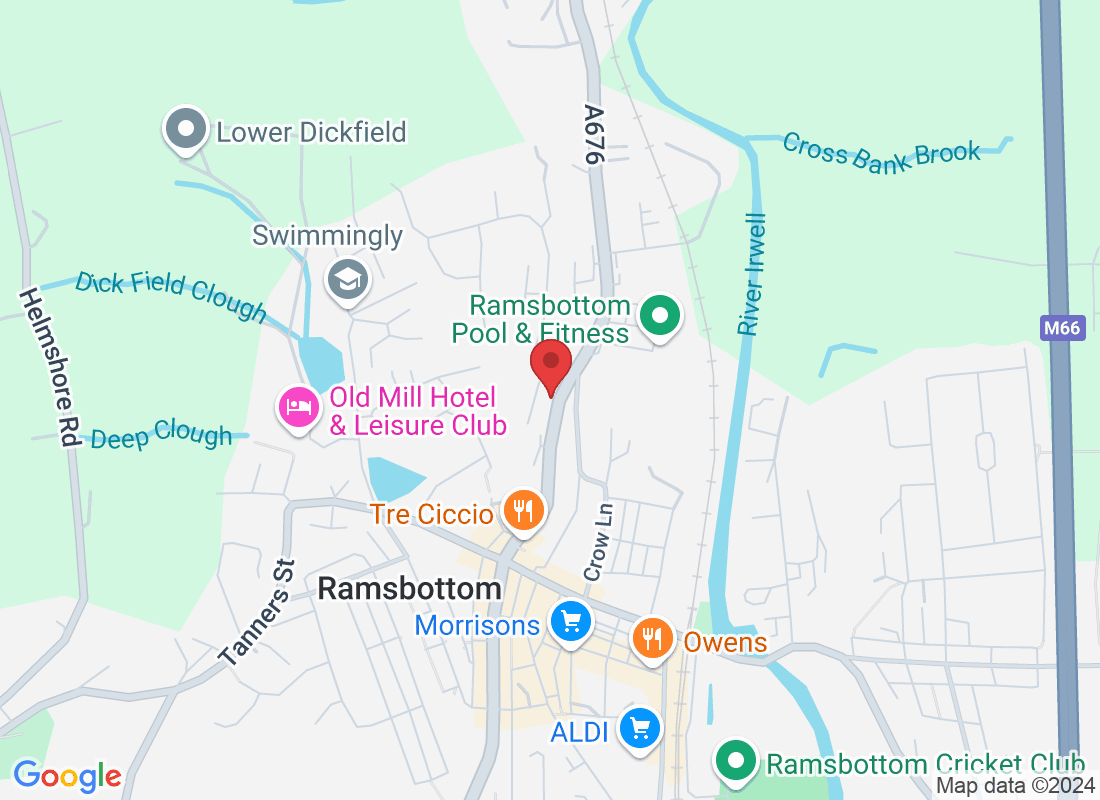
If you've ever slipped on a pair of shoes only to feel an uncomfortable tightness around your feet, you're not alone. At Prime Foot Clinic in Ramsbottom, Prestwich, and Denton, we often encounter patients who report discomfort in their footwear. This blog will explore the reasons behind why your feet may feel tight in certain shoes and what can be done to alleviate this common issue.
What Causes Tightness in Shoes?
Tightness in shoes can stem from several factors, including shoe construction, foot anatomy, and underlying medical conditions. Understanding these causes is essential for effective treatment.
1. Shoe Design and Fit
- Style: Certain shoes, such as high heels, dress shoes, or athletic sneakers, may not be designed with adequate space or support for all foot types.
- Size: Wearing shoes that are too small or narrow can restrict blood flow and compress the foot, leading to feelings of tightness.
- Material: Rigid materials that lack flexibility can cause discomfort, especially if worn for extended periods.
2. Foot Anatomy and Structure
Your foot's unique anatomy plays a significant role in how shoes fit and feel. Conditions such as:
- Flat Feet: Individuals with flat feet may experience tightness due to the lack of arch support when wearing non-orthotic shoes.
- High Arches: High arches can lead to over-pronation, resulting in discomfort and tightness.
- Wide Feet: People with wider feet may find many standard shoes too constrictive, leading to a tight sensation.
3. Medical Conditions
Various foot conditions can contribute to a feeling of tightness. These may include:
- Plantar Fasciitis: Inflammation of the plantar fascia can cause discomfort that might be exacerbated by ill-fitting shoes.
- Morton's Neuroma: This condition often presents as a feeling of tightness or pain in the ball of the foot.
- Peripheral Neuropathy: Nerve damage can alter foot sensation, leading to discomfort in certain footwear.
How Can I Treat Tightness in My Shoes?
Addressing foot tightness involves both selecting the right footwear and seeking medical advice if necessary. Here are some practical tips:
Shoe Selection
- Get Fitted Properly: Visit a professional to ensure you are wearing the correct shoe size and style for your foot shape.
- Choose Flexible Materials: Look for shoes made from soft, breathable materials that allow for natural movement.
- Arch Support: Opt for shoes that provide adequate arch support, or consider using custom orthotics.
Foot Care Practices
- Stretching: Regular foot and calf stretches can improve flexibility and relieve tightness.
- Rest and Ice: If your feet feel sore after wearing tight shoes, rest and apply ice to reduce inflammation.
- Consult a Professional: If tightness persists, make an appointment to see a podiatrist for a comprehensive evaluation.
When Should I See a Podiatrist?
If you experience severe or chronic tightness in your shoes accompanied by pain, swelling, or other concerning symptoms, it's essential to seek professional medical advice. The team at Prime Foot Clinic is well-equipped to diagnose and treat a variety of foot conditions, ensuring you regain comfort in your footwear.
FAQ
1. Can tight shoes cause long-term foot problems?
Yes, consistently wearing shoes that are too tight can lead to issues such as bunions, corns, and other deformities over time.
2. How can I stretch out my shoes at home?
You can stretch your shoes at home using a shoe stretcher or by inserting thick socks and wearing them indoors for short periods.
3. Are expensive shoes always better for my feet?
Not necessarily. The fit and design matter more than the price. Quality shoes that fit well can be found at various price points.
4. What type of shoes are best for flat feet?
Individuals with flat feet often benefit from shoes with arch support and stability features, such as motion control running shoes or custom orthotics.
5. How often should I replace my shoes?
It's generally recommended to replace shoes every 300-500 miles for running shoes or when they start showing signs of wear or loss of support.
Conclusion
Tightness in shoes can be uncomfortable and may signal an underlying issue that needs to be addressed. At Prime Foot Clinic in Ramsbottom, Prestwich, and Denton, we are dedicated to helping you understand your foot health and find the right solutions. If you're experiencing persistent discomfort, don’t hesitate to book an appointment with us today. Schedule your visit now and take the first step towards happier, healthier feet!