Why Your First Steps Hurt the Most – and How to Fix It
Introduction
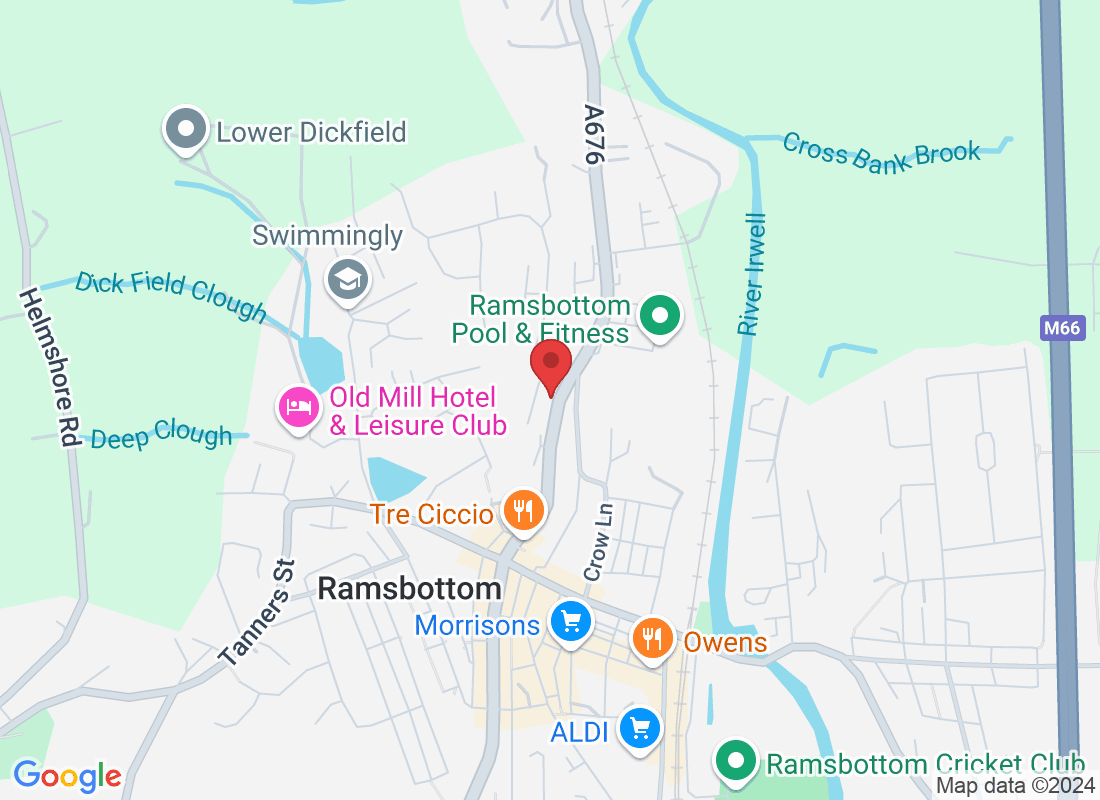
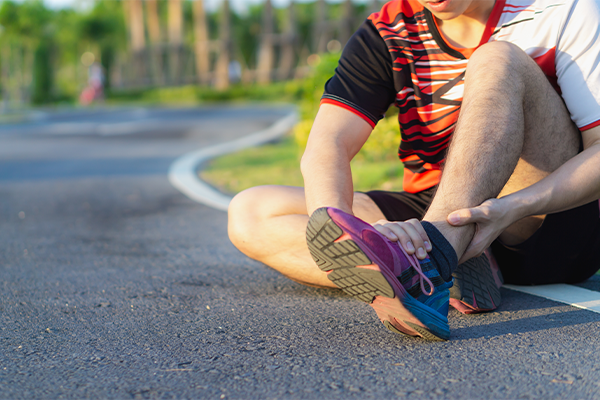
If you experience pain during your first steps of the day or after a long period of rest, you’re not alone. Many people in Ramsbottom, Prestwich, and Denton experience similar discomfort. At Prime Foot Clinic, we understand that the first steps can often be the most painful. In this blog post, we'll explore the causes of this discomfort and provide effective solutions to help you start your day on the right foot.
What Causes Painful First Steps?
The pain you feel during your initial steps can be attributed to several foot conditions, most commonly:
- Plantar Fasciitis: This condition involves inflammation of the plantar fascia, a thick band of tissue running along the bottom of your foot. The pain is typically worst in the morning or after sitting for extended periods.
- Achilles Tendinitis: Inflammation of the Achilles tendon can lead to pain at the back of the heel, making the first steps painful, especially after prolonged periods of inactivity.
- Flat Feet or Fallen Arches: People with flat feet may experience undue stress on their ligaments and tendons, resulting in discomfort when starting to walk.
- Diabetic Neuropathy: Nerve damage caused by diabetes can lead to sharp or burning pain in the feet, which may be more pronounced after rest.
- Metatarsalgia: This condition causes pain in the ball of the foot, which can exacerbate discomfort when beginning to walk.
How Can I Treat Painful First Steps?
Understanding the root cause of your foot pain is crucial for effective treatment. Here are several strategies and treatments that can help alleviate discomfort:
1. Rest and Ice Therapy
For acute injuries, reducing activity and applying ice to the affected area can significantly reduce inflammation and pain. Aim for 15-20 minutes of ice therapy a few times a day.
2. Stretching Exercises
Incorporating stretching exercises for the calf muscles and plantar fascia can lead to increased flexibility and reduced pain:
- Calf stretches against a wall.
- Sitting and pulling your toes towards your shin.
3. Footwear Modifications
Wearing supportive shoes with proper arch support and cushioning is essential to reduce strain on your feet. Avoid flat shoes or high heels, which can exacerbate pain. Custom orthotics may also be beneficial.
4. Physical Therapy
A physical therapist can design a personalized regimen to target your specific foot issue, improving strength and flexibility.
5. Medication
Over-the-counter pain relievers, such as ibuprofen or naproxen, can help manage inflammation and pain. However, always consult a healthcare provider before starting any medication.
When Should I See a Podiatrist?
If self-care practices do not alleviate your discomfort within a few weeks, it may be time to consult a specialist. At Prime Foot Clinic, our expert team is equipped to diagnose and treat a wide range of podiatric conditions. You should seek professional evaluation if you experience:
- Severe pain that disrupts daily activities.
- Swelling or bruising in the foot or ankle.
- Persistent pain that does not improve with treatment.
- Changes in the appearance of your foot, toes, or nails.
Frequently Asked Questions
1. Why does my foot hurt after sitting for a long time?
Your foot muscles and ligaments may stiffen due to prolonged inactivity, leading to discomfort when first moving. Conditions like plantar fasciitis are particularly susceptible to this phenomenon.
2. Are there any specific stretches to alleviate morning foot pain?
Yes! Calf stretches, toe stretches, and rolling the foot on a tennis ball can be particularly effective at relieving morning foot pain.
3. Can foot pain be a sign of a more serious condition?
Yes, persistent foot pain can indicate underlying issues such as arthritis, gout, or neuropathic conditions. It’s essential to get a proper evaluation to rule out serious conditions.
4. How long does it usually take to recover from plantar fasciitis?
Recovery can vary from several weeks to several months, depending on the severity of the condition and the treatment approach.
5. What types of footwear should I avoid?
Footwear that lacks arch support, like flip-flops, or shoes with high heels should generally be avoided. Instead, look for shoes that provide cushioning and proper support for your foot structure.
Conclusion
Experiencing pain with your first steps can be frustrating, but understanding the causes and treatments can significantly improve your situation. If you’re located in Ramsbottom, Prestwich, or Denton and are struggling with painful first steps, the team at Prime Foot Clinic is ready to help. Our experienced podiatrists will work with you to identify the root cause of your pain and develop a tailored treatment plan that suits your needs.
Don’t let foot pain hold you back from enjoying your daily activities. Book your appointment today, and take the first step toward pain-free walking.