Why Support Matters More Than You Think
Understanding the Importance of Foot Support
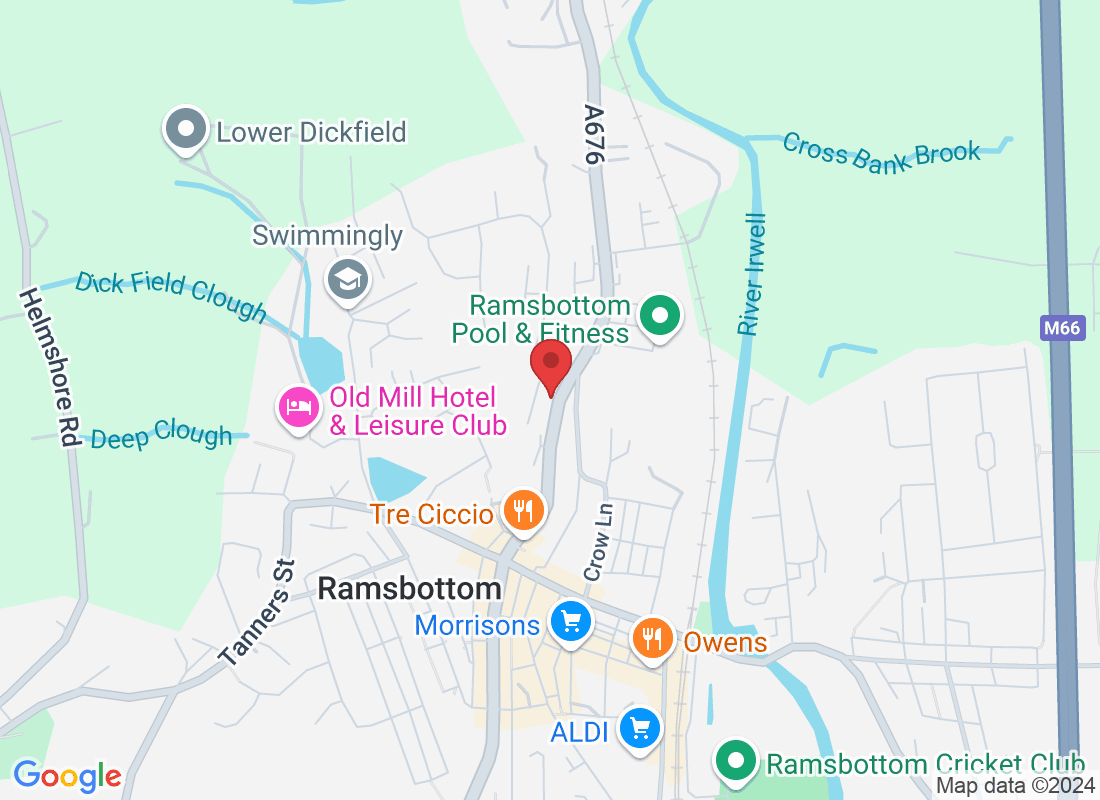
Your feet are the foundation of your body, providing support and balance for everyday activities. At Prime Foot Clinic, located in Ramsbottom, Prestwich, and Denton, we emphasize the vital role that adequate foot support plays in not only overall foot health but also in your entire musculoskeletal system. From arch support to cushioning, understanding these components can guide you toward healthier feet.
What Causes Poor Foot Support?
Various factors contribute to inadequate foot support, including:
- Flat feet: This condition, known as fallen arches, can lead to an imbalance in foot mechanics.
- High arches: Excessive arch formation can diminish the foot's natural shock-absorbing capability.
- Improper footwear: Shoes that lack adequate support can exacerbate existing issues or lead to new problems.
- Foot injuries: Conditions such as plantar fasciitis or Achilles tendinitis can significantly impact foot support.
How Can Poor Support Affect Your Health?
Inadequate foot support can lead to a cascade of problems not just limited to the feet but affecting other areas of the body. Some potential consequences include:
- Pain: Insufficient support can result in chronic pain conditions like plantar fasciitis, bunions, and metatarsalgia.
- Imbalance: Poor foot mechanics can contribute to instability, leading to falls or other injuries.
- Postural issues: Your feet play a critical role in maintaining overall body alignment; poor support can disrupt this balance.
- Joint problems: Knees, hips, and lower back may endure excess stress due to compensatory movements from poor foot support.
How Can I Treat Foot Support Issues?
Depending on the underlying cause of your support issues, various treatment options are available:
- Custom orthotics: Designed to accommodate your unique foot structure, custom orthotics can offer the necessary support and alignment.
- Physical therapy: A qualified physical therapist can develop a tailored exercise program to strengthen foot and ankle muscles.
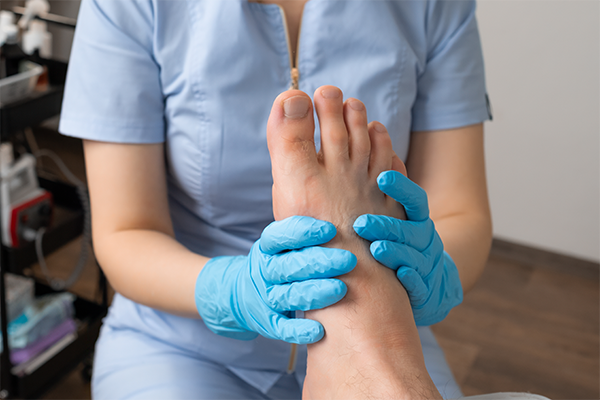
- Footwear evaluation: At Prime Foot Clinic, we can assess your current shoes and recommend options that provide optimal support.
- Surgery: In more severe cases, surgical intervention may be necessary to correct anatomical deformities affecting foot support.
What Are the Signs I Need Better Foot Support?
Recognizing early signs of inadequate foot support can help you take proactive measures. Look out for:
- Persistent foot pain, especially after prolonged standing or walking.
- Changes in your walking pattern or recurring injuries.
- Swelling or discomfort in the feet after activities.
- Visible deformities such as bunions or hammertoes.
How Can I Maintain Good Foot Health?
Taking steps to incorporate proper foot care into your routine can significantly improve foot health. Consider the following tips:
- Choose supportive footwear: Look for shoes that provide arch support and cushioning.
- Stay active: Engage in low-impact exercises to strengthen foot muscles.
- Manage your weight: Carrying excess weight can increase stress on your feet.
- Regular check-ups: Schedule periodic appointments at Prime Foot Clinic for professional evaluations and preventive care.
Conclusion
Foot support matters more than you may think, impacting not just your feet but your overall health and mobility. By recognizing potential issues and exploring treatment options, you can take significant strides toward healthier feet. At Prime Foot Clinic in Ramsbottom, Prestwich, and Denton, our team is committed to helping you find the right solutions tailored to your individual needs.
If you're experiencing foot pain or discomfort, don’t hesitate to reach out for expert care. Book an appointment with us today and take the first step toward improved foot health!
FAQ
1. What types of conditions can benefit from better foot support?
Common conditions that benefit from enhanced foot support include plantar fasciitis, flat feet, high arches, and other biomechanical issues.
2. How often should I replace my orthotics?
Typically, orthotics should be evaluated and potentially replaced every 1 to 2 years, depending on wear and changes in your foot structure.
3. Can wrong shoes cause foot issues?
Yes, shoes lacking adequate support can lead to various foot conditions, exacerbating pain and discomfort.
4. Are there exercises to improve foot support?
Yes, exercises that strengthen the intrinsic muscles of the feet, like toe curls and heel raises, can enhance support.
5. When should I seek professional help for foot pain?
If you experience persistent or worsening foot pain, professional evaluation at Prime Foot Clinic is recommended to determine appropriate treatment.